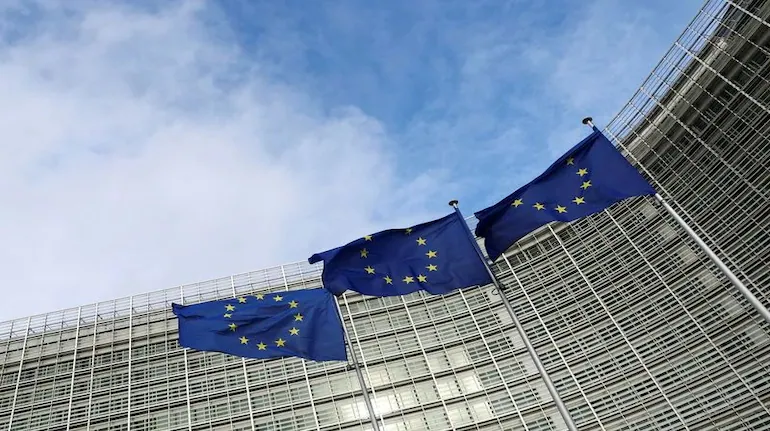
The European Union is expected to approve additional sanctions against Russia on Monday, targeting around 150 entities and 50 banks, French Minister for European Affairs Benjamin Haddad said on Thursday. France has proposed most of the entities included in the latest measures, as European governments seek to maintain economic pressure on Moscow over its war against Ukraine.
Speaking to French television channel LCI, Haddad said the new restrictions would form part of the EU’s continuing effort to increase pressure on Russia while supporting Ukraine. The announcement comes amid growing tensions between Paris and Moscow, following Russia’s decision to ban two French journalists and two lawmakers from entering its territory.
The proposed sanctions would add to the EU’s existing restrictions on Russian financial institutions, individuals and organisations. The measures are expected to focus on entities considered connected to Russia’s financial system and activities that help Moscow sustain its war effort.
France Says It Proposed Most of the Additional Entities
Haddad confirmed that France had played a leading role in preparing the latest list of targets. He told LCI that the EU would approve measures against 150 additional entities and 50 banks on Monday, adding that France had proposed the bulk of the entities.
“We will continue to put economic pressure on Russia and of course support Ukraine,” Haddad said.
The announcement signals Paris’s continued support for using economic restrictions as a tool to limit Russia’s financial and strategic capacity. France has remained among the European countries advocating sustained pressure on Moscow since Russia launched its full-scale invasion of Ukraine in February 2022.
EU sanctions are adopted through decisions involving the bloc’s member states. Once approved, restrictions can include asset freezes, travel bans and prohibitions on providing funds or economic resources to listed individuals and organisations. Measures targeting banks can also restrict their access to European financial markets and services.
Reports on the latest negotiations indicate that EU representatives have already reached an agreement on a new set of listings. The measures are expected to cover targets connected with Russia’s financial system, its so-called shadow fleet and foreign information manipulation activities. The formal approval by EU foreign ministers is expected on Monday.
Why the EU Continues to Target Russian Banks
Financial restrictions have been a central part of the European Union’s response to Russia’s invasion of Ukraine. The bloc has progressively expanded its sanctions framework, seeking to restrict Moscow’s access to international finance, technology and other resources that could support its military operations.
Russian banks are particularly important targets because financial institutions facilitate payments, trade, investment and the movement of money across borders. Restrictions on additional banks can make it more difficult for targeted organisations to conduct transactions involving European companies and financial institutions.
However, the impact of sanctions depends on their scope, enforcement and the ability of targeted organisations to find alternative channels. Russia has continued trading with countries outside the EU and has developed alternative financial arrangements to reduce the effects of Western restrictions.
The EU has also sought to address the circumvention of existing measures. This includes targeting businesses and intermediaries suspected of helping Russia obtain restricted goods or maintain financial links despite sanctions.
The reference to 50 banks in Haddad’s announcement suggests that financial restrictions will be an important part of the latest measures. The precise institutions and entities covered will become clearer when the EU formally adopts and publishes the listings.
Russia Bans Two French Journalists and Two Lawmakers
Haddad’s comments came a day after Russia announced an entry ban against four French nationals: Le Monde journalist Ariane Chemin, freelance journalist and former Moscow correspondent Paul Gogo, and lawmakers Sacha Houlié and Arthur Delaporte.
The Russian Foreign Ministry announced the restrictions on Wednesday, November 11. Its spokesperson, Maria Zakharova, said the four had been targeted because of their alleged involvement in what Moscow described as the harassment of Russian media figure Xenia Fedorova and their calls for her expulsion from France.
The decision was presented by Russian authorities as a response to France’s action against Fedorova earlier in the year. The ban prevents the four French nationals from entering Russia, although none was reported to be in the country when the announcement was made.
Haddad condemned the decision, describing it as an attempt at intimidation. He said the French government would not be deterred and defended the work of the journalists and lawmakers.
“This is intimidation. France will not be intimidated,” he told LCI.
Haddad also said the two lawmakers were particularly involved in efforts to address foreign interference. His remarks reflected France’s position that the Russian entry restrictions were connected to the work and public activities of the individuals targeted.
Who Are the Four French Nationals Targeted by Moscow?
Ariane Chemin is a senior journalist at the French newspaper Le Monde. Her reporting on Fedorova and her activities in French media circles was among the work cited in coverage of the dispute.
Paul Gogo is a freelance journalist who previously worked as a correspondent in Russia. He has contributed to several French-language media organisations and has reported on developments involving Russia and its relations with other countries.
Sacha Houlié is a French lawmaker who has been involved in discussions about foreign interference and national security. He had publicly called for action against Fedorova, arguing that her activities raised concerns about foreign influence in France.
Arthur Delaporte, another French parliamentarian, had also raised the Fedorova issue with the French government. He questioned her activities and called attention to concerns about the influence of Russian-linked messaging in French public life.
Russia has not publicly detailed every statement or action by the four individuals that it considers grounds for the ban. Its Foreign Ministry instead linked the restrictions to their alleged participation in the campaign against Fedorova and their support for her expulsion.
France’s Expulsion of Xenia Fedorova Triggered the Dispute
The diplomatic dispute centres on Xenia Fedorova, the former head of RT France who later became a prominent figure on French television channel CNews and associated media outlets Europe 1 and JDNews. The outlets belong to the media group associated with French businessman Vincent Bolloré.
French authorities accused Fedorova of spreading Russian misinformation. In July 2026, France took action against her, including measures relating to her expulsion and the freezing of her assets.
French Foreign Minister Jean-Noël Barrot addressed the latest Russian decision in a post on X. He said Moscow’s presentation of the entry ban as retaliation for France’s action against Fedorova confirmed her ties to Russian authorities.
Barrot’s statement reflected the French government’s assessment of Fedorova’s connections. Moscow, however, has portrayed the French measures against her as politically motivated and has criticised what it considers the targeting of a media figure.
The dispute illustrates how disagreements over alleged foreign interference and media activity have become part of the wider diplomatic tensions between France and Russia.
EU Sanctions and the Wider Russia-Ukraine Conflict
The European Union has imposed successive rounds of sanctions against Russia since its annexation of Crimea in 2014 and expanded those measures substantially after the full-scale invasion of Ukraine in February 2022.
The restrictions cover a broad range of areas, including finance, energy, trade, transport, technology and defence-related supplies. The EU has also introduced measures against individuals and organisations accused of supporting Russia’s war effort or participating in destabilising activities abroad.
Sanctions are intended to raise the economic and operational costs of Russia’s military campaign. They also seek to limit access to technologies, components and financial services that could be used to support military production or other strategic activities.
At the same time, the restrictions have created challenges for European businesses and governments, particularly in sectors that previously relied on Russian energy supplies or trade. EU member states have had to balance economic considerations with their stated objective of supporting Ukraine.
The bloc’s approach has increasingly focused not only on directly sanctioning Russian organisations but also on identifying networks that help restricted goods, money and services reach the country through third parties.
What Happens Next?
EU foreign ministers are expected to formally approve the latest sanctions on Monday. The final details, including the names of the targeted banks and other entities, will determine the precise scope of the new restrictions.
The measures would add another layer to the EU’s existing sanctions framework rather than automatically represent a complete replacement of earlier restrictions. Their practical effect will depend on how the listings are implemented and whether companies and financial institutions comply with the new requirements.
For France, the latest announcement also carries a diplomatic dimension. Paris is seeking to maintain pressure on Moscow while objecting to Russian actions against French journalists and elected representatives.
The entry bans have added to an already strained relationship between the two countries. France has described the restrictions as intimidation, while Russia has presented them as retaliation for the treatment of Fedorova.
With the EU preparing another round of sanctions, the developments underline how economic restrictions and diplomatic disputes continue to shape Europe’s response to Russia’s war against Ukraine. Monday’s approval will provide a clearer picture of the organisations and financial institutions facing the bloc’s latest measures.
For breaking news and live news updates, like us on Facebook or follow us on Twitter and Instagram. Read more on Latest World on thefoxdaily.com.



COMMENTS 0