- The Story Behind Killhouse: When Reality Feels Unreal
- From Documentary to Full-Scale Thriller
- What Makes Killhouse Different from Traditional War Films
- The Technology Angle: War as a Race for Innovation
- Filming in a War Zone: A Production Like No Other
- A Moral Question at the Core
- Audience Reaction: Patriotism Meets Realism
- A Unique Production Model
- The Bigger Picture: Why Killhouse Matters Globally
- Prediction: The Future of War Cinema
- Conclusion: A Film That Captures War as It Is Becoming
war films have always tried to answer one question: what does Conflict feel like on the ground? But in 2026, that ground has changed. Battles are no longer fought only with boots, bullets, and tanks they are increasingly shaped by algorithms, remote pilots, and flying machines.
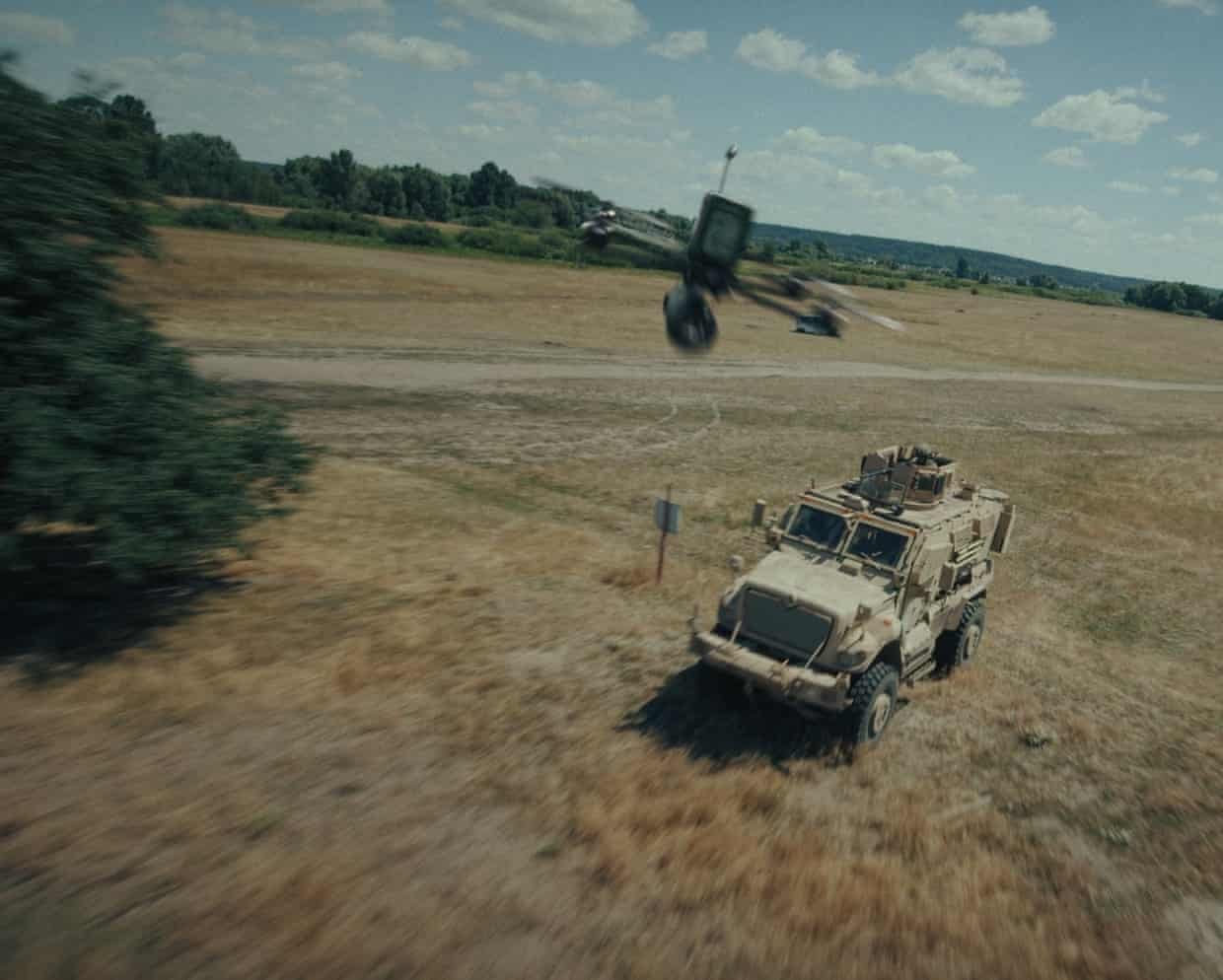
Enter Killhouse, a Ukrainian action thriller that is rapidly gaining attention as the “Saving Private Ryan for the drone age.” Built around a real-life Rescue Operation, the film offers something rare in modern cinema: a RAW, technologically grounded portrayal of how war is actually fought today.
More than just a movie, Killhouse represents a shift in storytelling one where war is no longer distant or abstract, but immediate, data-driven, and deeply human at the same time.
The Story Behind Killhouse: When Reality Feels Unreal
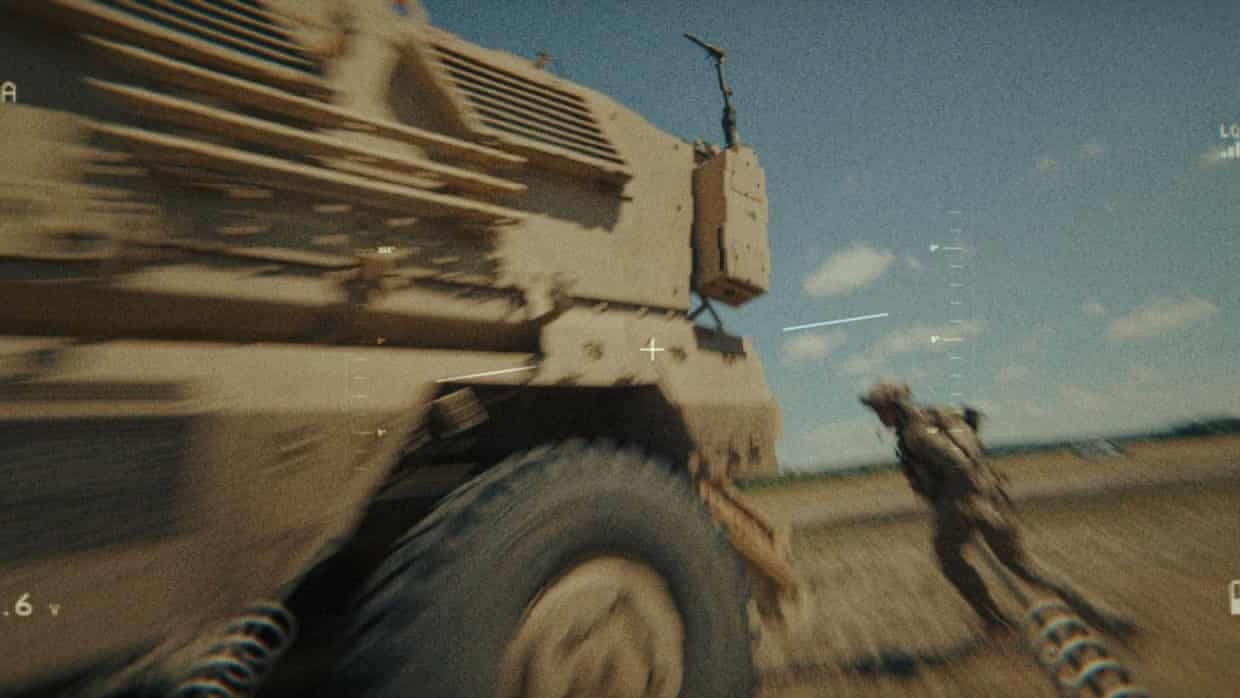
At the heart of the film lies a true story that almost sounds fictional.
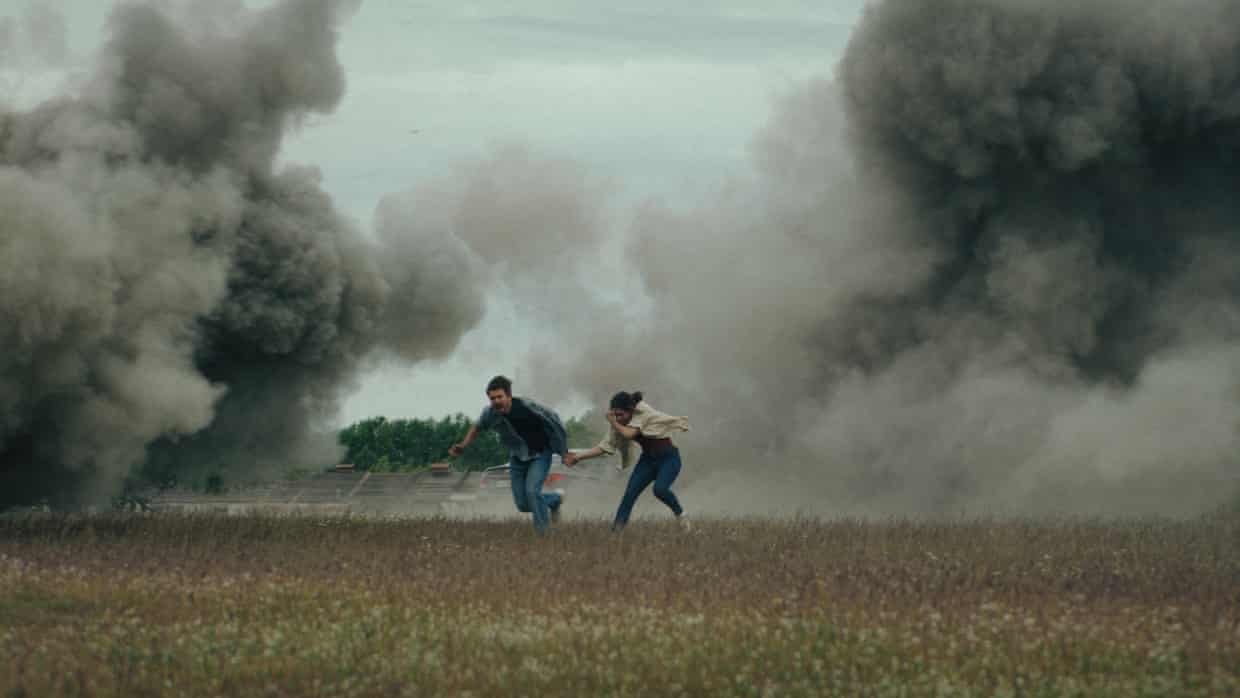
A civilian couple, attempting to rescue relatives in a conflict zone, came under heavy attack. The man was severely injured. What followed was not a traditional Military evacuation but something far more emblematic of modern warfare.
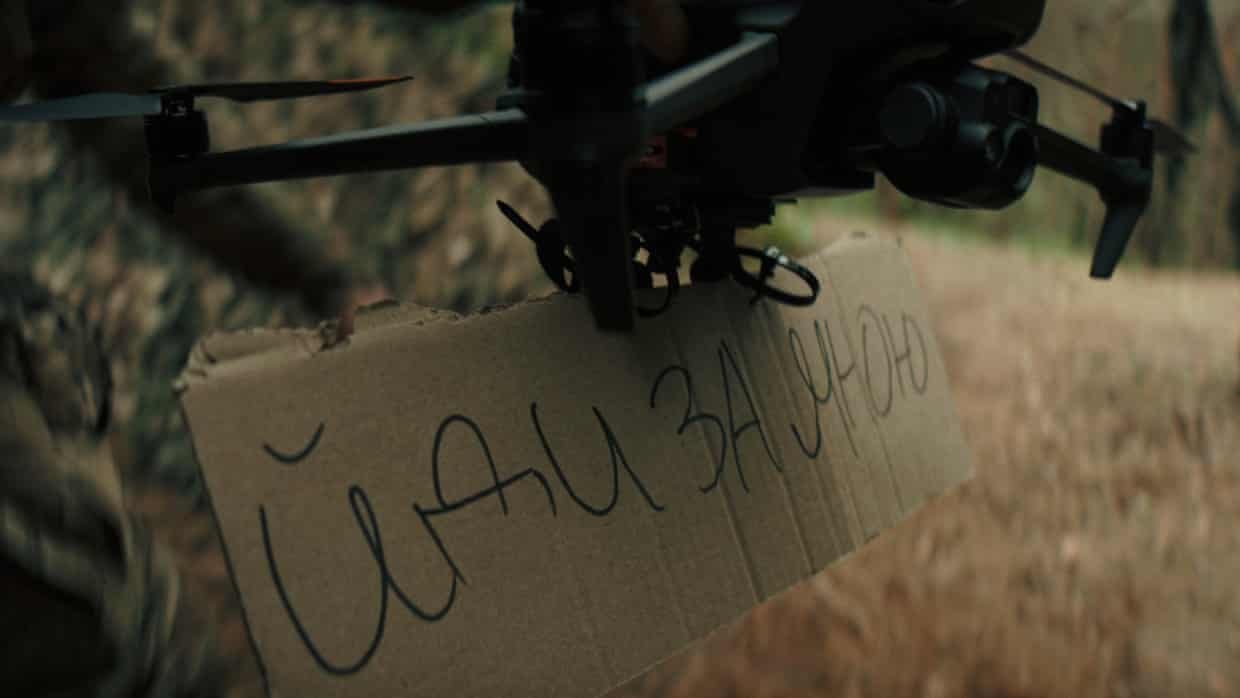
A Ukrainian unit deployed a drone not to strike, but to guide. Attached to it was a simple message: “Follow me.”
The woman followed the drone through a battlefield filled with mines and active fire. Against overwhelming odds, she survived. Even more astonishingly, her unconscious husband left for dead also lived.
This moment became the emotional and conceptual backbone of Killhouse, illustrating a powerful idea: Technology in war is not just about destruction it can also be about rescue.
From Documentary to Full-Scale Thriller
Director Liubomyr Levytskyi initially explored this story through a short documentary. The reaction was immediate and intense.
Audiences weren’t just moved they were stunned.
Why? Because the story highlighted something people are still trying to process: drones are no longer futuristic tools they are everyday instruments of survival and strategy.
This realization pushed the project into a larger cinematic format. The result is a two-and-a-half-hour film that blends:
- Real-world events
- Fictional narrative expansion
- Actual battlefield footage
The line between reality and cinema is intentionally blurred because in modern war, that line barely exists.
What Makes Killhouse Different from Traditional War Films
To understand why Killhouse stands out, it helps to compare it with classic war cinema.
| Traditional War Films | Killhouse Approach |
|---|---|
| Focus on infantry combat | Focus on drone-led operations |
| Clear frontlines | Blurred, dynamic battle zones |
| Heroism through direct combat | Heroism through coordination and technology |
| Linear storytelling | Multi-layered, hybrid narrative |
In short, Killhouse doesn’t just update the genre it redefines it.
The Technology Angle: War as a Race for Innovation
One of the film’s most compelling elements is its focus on the technology behind modern warfare.
From reconnaissance drones to coordinated strike systems, the film portrays war as an evolving ecosystem where Innovation can determine survival.
This reflects a real-world shift:
- Drone warfare is becoming central to military strategy
- Remote operations are reducing direct human exposure
- Information and speed now matter as much as firepower
In many ways, Killhouse is less about combat and more about control of information and timing.
Filming in a War Zone: A Production Like No Other
Unlike most war films shot on controlled sets, Killhouse was filmed in regions directly affected by conflict.
This brought an unusual level of realism but also real danger.
- Filming was repeatedly paused due to air raid alerts
- Cast and crew took shelter in bunkers between scenes
- Active military personnel participated in production
For the actors, this wasn’t just performance it was immersion.
Some even transitioned from acting roles to real-life military involvement after filming, highlighting how deeply intertwined art and reality have become in this context.
A Moral Question at the Core
Like the film it is often compared to, Saving Private Ryan, Killhouse revolves around a difficult ethical dilemma:
Is it worth risking many lives to save one?
In this case, the narrative centers around rescuing a kidnapped child adding emotional weight to an already intense scenario.
This question resonates beyond the film. In modern warfare, where decisions are often made remotely and rapidly, the value of individual lives can become abstract.
Killhouse brings that abstraction back into focus.
Audience Reaction: Patriotism Meets Realism
Early responses from Ukrainian audiences suggest the film has struck a chord.
Viewers have noted:
- The authenticity of real-life figures appearing on screen
- The emotional impact of blending fact and fiction
- A strong sense of national identity and resilience
While some moments lean toward dramatic storytelling, the overall reception highlights a key strength: the film feels real because much of it is.
A Unique Production Model
Another noteworthy aspect of Killhouse is how it was made.
- Produced without direct state funding
- Budget of approximately $1.1 million
- Supported by military and intelligence agencies for equipment and logistics
This hybrid model independent filmmaking supported by institutional collaboration may signal a new trend in how war stories are told.
The Bigger Picture: Why Killhouse Matters Globally
Beyond its narrative and production, Killhouse represents a broader shift in how the world understands conflict.
Key insights include:
- War is becoming increasingly technological
- Frontlines are less visible but more complex
- Civilian experiences are central to modern conflict narratives
This makes the film relevant not just as Entertainment, but as a lens through which audiences can better understand current global dynamics.
Prediction: The Future of War Cinema
If Killhouse succeeds internationally, it could influence an entire generation of war films.
We may begin to see:
- More stories centered on cyber and drone warfare
- Greater use of real footage in fictional narratives
- A shift away from traditional battlefield heroism toward strategic and technological storytelling
In that sense, Killhouse is not just reflecting change it may accelerate it.
Conclusion: A Film That Captures War as It Is Becoming
Killhouse is more than a war movie it is a snapshot of a turning point.
It captures a moment where warfare is evolving faster than our ability to fully understand it, where technology reshapes not only how battles are fought but how stories are told.
In the drone age, war is no longer just seen through the eyes of soldiers it is seen through the lens of machines.
By grounding its narrative in real events and embracing the complexity of modern conflict, Killhouse offers something rare: a war story that feels both immediate and ahead of its time.
And in doing so, it challenges audiences to rethink not just cinema but the very nature of war itself.
For breaking news and live news updates, like us on Facebook or follow us on Twitter and Instagram. Read more on Latest World on thefoxdaily.com.






COMMENTS 0