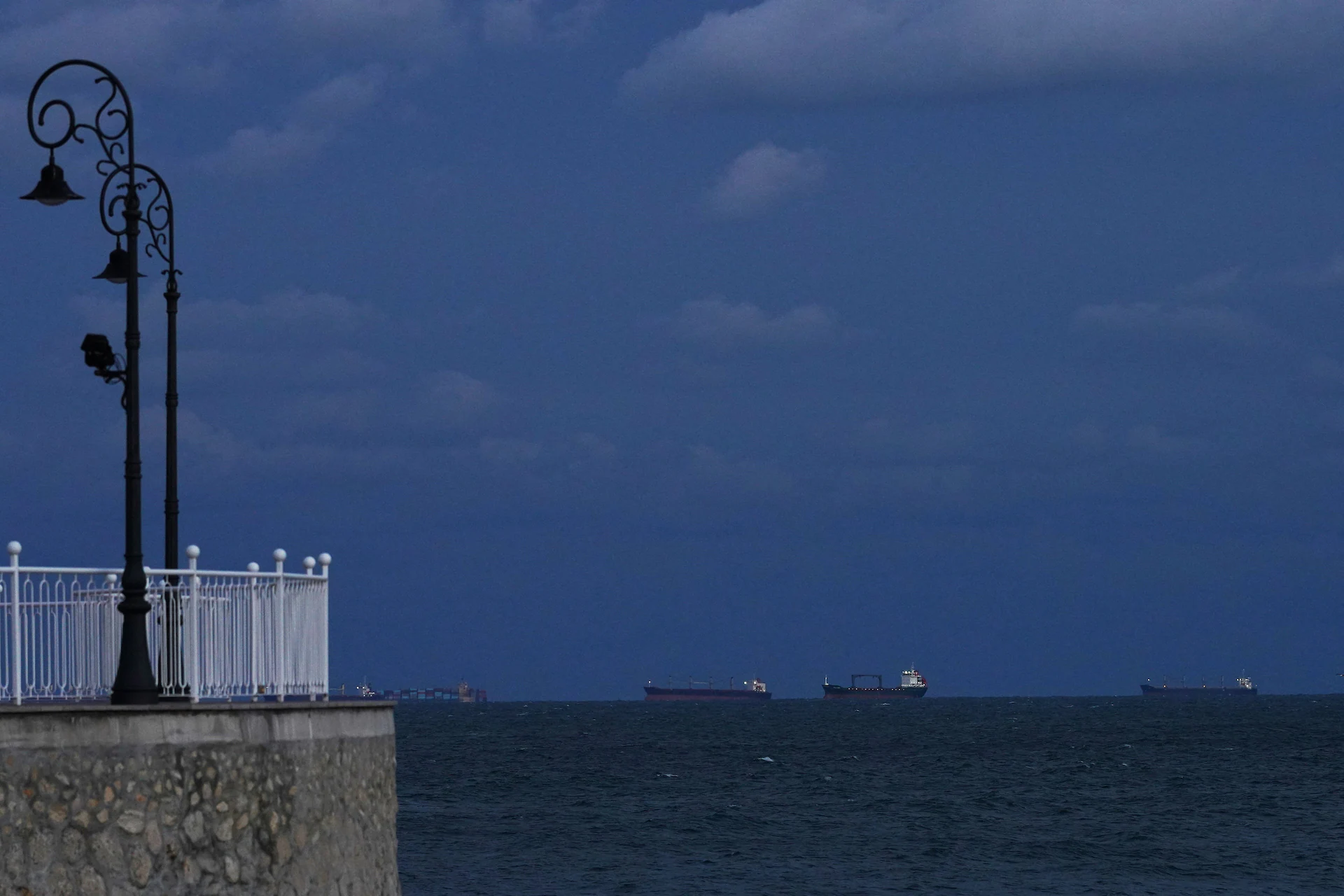
Romania will accelerate the development of maritime surveillance systems and equipment to counter naval mines and drones in the Black Sea following a series of attacks on commercial vessels near its coast. The decision was announced on Thursday, October 22, by Romania’s top defence council, which warned that the incidents pose growing risks to Maritime Security, freedom of navigation and critical energy infrastructure.
At least seven cargo ships have been hit near the coasts of NATO members Romania and Bulgaria over the past two weeks, with around 30 sailors reported dead or missing. The incidents have heightened concerns about the safety of commercial shipping and the potential consequences of the conflict involving Russia and Ukraine spreading beyond Ukrainian territory.
Romania’s response will focus on improving its ability to monitor maritime activity, counter naval mines, intercept drones and respond to unauthorised incursions into its airspace and territorial waters. Bucharest also plans to strengthen coordination with NATO allies Bulgaria and Turkey, while seeking additional measures to reinforce the alliance’s eastern flank.
Romania Steps Up Black Sea Security After Drone Attacks
Romania’s top defence council said the recent attacks on commercial vessels were a direct consequence of Russia’s aggression extending beyond Ukraine’s borders. The council identified threats to freedom of navigation and critical energy projects in the Black Sea as a security crisis for Romania.
The attacks have raised concerns about the risks facing commercial shipping routes in waters shared by NATO members and located close to the ongoing Russia-Ukraine conflict. The reported damage to at least seven cargo ships in two weeks has also highlighted the vulnerability of vessels operating in the region.
According to the council, the situation requires concrete measures to protect human lives, maintain free access to national ports and safeguard energy facilities located within Romania’s exclusive economic zone.
The planned response will involve accelerating the development of surveillance capabilities and equipment designed to counter maritime threats. Romanian authorities also intend to improve their ability to intervene when drones illegally enter national airspace or territorial waters.
The council’s announcement signals an increased focus on operational readiness as Romania seeks to address the risks posed by unmanned aerial systems, naval mines and attacks affecting commercial vessels. The measures are intended to strengthen the country’s capacity to identify potential threats and respond more effectively to incidents in the Black Sea.
Romanian F-16 Jets Shoot Down Russian Drones
The security concerns have been reinforced by recent drone incidents over Romanian territorial waters. Romanian F-16 fighter jet pilots shot down two Russian drones on Saturday, according to the reported account of the incident.
The interceptions highlight the challenges facing Romania as it monitors airspace close to the conflict zone. Drone activity presents risks not only to military installations but also to civilian infrastructure, maritime traffic and other assets near the coast.
Romania’s defence council said the country would accelerate measures to counter drones that illegally breach its national airspace and waters. The planned improvements are intended to strengthen surveillance and make the response to such incursions more efficient.
The council also said authorities would conduct exercises to improve the effectiveness of their operational response. These exercises are expected to help relevant agencies practise coordination and respond to emerging threats in the maritime and air domains.
The announcement did not provide a detailed timeline for the acquisition of additional equipment or specify the systems Romania intends to deploy. It nevertheless established counter-drone capabilities as one of the priorities in the country’s response to the recent attacks.
NATO to Reinforce Black Sea Monitoring
The developments come as NATO moves to strengthen its surveillance presence in the Black Sea region. On Tuesday, the alliance said it would send additional maritime patrol aircraft, radar systems and drones to the area.
The planned deployment is aimed at improving monitoring capabilities amid heightened concerns over attacks on commercial shipping and other security threats near NATO territory. Maritime patrol aircraft and radar systems can support the detection and tracking of activity across a wide area, while drones can provide additional surveillance capabilities.
Romania’s plans to expand its own maritime monitoring and counter-drone equipment are consistent with the wider focus on improving situational awareness in the region. The Romanian government is also seeking stronger coordination with NATO members that share the Black Sea, particularly Bulgaria and Turkey.
The defence council said members had examined ways to intensify coordination within NATO. These discussions included strengthening deterrence and defence along the alliance’s eastern flank and identifying additional measures to respond to threats in the Black Sea region.
The emphasis on coordination reflects the regional nature of the security challenges. Attacks on commercial vessels, drone incursions and risks to maritime infrastructure can affect several countries and require information-sharing and coordinated responses among allies.
Protecting Commercial Shipping and Freedom of Navigation
The attacks on cargo ships have brought the safety of commercial shipping into sharper focus. With at least seven vessels reportedly hit in the past two weeks near Romania and Bulgaria, the incidents have raised concerns about the security of routes used to transport goods through the Black Sea.
The reported toll of around 30 sailors dead or missing underscores the human consequences of the attacks. Romania’s defence council has identified the protection of human life and continued access to national ports as central objectives of its response.
Freedom of navigation is also a key concern for Romania, given the importance of the Black Sea to regional trade and economic activity. Any sustained threat to commercial vessels could create additional security challenges for countries that depend on access to maritime routes.
Romania’s planned measures include improved maritime surveillance and equipment to counter naval mines. These capabilities are intended to help authorities identify hazards and strengthen their ability to respond to threats that could affect vessels operating in the region.
The council also highlighted the need to protect critical energy projects within Romania’s exclusive economic zone. Energy infrastructure in the Black Sea is strategically important, and threats to such facilities could have implications beyond the immediate maritime environment.
Romania Plans Closer Cooperation With Bulgaria and Turkey
Romania will seek to improve cooperation with fellow NATO members Bulgaria and Turkey, both of which share the Black Sea. The planned cooperation forms part of Bucharest’s broader effort to strengthen regional security and improve responses to maritime threats.
The three countries have a shared interest in maintaining safe navigation and addressing risks to commercial vessels and critical infrastructure. Romania’s defence council said it would also pursue greater coordination within NATO to strengthen the alliance’s deterrence and defence posture on its eastern flank.
The council’s discussions included identifying new measures to respond to threats in the Black Sea region. However, the announcement did not specify the exact form of any additional joint operations or establish a detailed timetable for implementing the proposed measures.
Romania’s plans combine national capability development with closer cooperation among regional allies. Improved surveillance, counter-drone systems, mine-countermeasure equipment and operational exercises are intended to strengthen the country’s response to incidents at sea and in the air.
Black Sea Security Becomes a Growing NATO Concern
The latest attacks have reinforced concerns about the security implications of the Russia-Ukraine War for countries beyond the immediate conflict zone. Romania and Bulgaria, as NATO members bordering the Black Sea, face potential risks from incidents affecting commercial vessels and activity near their territorial waters.
Romania’s defence council described the attacks as a direct consequence of Russian aggression extending beyond Ukraine’s borders. The characterisation reflects Bucharest’s assessment of the regional security situation as it prepares to expand its monitoring and response capabilities.
NATO’s planned deployment of additional maritime patrol aircraft, radar systems and drones, alongside Romania’s proposed capability upgrades, points to a greater emphasis on surveillance and deterrence in the region.
For Romania, the immediate priorities are to protect human lives, preserve access to national ports, safeguard energy infrastructure and improve responses to drones and naval mines. The government also intends to practise operational responses and work more closely with neighbouring NATO allies.
The Romanian defence council has not provided a complete implementation schedule for the planned upgrades. However, its announcement makes clear that Bucharest intends to accelerate the development of Black Sea security capabilities in response to the recent attacks on commercial shipping.
For breaking news and live news updates, like us on Facebook or follow us on Twitter and Instagram. Read more on Latest World on thefoxdaily.com.





COMMENTS 0