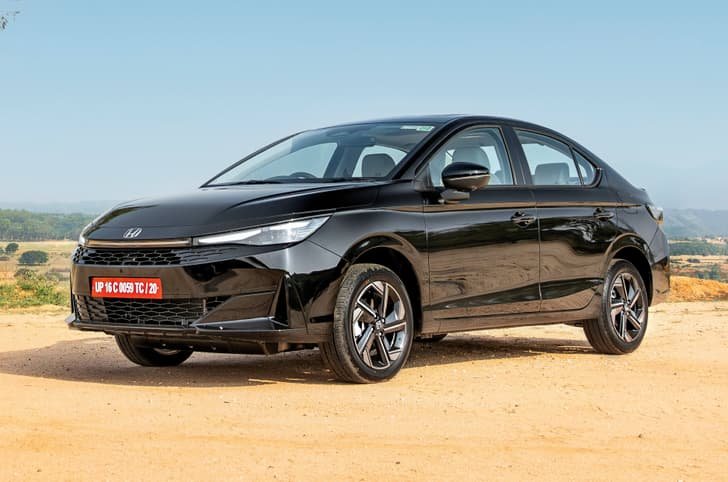
The 2026 Honda City Hybrid arrives at a time when SUVs dominate the Indian automobile market. Yet despite shifting consumer preferences, the City remains one of the country’s most respected sedan nameplates. Known for reliability, comfort, and strong resale value, the City has built a loyal customer base over more than two decades.
For 2026, Honda has refreshed the City with a sportier design, ventilated front seats, a larger touchscreen infotainment system, and a 360-degree camera. While these additions help keep the sedan competitive, the biggest attraction remains unchanged: its advanced strong-hybrid powertrain.
But does the updated model justify its higher asking price? And is it still one of the best premium sedans available in India? Here’s a detailed look at the two biggest reasons to buy the 2026 Honda City Hybrid and two reasons why some buyers may want to consider alternatives.
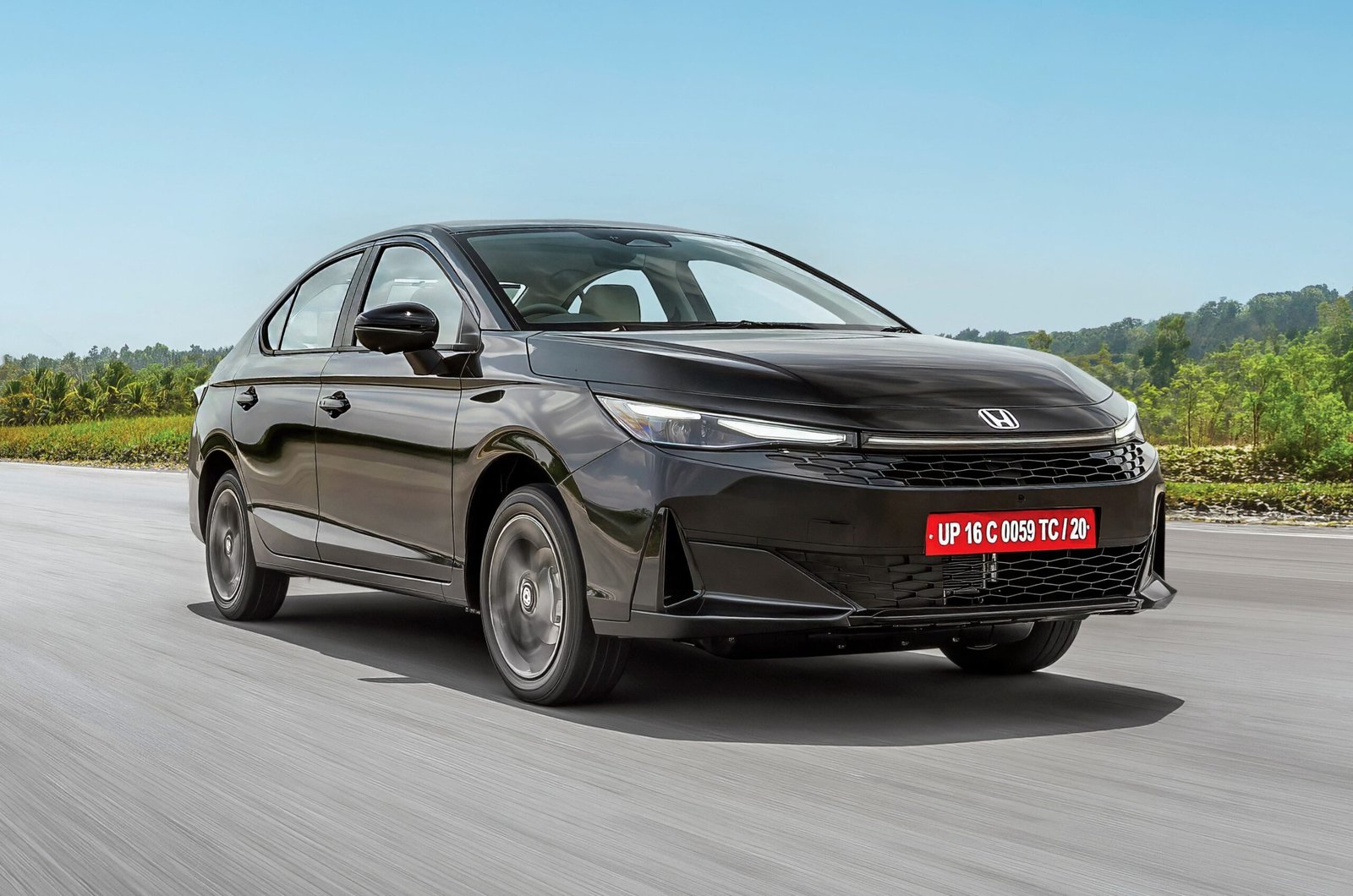
2026 Honda City Hybrid at a Glance
| Specification | Details |
|---|---|
| Engine | 1.5-litre Petrol + Dual Electric Motors |
| Power Output | 126 hp |
| Torque | 253 Nm |
| Transmission | e-CVT Hybrid System |
| Fuel Efficiency | Around 20 kmpl in real-world driving |
| Key Features | Ventilated Seats, 360 Camera, 10.1-inch Touchscreen |
| Price | Rs 21 lakh (Ex-showroom) |
Reason #1: The Strong Hybrid Powertrain Remains the Segment Benchmark
Efficiency Meets Everyday Performance
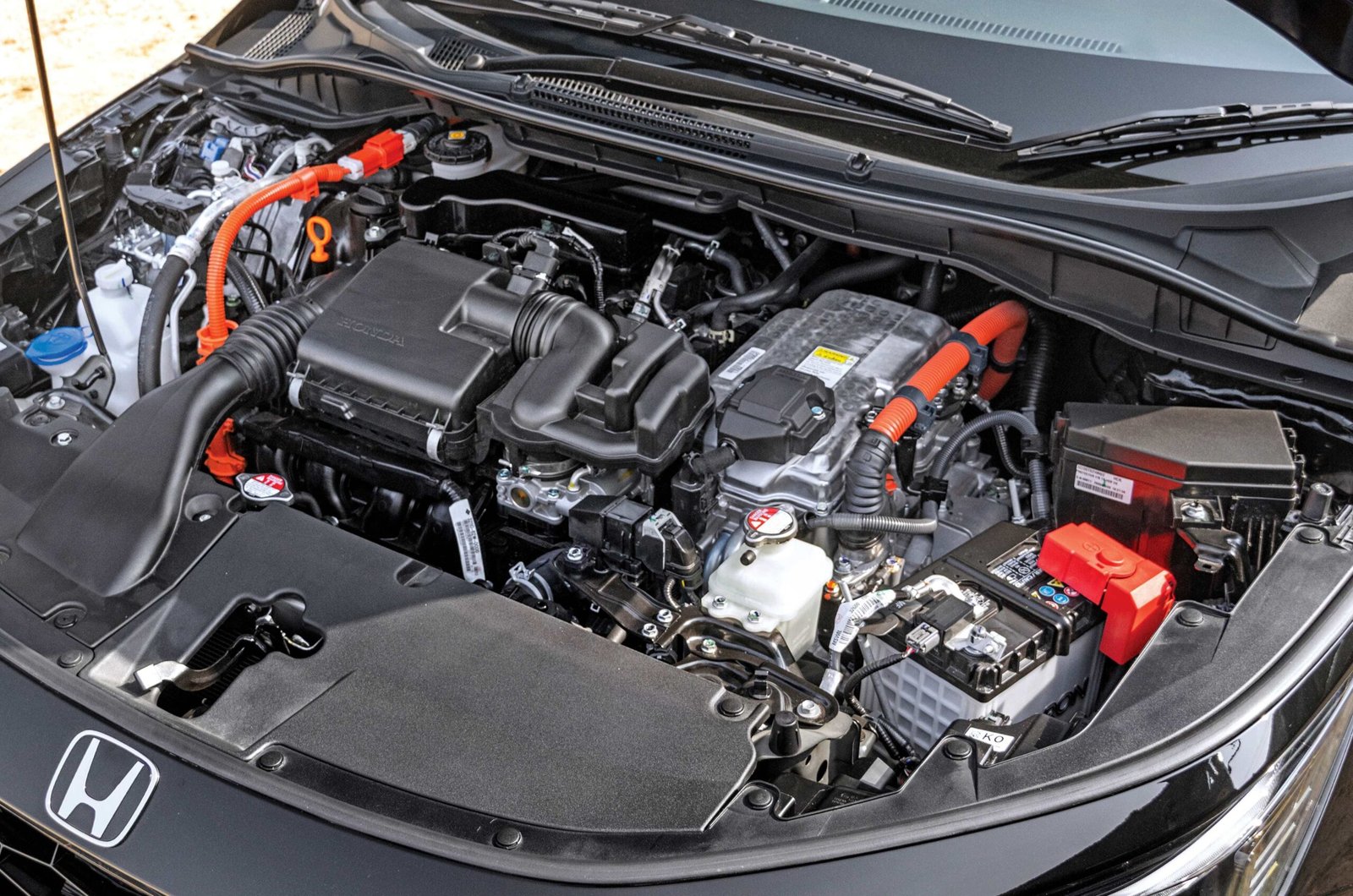
The biggest reason to consider the 2026 Honda City Hybrid is undoubtedly its powertrain. In a market where most rivals still rely on conventional petrol engines, Honda’s strong-hybrid Technology delivers a unique ownership experience.
The system combines a naturally aspirated 1.5-litre petrol engine with two electric motors, producing a combined output of 126 hp and 253 Nm of torque. Unlike mild-hybrid systems, the City Hybrid can operate purely on electric power in many urban driving situations.
What makes this setup particularly impressive is its intelligence. The vehicle constantly switches between three driving modes:
- Pure EV Mode
- Hybrid Mode
- Engine Drive Mode
The transitions happen seamlessly, often without the driver noticing. This creates a remarkably refined driving experience, especially in city traffic where electric power handles much of the workload.
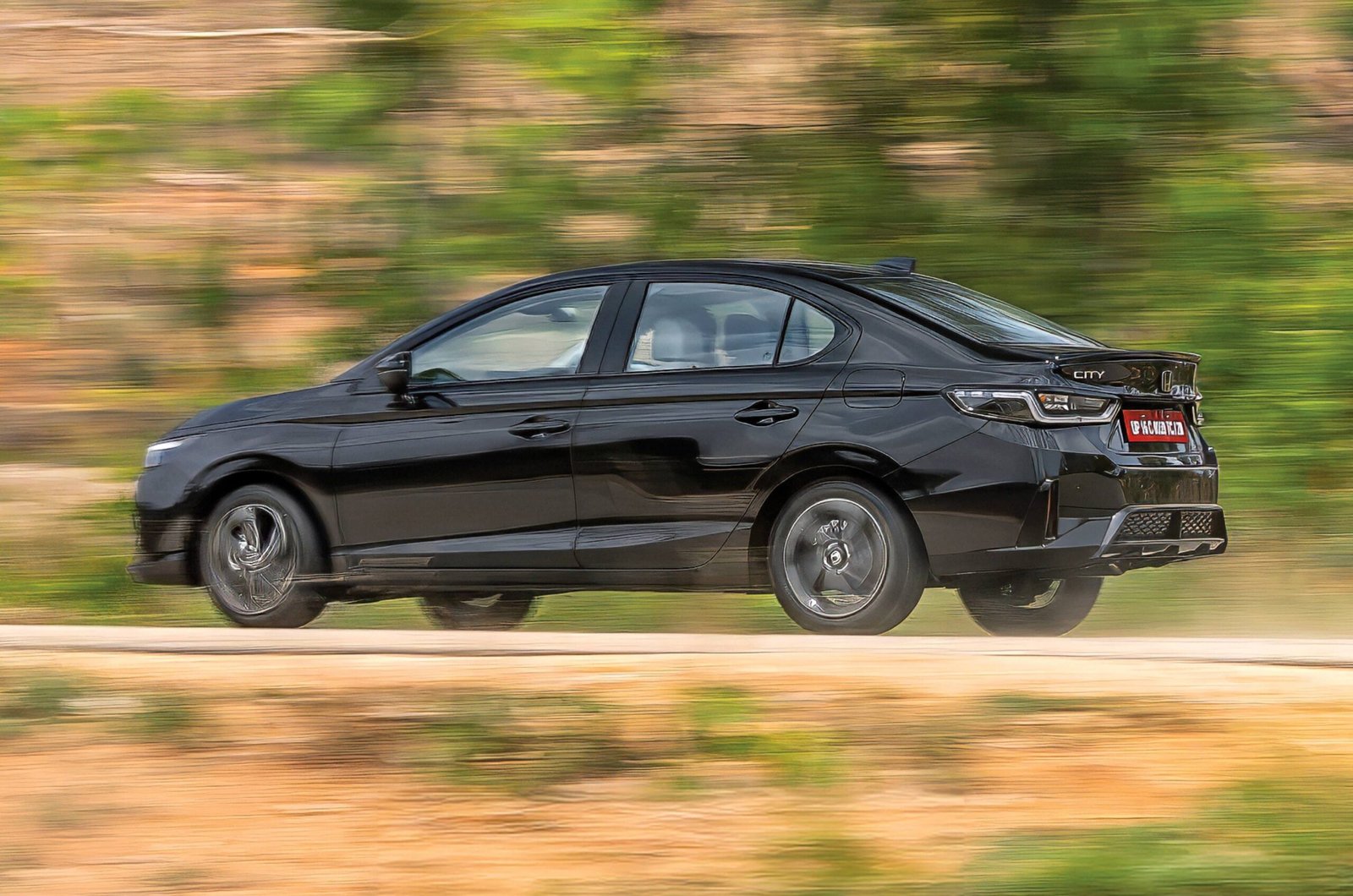
Real-World Fuel Savings Matter
With fuel prices remaining a major concern for Indian buyers, efficiency has become one of the strongest selling points for hybrid vehicles.
Many premium petrol SUVs priced similarly to the City Hybrid often return Fuel Efficiency figures in the 10-15 kmpl range under real-world conditions. By comparison, the City Hybrid consistently delivers around 20 kmpl, significantly reducing long-term fuel costs.
For buyers covering 15,000 to 20,000 kilometres annually, these savings can become substantial over several years of ownership.
Superior Urban Driving Experience
Unlike turbocharged engines that may experience lag at low speeds, the electric motor provides instant torque. This makes overtaking easier, traffic driving smoother, and daily commuting less stressful.
The hybrid system also contributes to lower cabin noise levels, creating a premium driving experience that many competitors struggle to match.
Reason #2: Comfort and Cabin Space Continue to Lead the Segment
A Sedan Designed Around Passenger Comfort
While SUVs often dominate conversations, many sedans still offer superior ride comfort and rear-seat space. The Honda City remains one of the best examples.
The 2026 model continues Honda’s tradition of maximizing cabin room. Both front and rear passengers benefit from generous space, making the City an excellent choice for families and chauffeur-driven buyers alike.
Front Seat Experience Gets Better
The addition of ventilated front seats is a welcome upgrade, particularly in India’s hot climate.
Long drives become noticeably more comfortable, especially during summer months when cabin temperatures can rise quickly.
The front seats offer:
- Good thigh support
- Comfortable cushioning
- Excellent visibility
- Relaxed driving posture
Rear Seat Comfort Remains a Strength
The rear seat experience continues to be among the best in the midsize sedan segment.
Rear passengers receive:
- Ample legroom
- Rear AC vents
- Type-C charging ports
- Rear sunshade
- Soft seat cushioning
The updated ivory-and-black interior theme also enhances the perception of space while giving the cabin a more premium appearance.
Thoughtful Ergonomics Still Matter
One area where Honda consistently excels is usability.
Physical controls remain intuitive, climate controls are easy to operate while driving, and the semi-digital instrument cluster presents information clearly without overwhelming the driver.
These seemingly small details significantly improve everyday ownership.
Reason #3 Not to Buy: Infotainment and Camera Technology Lag Behind Rivals
New Features, Old Execution
Honda deserves credit for finally introducing a larger 10.1-inch touchscreen and a 360-degree camera system. However, the implementation leaves much to be desired.
Modern buyers increasingly expect sophisticated digital experiences, particularly when spending over Rs 20 lakh on a vehicle.
Unfortunately, the City’s infotainment system struggles to meet those expectations.
Key Infotainment Issues
- Poor screen brightness
- Noticeable reflections in sunlight
- Average user interface design
- Limited premium feel
- Less responsive than several competitors
Many rivals now offer larger displays, sharper graphics, and more intuitive software experiences.
For tech-focused buyers, this may become a significant drawback.
360-Degree Camera Needs Improvement
The camera system is another area where the City falls short.
Common complaints include:
- Average image quality
- Outdated graphics
- Occasional software glitches
- Inconsistent camera switching
At this price point, buyers expect polished technology. Unfortunately, the City’s camera system feels more like a late addition than a fully integrated feature.
Reason #4 Not to Buy: Pricing Has Entered Premium Territory
The Value Equation Is Changing
The strongest argument against the 2026 Honda City Hybrid is its pricing.
At approximately Rs 21 lakh (ex-showroom), the hybrid version has become significantly more expensive than many buyers might expect from a midsize sedan.
While the vehicle does offer meaningful advantages in fuel efficiency and refinement, the latest update brings only modest changes while increasing the asking price.
What Buyers Get for the Extra Money
- Ventilated front seats
- 10.1-inch touchscreen
- 360-degree camera
- Updated styling elements
However, the underlying mechanical package remains largely unchanged.
This raises an important question: Do these additions justify the premium?
For some buyers, the answer will be yes. For others, especially those prioritizing features and technology, alternatives may offer stronger value.
How the Honda City Hybrid Compares to the Competition
| Category | Honda City Hybrid | Typical Petrol Rival |
|---|---|---|
| Fuel Efficiency | Excellent | Average |
| Driving Refinement | Outstanding | Good |
| Rear Seat Comfort | Excellent | Good |
| Technology Features | Average | Often Better |
| Purchase Price | Higher | Lower |
| Long-Term Fuel Savings | Significant | Limited |
Who Should Buy the 2026 Honda City Hybrid?
The Honda City Hybrid makes the most sense for:
- High-mileage drivers
- Urban commuters
- Family buyers prioritizing comfort
- Owners planning long-term vehicle retention
- Those seeking superior fuel Economy
It may be less suitable for:
- Technology-focused buyers
- Customers seeking SUV practicality
- Value-conscious shoppers
- Drivers prioritizing feature-rich cabins
The Bigger Picture: Why Sedans Like the City Still Matter
Despite the SUV boom, sedans continue to offer advantages that many buyers overlook. Better aerodynamics contribute to higher efficiency, lower centres of gravity improve ride quality, and spacious cabins often provide superior comfort compared to similarly priced crossovers.
The Honda City Hybrid demonstrates that sedans still have a strong place in the Indian market, particularly for buyers focused on efficiency, comfort, and driving refinement rather than sheer road presence.
As fuel costs remain a concern and hybrid technology becomes increasingly relevant, the City’s strong-hybrid setup may become even more valuable over the coming years.
Verdict: Is the 2026 Honda City Hybrid Worth Buying?
The 2026 Honda City Hybrid remains one of the most refined and fuel-efficient midsize sedans available in India. Its sophisticated hybrid powertrain, excellent ride comfort, spacious cabin, and proven reliability make it a compelling choice for practical buyers.
However, Honda’s updated infotainment system and 360-degree camera fail to match segment expectations, while the rising price tag weakens the value proposition compared to previous iterations.
For buyers prioritizing fuel economy, comfort, and long-term ownership satisfaction, the City Hybrid remains one of the strongest options in the segment. But those seeking cutting-edge technology and maximum feature value for money may find better alternatives elsewhere.
Ultimately, the 2026 Honda City Hybrid succeeds where it matters most: delivering a smooth, efficient, and comfortable driving experience that few rivals can replicate. Whether that is worth the premium depends entirely on what you value most in your next car.
For breaking news and live news updates, like us on Facebook or follow us on Twitter and Instagram. Read more on Latest Automobile on thefoxdaily.com.

COMMENTS 0