
Uber has partnered with Mahindra Last Mile Mobility to accelerate the adoption of electric three-wheelers in India. The partnership aims to support the adoption of 5,000 electric autos over the next 12 months by making electric vehicle ownership more accessible and financially practical for drivers using the Uber platform.
The initiative will focus on reducing the financial barriers associated with switching from conventional auto-rickshaws to electric alternatives. It will include financing support and trade-in incentives designed to encourage drivers to consider electric three-wheelers for their daily operations.
The partnership also reflects Uber’s broader interest in expanding sustainable mobility options in India. Alongside the electric auto initiative, the company has introduced Connected Journeys, a feature designed to integrate public transport with alternative mobility services.
Uber and Mahindra Join Hands to Promote Electric Autos
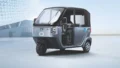
The partnership between Uber and Mahindra Last Mile Mobility is aimed at encouraging more drivers to adopt electric three-wheelers across India.
Under the initiative, both companies will work towards supporting the adoption of 5,000 electric autos within 12 months. The focus is not limited to increasing the number of Electric Vehicles on the road. It also addresses the practical challenges drivers face when considering a switch from conventional vehicles.
For many auto-rickshaw drivers, purchasing an electric vehicle involves an initial financial commitment. Even when electric vehicles offer potential operating-cost advantages, the upfront purchase price and access to suitable financing can influence buying decisions.
Uber and Mahindra intend to address these concerns through financing assistance and trade-in incentives.
What the Partnership Offers Auto Drivers
The initiative will focus on two important areas:
- Financing support: Helping drivers access financial options when purchasing electric three-wheelers.
- Trade-in incentives: Encouraging drivers to exchange their existing vehicles and consider switching to electric alternatives.
These measures are intended to make electric autos more accessible, particularly in markets where electric three-wheelers have not yet achieved widespread adoption.
However, the supplied announcement does not specify the financing interest rates, eligibility conditions, trade-in values or the cities where the programme will initially operate.
Why Uber Is Targeting Electric Three-Wheelers
Electric three-wheelers have an important role in India’s urban mobility sector. Auto-rickshaws are widely used for short-distance transportation, connecting residential areas with workplaces, railway stations, bus terminals and other important destinations.
Their regular use makes them an important segment for electric mobility initiatives. Drivers who operate autos throughout the day may benefit from evaluating electric alternatives, particularly when considering their overall operating expenses.
However, switching to an electric vehicle is not always straightforward. Drivers need to consider the purchase price, financing availability, charging arrangements and the practical requirements of their daily routes.
This is where the Uber-Mahindra partnership could make a difference. By introducing financial assistance and trade-in incentives, the companies aim to reduce some of the initial difficulties associated with electric vehicle adoption.
Making Electric Vehicles More Affordable for Drivers
The upfront cost of purchasing a vehicle can be a major consideration for commercial drivers. Many depend on their vehicles as their primary source of income, making the financial risks of switching particularly important.
Financing support could help eligible drivers spread the purchase cost over time instead of managing the entire expense upfront.
Trade-in incentives could provide another route for drivers who already own conventional auto-rickshaws. Rather than treating the purchase of an electric vehicle as an entirely separate investment, they may be able to use their existing vehicles as part of the transition.
The effectiveness of these measures will depend on the actual financing terms, incentive structure and availability of electric autos.
Target of 5,000 Electric Autos in 12 Months
The central target of the partnership is to support the adoption of 5,000 electric three-wheelers over a 12-month period.
This target gives the initiative a measurable objective. It also highlights the importance Uber and Mahindra are placing on electric mobility within the commercial three-wheeler segment.
Rather than focusing exclusively on private electric vehicle ownership, the programme targets drivers who use their vehicles for passenger transportation through a mobility platform.
For Uber, increasing the availability of electric autos could help expand the range of mobility options available to passengers. For Mahindra Last Mile Mobility, the partnership provides an opportunity to encourage the adoption of its electric three-wheeler offerings.
Important Details of the Uber-Mahindra Partnership
| Particulars | Details |
|---|---|
| Companies involved | Uber and Mahindra Last Mile Mobility |
| Vehicle category | Electric three-wheelers |
| Adoption target | 5,000 electric autos |
| Target period | 12 months |
| Target beneficiaries | Drivers using the Uber platform |
| Support measures | Financing and trade-in incentives |
| Primary objective | Improve accessibility and affordability of electric autos |
The 12-month target will be an important indicator of how effectively the partnership can convert interest in electric mobility into actual vehicle adoption.
Uber Introduces Connected Journeys to Integrate Public Transport
Alongside its partnership with Mahindra, Uber has introduced Connected Journeys, an initiative designed to bring public transportation and alternative mobility options together.
The idea is to make urban travel more connected by integrating different transportation options into the passenger journey.
Public transport systems such as buses and metro services are important for moving large numbers of people across cities. However, passengers may still need additional transportation to reach a station or complete the final part of their journey.
Alternative mobility services can help address these connections. By integrating public transport with other transportation options, Connected Journeys aims to make it easier for passengers to plan and complete their trips.
Why Connected Mobility Matters
Urban transportation often involves multiple stages. A passenger may use an auto-rickshaw to reach a metro station, take a train for the main part of the journey and use another mobility service to reach the final destination.
Connecting these options can make transportation more convenient and reduce dependence on a single mode of travel.
Uber’s Connected Journeys initiative reflects this approach by bringing public transport and alternative mobility services into a more integrated travel experience.
However, the supplied announcement does not provide details about the cities covered, supported public transport networks or the complete range of features available through Connected Journeys.
How the Partnership Could Benefit India’s Electric Mobility Sector
The Uber-Mahindra agreement highlights an important aspect of India’s electric vehicle transition: commercial drivers need practical financial support alongside access to electric vehicles.
Electric mobility initiatives often focus on introducing new models and improving vehicle technology. But for drivers who depend on their vehicles for daily earnings, affordability and financing can be just as important.
By combining Mahindra’s presence in the electric three-wheeler segment with Uber’s mobility platform, the partnership aims to address some of these adoption challenges.
Potential Benefits for Drivers
- Improved access to financing: Financial support could make electric vehicle purchases more manageable.
- Trade-in opportunities: Incentives could encourage existing auto-rickshaw owners to consider electric alternatives.
- Access to mobility demand: Electric auto drivers using the Uber platform can participate in its passenger mobility network, subject to platform availability and requirements.
- More electric vehicle choices: Wider adoption could increase the presence of electric three-wheelers in participating markets.
These potential benefits will depend on the programme’s implementation and the commercial terms offered to drivers.
Potential Benefits for Uber and Mahindra
For Uber, the initiative supports its efforts to expand electric mobility options across its platform. Increasing the number of electric autos could also help the company develop a broader network of drivers using alternative-energy vehicles.
For Mahindra Last Mile Mobility, the partnership offers an additional route to reach commercial drivers who may be interested in electric three-wheelers but need financial assistance before making a purchase.
The collaboration also connects vehicle manufacturing with passenger mobility services, bringing two important parts of the electric transportation ecosystem together.
Challenges That Could Influence Electric Auto Adoption
Although the partnership aims to support 5,000 electric autos, achieving the target will depend on several practical factors.
Financing and trade-in incentives can reduce the initial purchase burden, but they are only part of the overall ownership experience.
Charging Infrastructure
Drivers operating commercial autos need convenient access to charging facilities. Their vehicles are also income-generating assets, so charging arrangements must fit into their daily operating schedules.
The availability of suitable charging infrastructure can therefore influence whether drivers consider switching to electric vehicles.
Purchase Costs and Financing Conditions
Financial assistance can improve accessibility, but the actual benefit will depend on loan eligibility, repayment terms and the value of trade-in incentives.
Drivers will need to evaluate whether the overall cost of purchasing and operating an electric auto makes financial sense for their individual requirements.
Vehicle Availability and Market Coverage
The programme’s success will also depend on the availability of suitable electric three-wheelers and the markets where drivers can access the incentives.
The supplied announcement does not identify the initial rollout locations or confirm whether the programme will operate across all Uber markets in India.
What Happens Next?
The Uber and Mahindra Last Mile Mobility partnership sets an ambitious direction for electric three-wheeler adoption in India, with a target of supporting 5,000 electric autos over 12 months.
Its focus on financing and trade-in incentives addresses two practical considerations that can influence commercial drivers’ purchasing decisions. At the same time, Uber’s Connected Journeys initiative highlights the company’s broader interest in connecting public transportation with alternative mobility services.
The next important step will be the implementation of the programme and how effectively it reaches drivers. Its progress will depend on vehicle availability, financing conditions and the practical benefits offered to participants.
For now, the partnership represents a push towards making electric autos more accessible to India’s commercial mobility sector, while encouraging a more connected approach to urban transportation.
For breaking news and live news updates, like us on Facebook or follow us on Twitter and Instagram. Read more on Latest Automobile on thefoxdaily.com.





COMMENTS 0