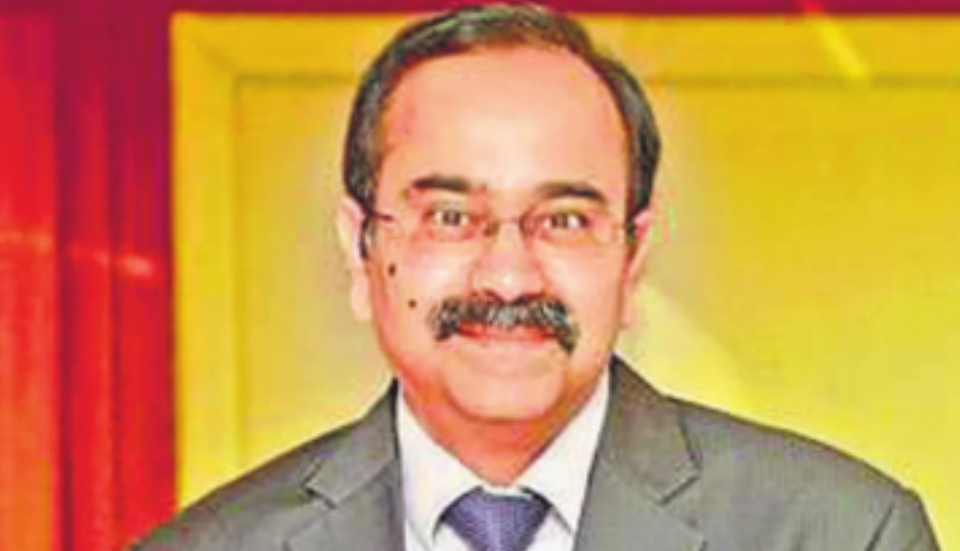
Anup Bagchi‘s appointment as managing director and chief executive officer of HDFC Bank highlights a recent pattern of private-sector banks appointing leaders from outside their own organizations, following approvals from the Reserve Bank of India (RBI).
HDFC Bank announced Bagchi’s appointment on October 1 after he emerged as the preferred candidate over internal contender Kaizad Bharucha, the bank’s current deputy managing director. Bagchi, 56, brings experience spanning Banking, retail, broking and insurance.
The appointment comes at an important stage for HDFC Bank as the lender works through leadership changes while investors continue to focus on earnings growth, business performance and the effectiveness of its post-merger operating model.
Why Anup Bagchi Was Chosen as HDFC Bank CEO
Bagchi’s selection marks a change in leadership for India’s largest private-sector bank. He is currently the managing director and chief executive officer of ICICI Prudential Life Insurance and has held several senior positions across the financial-services sector.
His career includes extensive experience at ICICI Bank, where he served in senior roles covering areas including wholesale banking, transaction banking and markets. His broader exposure to insurance and broking also differentiates him from candidates whose careers have been concentrated primarily within traditional banking.
The appointment followed a selection process in which Bagchi emerged ahead of an internal candidate, Kaizad Bharucha.
The choice has drawn attention because it follows several recent RBI-approved appointments involving leaders who previously worked at other financial institutions.
RBI Approves More External Banking Leaders
Bagchi’s appointment comes alongside a series of leadership changes across India’s private banking sector involving executives with experience outside the banks they were appointed to lead.
Recent examples include Rajiv Anand, who moved from Axis Bank to lead IndusInd Bank after RBI approval. Anand took charge of IndusInd Bank in August 2025.
Other examples cited in the report include KVS Manian, who moved from Kotak Mahindra Bank to Federal Bank in September 2024, and Mahesh Muralidhar Pai, formerly a chief general manager at Canara Bank, who became managing director of South Indian Bank from October 1.
In 2026, Vinay Tonse, a former State Bank of India executive, also received approval to lead a private-sector bank.
Yes Bank’s appointment of former State Bank of India official Prashant Kumar in 2020 is another example of a senior banking executive moving from one institution to another with regulatory approval.
Kotak’s Anup Kumar Saha Adds to the Trend
The pattern has continued with Kotak Mahindra Bank’s announcement that the RBI approved Anup Kumar Saha as its managing director and CEO.
Saha currently heads several functions at Kotak, including retail banking, government business, data analytics and marketing. However, he joined the bank only in January 2026 after spending years at Bajaj Finance and ICICI Bank.
Because of his relatively short tenure at Kotak, the appointment has been viewed in the context of the broader movement toward leaders with experience across multiple financial institutions.
Why an External CEO Matters for HDFC Bank
HDFC Bank’s leadership transition comes at a time when the lender has faced questions about corporate governance and allegations concerning aggressive marketing practices, according to experts cited by Hindustan Times.
An external chief executive can bring a different perspective and may have greater freedom to reassess existing processes and business strategies.
Experts cited in the report said the choice of an external leader could also provide a clearer break from previous approaches at a time when the bank is seeking to strengthen confidence among customers, employees and investors.
However, an external appointment does not automatically guarantee changes in strategy or performance. The effectiveness of the leadership transition will depend on how the new management team executes its plans and works with the board and other stakeholders.
Bagchi Brings Experience Beyond Traditional Banking
One of the key features of Bagchi’s background is his experience across several parts of the financial-services industry.
His career includes roles in banking as well as exposure to retail financial services, broking and insurance. That broader experience could be relevant to HDFC Bank as it continues to expand its financial-services ecosystem.
Abizer Diwanji, founder of NeoStrat Advisors, said the central issue for investors is HDFC Bank’s ability to maintain earnings growth and establish a robust business model following its merger.
He also pointed to Bagchi’s experience in retail, broking and insurance as an important part of his background.
ICICI Bank Experience Could Shape Bagchi’s Approach
Bagchi’s long association with ICICI Bank is another important part of his professional record.
During his time at ICICI Bank, he was involved in multiple banking businesses and helped develop products connecting different parts of the financial-services ecosystem.
One example cited by Diwanji is ICICI Bank’s three-in-one account, which linked brokerage and savings accounts and helped increase the bank’s deposit float.
Such experience could be relevant to HDFC Bank as financial institutions increasingly look for ways to integrate banking with investment, insurance and other financial services.
At the same time, HDFC Bank operates at a much larger scale and has its own organizational structure and business priorities. The extent to which Bagchi applies his previous experience to HDFC Bank will depend on the strategy adopted after he takes charge.
Post-Merger Business Model Remains Important
A major issue for HDFC Bank is maintaining growth following its merger with Housing Development Finance Corporation (HDFC).
The merger significantly expanded the scale and scope of the bank and created a larger financial-services platform. However, investors continue to monitor whether the combined organization can generate sustainable earnings growth while maintaining asset quality and operational efficiency.
The next CEO will therefore have to manage both day-to-day banking operations and the longer-term integration of the business model following the merger.
Bagchi’s experience across different financial-services segments could be relevant to this challenge, particularly as the bank seeks to deepen relationships with retail and institutional customers.
Leadership Continuity and Regulatory Oversight
Age and leadership continuity have also been cited as factors surrounding Bagchi’s appointment.
At 56, Bagchi could potentially provide continuity over a multi-year leadership period while bringing experience from outside HDFC Bank.
For large private-sector banks, CEO appointments require regulatory approval, making the RBI an important part of the leadership selection process.
The regulator’s role is intended to ensure that senior banking leadership meets the required standards and that institutions remain subject to appropriate oversight.
HDFC Bank Faces Multiple Leadership Changes
Bagchi’s appointment follows a period of broader leadership changes at HDFC Bank.
The bank has also appointed former Chief Election Commissioner Rajiv Kumar to a senior position, adding another experienced external figure to its leadership structure.
The changes come as HDFC Bank continues to manage its post-merger strategy and address concerns raised by investors and other stakeholders about business growth and governance.
The combination of internal expertise and external experience could shape how the bank approaches its next phase of development.
What Bagchi’s Appointment Could Mean for HDFC Bank
The immediate significance of Bagchi’s appointment is the change in leadership approach at one of India’s largest private-sector banks.
His background gives him experience across several financial businesses, while his long career in banking provides familiarity with large-scale financial institutions.
The appointment also places greater attention on how the RBI is evaluating leadership candidates for major private-sector banks. Recent appointments have included executives who have moved between institutions rather than spending their entire careers at the bank they ultimately lead.
For HDFC Bank, the more important issue will be how the new leadership translates experience into business execution.
Key Areas to Watch Under Bagchi
- Earnings growth: Investors will monitor whether HDFC Bank can sustain growth while maintaining profitability.
- Post-merger strategy: The bank will need to continue developing its business model following the HDFC merger.
- Retail banking: Bagchi’s extensive retail experience could influence the bank’s approach to customer acquisition and products.
- Financial-services integration: His exposure to insurance and broking may be relevant to HDFC Bank’s broader financial-services strategy.
- Corporate governance: Stakeholders will watch how the new leadership addresses governance-related concerns.
- Regulatory relationship: RBI oversight will remain important as the bank implements its leadership transition and business strategy.
External Leadership Becomes More Visible in Private Banking
Bagchi’s appointment is part of a broader series of leadership changes involving executives moving between major financial institutions.
The recent appointments at HDFC Bank, IndusInd Bank, Federal Bank and other lenders show that senior banking leadership is not necessarily limited to executives who have spent their entire careers within the same organization.
For banks, external appointments can introduce experience from different business models and institutions. At the same time, new CEOs must understand the culture, systems, customers and regulatory requirements of their new organizations.
The outcome ultimately depends on execution rather than simply whether a CEO comes from inside or outside the institution.
What Comes Next for HDFC Bank
Anup Bagchi’s appointment gives HDFC Bank a new leader with experience across banking and other financial-services businesses. His selection also comes amid a period of increased attention on leadership changes at India’s private-sector banks.
The key issues ahead will include earnings growth, the post-merger business model, retail banking, governance and the bank’s ability to maintain its position in a competitive financial-services market.
As Bagchi takes charge, investors and customers will be watching how the new leadership team translates his broader financial-services experience into HDFC Bank’s operating strategy and long-term business plans.
FAQs
Who is Anup Bagchi?
Anup Bagchi is a veteran financial-services executive with experience in banking, retail financial services, broking and insurance. He has also held senior positions at ICICI Bank and ICICI Prudential Life Insurance.
Why was Anup Bagchi appointed HDFC Bank CEO?
Bagchi emerged as the preferred candidate during the bank’s leadership selection process and was appointed after regulatory approval. He was selected ahead of internal candidate Kaizad Bharucha.
What is Bagchi’s current financial-services experience?
Before moving to HDFC Bank, Bagchi served as managing director and CEO of ICICI Prudential Life Insurance and previously held senior roles at ICICI Bank.
Is Bagchi an external candidate for HDFC Bank?
Yes. Bagchi comes from outside HDFC Bank and has spent his career at other financial institutions, including ICICI Bank and ICICI Prudential Life Insurance.
Why are external bank CEOs receiving attention?
Several recent private-sector bank leadership appointments have involved executives moving from other financial institutions, bringing experience from outside the organizations they now lead.
What challenges does Bagchi face at HDFC Bank?
Key issues include maintaining earnings growth, managing the post-merger business model, strengthening business performance and addressing governance-related concerns highlighted by experts.
How could Bagchi’s broking and insurance experience help?
His experience across broking and insurance gives him exposure to financial products beyond traditional banking, which could be relevant as HDFC Bank develops its wider financial-services business.
What will investors watch under the new CEO?
Investors are likely to focus on earnings growth, business performance, the post-merger strategy, retail banking, governance and the bank’s ability to maintain a robust operating model.
For breaking news and live news updates, like us on Facebook or follow us on Twitter and Instagram. Read more on Latest Business on thefoxdaily.com.






COMMENTS 0