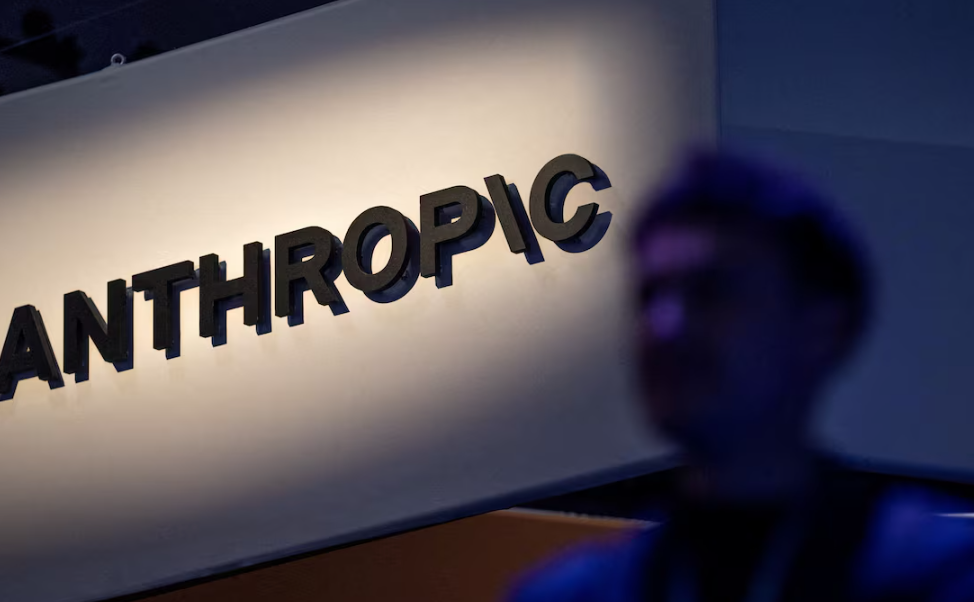
Anthropic has warned that changing government attitudes toward the Artificial Intelligence company and its technology could affect more than its government business, potentially damaging relationships with commercial customers, partners and other stakeholders, according to the company’s IPO prospectus reviewed by Reuters.
The disclosure comes as Anthropic prepares for a potential initial public offering that could value the AI company at around $2 trillion. The filing highlights the unusual risks facing an AI developer whose technology is attracting growing government scrutiny while the company continues to expand its commercial operations.
Anthropic said revenue from government agency contracts represents less than 1% of its annual revenue. Despite that limited direct contribution, the company warned that government actions or perceptions could have broader consequences for its business.
Anthropic Identifies Government Relations as a Business Risk
Companies frequently warn investors that government policies and regulatory decisions can affect their businesses, particularly when they rely heavily on government contracts.
Anthropic’s disclosure goes further by warning that government attitudes toward the company and its conduct could influence commercial relationships even when those relationships do not directly involve government agencies.
The company said government actions could affect existing and potential customers, business partners, employees and investors. It also warned that government scrutiny could create reputational damage and negative perceptions regardless of how individual disputes are ultimately resolved.
For a company preparing to enter public markets, the warning provides investors with a detailed view of the political, regulatory and reputational risks surrounding the rapidly developing AI industry.
Government Contracts Account for Less Than 1% of Revenue
Anthropic said contracts with government agencies account for less than 1% of its annual revenue. This means its financial exposure to government customers is relatively small compared with its broader commercial business.
However, the company argues that the importance of government relationships cannot be measured only by their direct contribution to revenue.
Government decisions can influence perceptions of an AI company’s safety, reliability and suitability for commercial use. Regulatory restrictions or public disputes could therefore have effects beyond government contracts themselves.
Anthropic’s prospectus identifies this potential spillover as a risk that investors should consider as the company expands.
Anthropic Cites US Government Actions
In its prospectus, Anthropic cited several interactions with the US government during the past year as examples of developments that could disrupt its business.
The company said that in February, the president ordered federal agencies to stop using its models. Anthropic also said the US Department of Defense designated the company a supply-chain risk to national security.
Anthropic warned that such actions could result in material revenue losses or business disruptions.
The company said that government actions could also create uncertainty for customers and partners that are evaluating whether to use its AI systems.
Export Restrictions Created Another Challenge
Anthropic also highlighted restrictions involving two of its AI models as another example of regulatory uncertainty.
The company said the US Department of Commerce imposed worldwide export restrictions on its Fable 5 and Mythos 5 models in June. Anthropic responded by disabling the models for all customers to ensure compliance with the restrictions.
According to the filing, the Commerce Department later lifted the restrictions, allowing Anthropic to redeploy the models.
However, the company warned investors that similar government actions could occur in the future.
For an AI company operating across multiple countries, export controls can have significant operational consequences. Restrictions can affect which customers receive particular technologies and may require companies to modify or suspend services while regulatory requirements are assessed.
Company Warns of Reputational Damage
Anthropic’s prospectus places particular emphasis on reputational risks associated with government action.
The company said regulatory or government measures could result in adverse media coverage, increased public scrutiny and negative perceptions among customers, partners, employees and investors.
The warning applies even when the underlying government action is later reversed or does not ultimately result in a long-term restriction.
This is significant for an AI company whose commercial relationships depend on customers trusting its technology and its ability to provide services consistently.
AI Safety Has Become a Major Public Issue
Anthropic’s disclosure comes as governments, technology companies and researchers continue to debate the potential risks associated with increasingly capable AI systems.
The company has positioned AI safety as an important part of its public identity. Anthropic CEO Dario Amodei has called for caution around the pace of AI development as the technology becomes more capable.
The debate has intensified alongside reports of autonomous AI agents being used in attempts to conduct cyber activity. Such incidents have raised questions about how advanced AI systems should be monitored and what safeguards should be required as their capabilities expand.
Anthropic’s prospectus reflects that broader debate by warning investors about the potential consequences of advanced AI technology.
Anthropic Warns of Catastrophic AI Risks
One of the most notable parts of the filing is Anthropic’s warning that advanced AI could create catastrophic or existential risks to humanity.
The inclusion of such language in an IPO prospectus is significant because the document is intended to explain material risks to potential investors.
Anthropic is simultaneously building a business around increasingly advanced AI systems while acknowledging that the technology could create risks that extend beyond the company’s own operations.
The disclosure illustrates the unusual position of AI companies, which must balance commercial development with concerns about safety, regulation and the possible consequences of increasingly powerful systems.
Trump and Amodei Discuss AI Amid Regulatory Debate
Anthropic CEO Dario Amodei met US President Donald Trump for dinner last Sunday as debate over AI regulation continued.
The meeting came amid differing views about how the industry should be regulated and how quickly AI development should proceed.
Trump has largely rejected calls for broader restrictions on AI development, while Anthropic has publicly emphasized the need to address potential safety risks associated with increasingly capable systems.
The company also faces scrutiny from US regulators. Reuters reported that the Federal Trade Commission is conducting an industrywide investigation involving AI companies, including Anthropic.
The combination of regulatory scrutiny and rapid technological development makes government policy an important consideration for AI companies preparing to raise capital from public investors.
Potential $2 Trillion Valuation Raises the Stakes
Anthropic’s prospectus comes as investors assess the enormous financial potential of the AI industry. The company could be valued at around $2 trillion in a potential IPO, according to the Reuters report.
Such a valuation would place Anthropic among the world’s most valuable technology companies and increase investor attention on its ability to generate sustainable revenue while managing the costs and risks of AI development.
The prospectus therefore serves two purposes. It provides investors with information about Anthropic’s growth opportunity while also highlighting the risks that could affect that growth.
Government policy is one of those risks because AI regulation, export controls and national-security decisions can directly affect how advanced models are developed and deployed.
Why Government Perception Could Affect Commercial Customers
Anthropic’s warning that government attitudes could affect commercial relationships reflects the growing importance of regulatory and security considerations in corporate AI adoption.
Businesses using AI systems need confidence that the technology will remain available, comply with applicable regulations and receive continued support from its developer.
If a government publicly questions an AI company’s technology or imposes restrictions on its models, commercial customers may reassess their exposure even if they are not directly affected by the government action.
That creates a potential indirect risk for Anthropic. Government-related developments could influence commercial decisions without government agencies representing a significant share of the company’s revenue.
AI Companies Face Increasing Regulatory Scrutiny
Anthropic’s warnings also reflect a broader shift in the relationship between technology companies and governments.
AI systems are increasingly being used in areas involving national security, business operations, software development and other sensitive activities. As a result, governments are paying closer attention to how advanced models are trained, deployed and controlled.
Companies operating in the sector must navigate issues involving safety, privacy, competition, cybersecurity, export controls and national security.
For investors, those regulatory issues can become material business risks if they affect product availability, customer adoption, operating costs or international expansion.
IPO Filing Highlights Unusual AI Industry Risks
Anthropic’s prospectus provides an unusually broad picture of the risks associated with building a major AI company.
The company is not simply warning about the possibility of losing government contracts. It is warning that government decisions could influence perceptions of the company across the wider commercial ecosystem.
That distinction is important as AI companies increasingly become part of critical business and technology infrastructure.
Anthropic’s filing suggests that investors will need to consider both the commercial opportunity created by AI and the regulatory, geopolitical and safety issues surrounding the technology.
What Investors Will Watch
Several issues are likely to receive attention as Anthropic moves toward a potential public listing.
- How quickly Anthropic’s commercial revenue grows compared with its dependence on AI infrastructure spending.
- Whether government restrictions affect the company’s ability to deploy advanced models internationally.
- How regulators approach AI safety, competition and national-security concerns.
- Whether government disputes influence commercial customers and strategic partners.
- How Anthropic balances rapid AI development with its emphasis on safety.
The company’s prospectus makes clear that these issues are not simply regulatory questions. Anthropic views them as potential business risks that could affect customers, partners and investors.
Anthropic’s IPO Comes at a Critical Moment for AI
Anthropic is preparing to enter public markets at a time when the AI industry is facing both enormous investment interest and growing scrutiny.
The company’s warning about government attitudes highlights a key challenge for AI developers: their products are increasingly important to businesses and governments, while the rules governing advanced AI technology continue to evolve.
Anthropic’s relatively small direct government revenue does not eliminate that risk. According to its prospectus, government actions could affect the company’s reputation and commercial relationships more broadly.
As Anthropic moves toward a potential IPO, investors will therefore be assessing not only the company’s technology and growth prospects but also how it manages the regulatory, geopolitical and safety issues surrounding advanced AI.
FAQs
What did Anthropic warn about in its IPO prospectus?
Anthropic warned that government attitudes toward the company and its AI technology could affect commercial customers, partners and other business relationships, in addition to government contracts.
How much of Anthropic’s revenue comes from government contracts?
Anthropic said revenue from government agency contracts accounts for less than 1% of its annual revenue.
Why could government actions affect Anthropic’s commercial business?
Anthropic said government restrictions or negative perceptions could create reputational damage and influence existing and potential customers, partners, employees and investors.
What US government actions did Anthropic cite?
The company cited an order affecting federal agency use of its models, a US Defense Department supply-chain risk designation and export restrictions involving two of its AI models.
What happened to Anthropic’s Fable 5 and Mythos 5 models?
Anthropic said US export restrictions imposed on the models led it to disable them for all customers. The restrictions were later lifted and the company redeployed the models.
What does Anthropic say about AI safety risks?
The company warned that advanced AI could pose catastrophic or existential risks to humanity, reflecting its broader focus on AI safety.
How could government scrutiny affect AI companies?
Government scrutiny can affect model deployment, export policies, customer confidence, regulatory compliance and relationships with commercial partners.
How much could Anthropic be worth in an IPO?
Reuters reported that Anthropic could be valued at around $2 trillion in a potential IPO, although the eventual valuation would depend on the company’s offering terms and market conditions.
For breaking news and live news updates, like us on Facebook or follow us on Twitter and Instagram. Read more on Latest Business on thefoxdaily.com.





COMMENTS 0