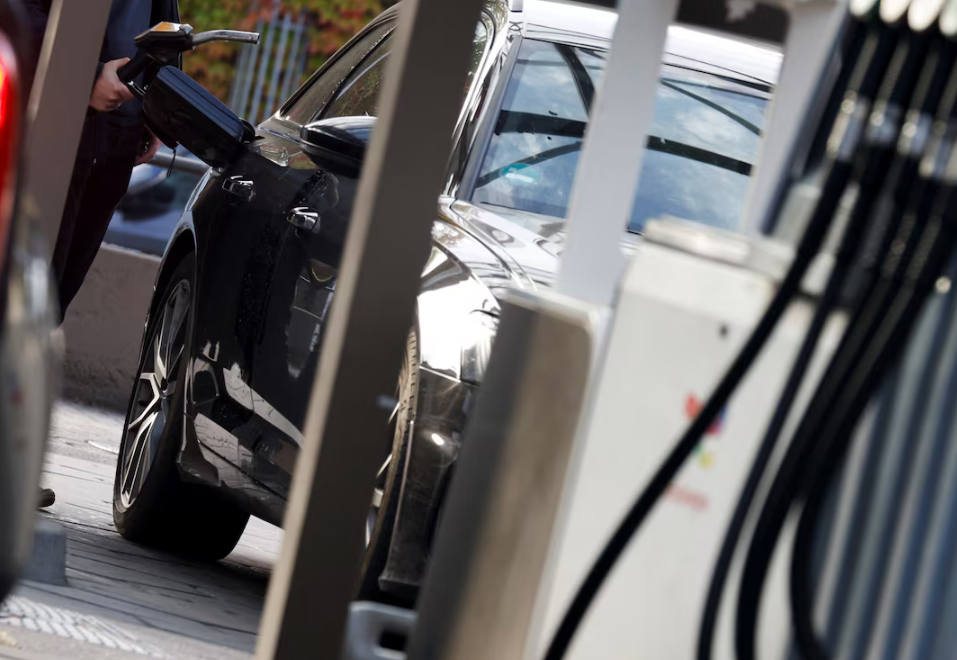
European Union countries are considering a French proposal to release additional diesel stocks as governments respond to pressure from the United States to help cool surging fuel prices linked to the Iran war.
According to people familiar with the discussions, the French proposal calls for European countries to release 50 million barrels of diesel, while members of the International Energy Agency (IEA) would release another 50 million barrels of crude oil.
The discussions highlight the growing pressure on Europe to use emergency energy reserves as global fuel supplies remain vulnerable to disruptions involving the Middle East, Russia and China.
France Proposes 50 Million Barrels of Diesel
EU governments discussed the proposal during a call on Friday. Under the plan, European countries would release 50 million barrels of diesel from emergency stocks.
Part of the diesel would reportedly be released within a 20-day period, reflecting the urgency of the US request for additional fuel supplies.
The proposal comes as European governments face a difficult balance. Releasing strategic reserves could increase fuel availability and help reduce prices, but it would also leave countries with smaller emergency inventories if supply disruptions continue.
The French proposal also calls for IEA member countries to release 50 million barrels of crude oil. Such coordinated action would increase the amount of energy available to global markets at a time when several supply chains are under pressure.
US Wants Europe to Release 100 Million Barrels
The European discussions followed US pressure for major European countries to release a much larger volume of diesel. Two sources familiar with the talks said the United States had demanded that countries including France and Germany release 100 million barrels of diesel within a 20-day period.
The request is part of Washington’s efforts to bring down domestic fuel prices. The Trump administration has also raised the possibility of restricting US diesel exports if European countries do not release additional emergency supplies.
The potential US export restrictions have created another challenge for Europe because the region has become increasingly dependent on imported fuel, including supplies from the United States.
EU May Link Stock Release to US Export Commitment
EU governments are also discussing conditions that could accompany any decision to release diesel stocks.
One proposal under discussion is to make the release conditional on a US commitment not to impose a unilateral diesel export ban. Such an arrangement would give European governments greater certainty that additional fuel would continue to reach international markets.
The issue is particularly important because Europe needs to replenish its fuel supplies while also maintaining emergency reserves for potential future disruptions.
The discussions show that energy policy is increasingly interconnected between Europe and the United States. A decision by Washington to restrict diesel exports could affect European fuel availability, while a large European stock release could influence prices in international markets.
Oil and European Diesel Prices Fall
Oil prices fell more than 2% on Friday after reports emerged about the discussions over strategic fuel reserves.
European gasoil futures also dropped about 5%, reflecting expectations that additional stock releases could improve fuel availability.
Benchmark European diesel futures were trading 4.5% lower at $1,384.50 per metric ton at 1245 GMT, according to LSEG data.
European diesel refining margins also declined 4.4% to $73.30 a barrel. They had reached around $95 a barrel the previous week, highlighting the sharp increase in profitability for refiners during the recent period of tight fuel supply.
Markets often react quickly to announcements involving strategic reserves because government stock releases can add physical supplies without requiring producers to immediately increase output.
Europe Faces a Difficult Energy Balance
European governments must now balance two competing priorities. The first is the need to bring down high fuel prices and protect consumers and businesses from further increases. The second is the need to retain enough emergency supplies to deal with possible future disruptions.
The uncertainty surrounding oil and fuel flows from Gulf producers has made that decision more complicated. The Iran war has disrupted regional Energy Markets, while other supply constraints have added to pressure on refined products.
A large release could provide short-term relief, but governments must consider how quickly those reserves could be rebuilt if international supplies remain unstable.
The proposed 50 million barrels of diesel represents approximately 17% of the European Union’s total emergency stocks of diesel and gasoil, based on Eurostat data from May 2025.
The volume is also equivalent to roughly 3% of the bloc’s annual diesel and gasoil consumption, according to the same data.
Europe’s Dependence on Imported Diesel
Europe’s energy supply structure has changed significantly in recent years. The region historically relied heavily on diesel imports from Russia and the Middle East, but imports from the United States have become increasingly important.
This shift has left European fuel markets exposed to changes in US export policy. If Washington restricts diesel exports while Middle Eastern supplies remain disrupted, European countries could face another round of pressure on fuel availability.
That is one reason European governments are considering whether to release strategic stocks while simultaneously seeking assurances from the United States.
The issue also demonstrates the broader challenge created by Europe’s reduced access to Russian energy supplies following the conflict involving Russia and Ukraine.
Russia and China Add to Diesel Supply Pressure
European fuel markets are facing supply challenges from several directions rather than a single source.
Russian diesel exports have been affected after Ukraine damaged several Russian refineries, while Russia has also imposed restrictions on some fuel exports.
China has added another layer of uncertainty by suspending October fuel exports as Chinese refiners seek to strengthen domestic stocks.
China is a major participant in international refined-product markets. When Chinese refiners retain more fuel for domestic use, fewer barrels are available to international buyers.
The combination of Russian supply disruptions, Chinese export restrictions and uncertainty surrounding Middle Eastern supplies has increased pressure on diesel markets.
Macron to Chair G7 Energy Discussion
French President Emmanuel Macron is scheduled to chair a videoconference with G7 leaders focused on the global energy situation.
The meeting comes after Macron spoke with US President Donald Trump overnight. According to the Elysee Palace, Macron stressed the need for the two countries to work together to address rising fuel prices and maintain global availability of refined products.
France currently holds the presidency of the G7, giving Macron a central role in coordinating discussions among the group’s major economies.
The G7 discussion could provide a broader forum for governments to consider strategic stock releases, fuel supply coordination and measures aimed at reducing the impact of the current energy disruption.
IEA Has Already Coordinated a Major Reserve Release
The proposed European diesel release would come after a much larger coordinated action by the International Energy Agency.
The 32-member IEA agreed in March to release 400 million barrels from strategic Oil Reserves in response to the Iran war. The organization described the move as the largest coordinated release of strategic oil reserves in its history.
IEA Executive Director Fatih Birol said this week that members had already released around two-thirds of those volumes.
The latest French proposal for another 50 million barrels of crude from IEA members would therefore add to an already substantial effort to increase supply and stabilize energy markets.
However, strategic reserve releases are temporary measures. They can provide additional supply during periods of disruption, but they do not permanently resolve problems affecting production, refining capacity or international trade routes.
Why the Diesel Release Matters
Diesel is particularly important to the European economy because it powers freight trucks, agricultural machinery, construction equipment and many industrial operations.
Higher diesel prices can increase transportation and production costs, potentially feeding into prices for goods and services. A sustained shortage can therefore have economic effects beyond the energy market.
For households, diesel prices also affect the cost of transportation and can indirectly influence the prices of products delivered by road.
This makes the debate over strategic reserves an economic issue as well as an energy-security issue.
Strategic Reserves Could Provide Short-Term Relief
A coordinated release of emergency diesel stocks could increase available supplies relatively quickly. The proposed 20-day release period reflects the desire to bring additional fuel into the market without waiting for new production capacity.
However, the impact would depend on the scale of the release, the speed at which fuel reaches consumers and whether other supply disruptions continue.
If Middle Eastern exports recover and additional reserves enter the market, pressure on diesel prices could ease. If disruptions persist or worsen, governments may have to decide how much of their remaining reserves they are willing to use.
US Export Ban Remains a Key Concern
The possibility of a US diesel export ban is one of the most important issues in the European discussions.
Europe has increasingly relied on US fuel imports, meaning restrictions on American exports could reduce supply available to European buyers.
European governments therefore appear to be considering the US demand for stock releases alongside their own concerns about maintaining fuel security.
Making a European stock release conditional on a US commitment not to impose an export ban could provide greater predictability for fuel markets, although the outcome of those discussions remains uncertain.
What Happens Next?
European governments will continue discussing the proposed stock release as they assess the risks to fuel supplies and emergency reserves.
The G7 energy discussions led by Macron could provide additional coordination between major economies, while the IEA will remain an important part of efforts to manage global oil-market disruptions.
For markets, the immediate focus will remain on the actual volume and timing of any strategic stock release, US policy toward diesel exports, Middle Eastern supply flows and China’s refined-product export restrictions.
The latest developments have already had a noticeable effect on oil and European diesel prices. Whether those declines continue will depend on how quickly additional fuel reaches the market and whether underlying supply disruptions begin to ease.
FAQs
How much diesel does France propose Europe release?
France has proposed that European countries release 50 million barrels of diesel from emergency stocks, according to sources familiar with the discussions.
How much diesel does the US want Europe to release?
Sources said the United States has demanded that major European countries, including France and Germany, release 100 million barrels of diesel within a 20-day period.
Why does the US want Europe to release diesel stocks?
The US is seeking additional fuel supplies to help ease high diesel and fuel prices. Washington has also raised the possibility of restricting US diesel exports.
Could Europe make its stock release conditional?
EU countries are discussing whether to link any diesel stock release to a US commitment not to impose a unilateral diesel export ban.
How much diesel could the proposed European release represent?
The proposed 50 million barrels would represent approximately 17% of the EU’s total emergency stocks of diesel and gasoil, based on Eurostat data from May 2025.
Why are European diesel supplies under pressure?
Supply has been affected by disruptions involving Middle Eastern energy flows, Russian refinery damage and export restrictions, as well as China’s decision to suspend October fuel exports.
How much oil has the IEA agreed to release?
The IEA agreed in March to a coordinated release of 400 million barrels of strategic oil reserves. Fatih Birol said members had released about two-thirds of those volumes.
Will releasing emergency stocks solve the diesel shortage?
Strategic stock releases can provide additional short-term supply, but they do not permanently resolve disruptions affecting production, refining, shipping or international trade.
For breaking news and live news updates, like us on Facebook or follow us on Twitter and Instagram. Read more on Latest Business on thefoxdaily.com.




COMMENTS 0