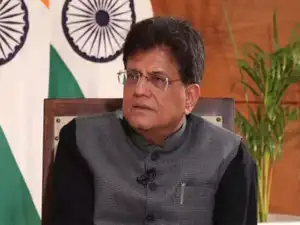
India and the United States are moving closer to finalising a bilateral trade agreement, with Commerce and Industry Minister Piyush Goyal indicating that a pathway for concluding the negotiations is taking shape. The development raises expectations that the two countries could make progress on a trade arrangement that has faced delays amid differences over tariffs and market access.
The proposed agreement is significant for Indian exporters because the United States is India’s largest export destination. A resolution of the outstanding trade issues could provide greater clarity for businesses operating across sectors that depend on access to the American market.
However, important differences remain, particularly over the tariff treatment of Indian goods and the terms under which the two countries would expand trade. The latest comments point to progress in discussions, but do not amount to confirmation that a final agreement has been signed or that all outstanding issues have been resolved.
US Tariff Proposal Puts Trade Negotiations in Focus
The latest developments come after the United States proposed tariffs of up to 25% on Indian goods following investigations into alleged structural excess manufacturing capacity and production practices. Washington has indicated that the proposed rate could be reduced to 17% if India and the US conclude a trade agreement.
The proposed 25% rate is significant because it creates a difference in the tariff treatment Indian exporters could face depending on whether the two countries finalise an agreement. The lower 17% rate would apply under the proposed trade-deal arrangement, while the higher rate could remain relevant if negotiations fail to produce an agreement.
US Trade Representative Jamieson Greer said Washington would cap tariffs on Indian imports at 17% if a deal is reached. Without an agreement, the proposed rate could rise to 25%. The proposal followed the conclusion of US investigations covering India and other trading partners. :chatgpt-content-reference{index=”0″}
The tariff proposal has added urgency to the negotiations, as Indian exporters are seeking predictable access to the American market. However, the proposed rates should not be confused with a final trade agreement or tariffs already implemented under a concluded bilateral pact.
India Rejects US Allegations of Excess Manufacturing Capacity
A major point of disagreement between the two countries concerns Washington’s assessment that certain Indian manufacturing policies contribute to structural excess capacity. The US investigation examined production conditions across multiple economies and raised concerns about the effects of industrial policies and manufacturing output on international trade.
India has rejected the allegation, maintaining that it does not have structural excess capacity in any sector. The government has argued that its manufacturing capabilities serve domestic requirements as well as global demand, rather than creating an artificial surplus that distorts international markets.
India’s Commerce Ministry has also said that trade-related concerns should be addressed through the ongoing bilateral negotiations. New Delhi has indicated that it remains committed to working with Washington towards an early conclusion of the trade agreement. :chatgpt-content-reference{index=”1″}
The disagreement matters because the two governments are approaching the issue from different perspectives. Washington has linked its tariff proposal to concerns about manufacturing policies and their impact on US producers, while India disputes the underlying assessment and wants the concerns resolved through negotiations.
Reaching an agreement will therefore require progress not only on tariff rates but also on the broader trade issues that have influenced the discussions.
Why the United States Is Important for Indian Exporters
The United States is India’s largest export destination, making access to the American market particularly important for Indian manufacturers and businesses. A wide range of Indian products are sold to US buyers, and changes in import duties can influence their prices and competitiveness.
Higher tariffs can increase the cost of importing goods into the United States, potentially making products from affected countries less competitive against supplies from other markets. Exporters may face pressure to absorb part of the additional cost, adjust prices or reconsider their sourcing and business arrangements.
A lower tariff rate under a bilateral agreement could offer Indian companies greater certainty when planning exports, negotiating contracts and making investment decisions. It could also help businesses assess their position against competitors from other countries that are negotiating separate trade arrangements with Washington.
The proposed 17% rate would place India below several Asian economies facing proposed rates of 18%, including Bangladesh, Cambodia, Indonesia, Malaysia and Thailand. Vietnam’s proposed rate is 20%, according to the latest tariff announcements. These comparisons are based on the proposed arrangements and remain subject to their final implementation. :chatgpt-content-reference{index=”2″}
Trade Negotiations Have Faced Repeated Delays
The India-US bilateral trade agreement has been under discussion for an extended period, with both sides seeking to establish a framework for expanding economic engagement. Although the negotiations have progressed through several rounds, differences over tariffs and market access have delayed the finalisation of the agreement.
The two countries announced an interim trade framework earlier in 2026, but the agreement has not yet been formally signed. Subsequent discussions have focused on resolving outstanding sections of the proposed arrangement, including customs procedures and trade facilitation.
A senior Indian government official previously indicated that negotiators had made progress on portions of the customs and trade facilitation chapter. The discussions have also involved questions about how future US tariff measures would interact with the commitments made under the proposed agreement. :chatgpt-content-reference{index=”3″}
The latest tariff proposal has introduced another issue that both governments will need to address. While the possibility of a 17% rate offers a potential incentive for concluding the agreement, India must also consider the implications of the proposed terms for domestic industries and exporters.
Agriculture and Market Access Remain Sensitive Issues
Tariffs are only one part of the broader India-US trade negotiations. Market access, particularly in agriculture, has remained a sensitive subject because changes in import rules can affect domestic producers and established trade policies.
India has consistently treated several agricultural categories as sensitive in trade discussions. These include dairy products and genetically modified crops, along with other farm and food products. New Delhi has indicated that it does not intend to make concessions that would compromise its established positions on these areas.
Commerce Minister Piyush Goyal has previously said that India would protect sensitive agricultural interests, including dairy and genetically modified products. Reports on the negotiations have also indicated that Washington may have softened some of its demands in these areas, although the final terms remain subject to agreement. :chatgpt-content-reference{index=”4″}
These issues illustrate why finalising the trade deal may involve more than agreeing on a headline tariff figure. Both governments need to settle the detailed provisions governing trade in goods and the treatment of sectors where their domestic priorities differ.
What the Proposed Agreement Could Mean for Businesses
For Indian exporters, a completed agreement could provide greater clarity about the duties applicable to goods entering the US market. Predictable tariff conditions are important for companies that operate on long-term supply contracts, compete with manufacturers in other countries or are considering investments linked to export demand.
Businesses could also benefit from clearer customs procedures and agreed rules governing market access. These provisions can influence the time and cost involved in moving goods across borders, although the practical benefits would depend on the final terms of the agreement.
For US companies, improved trade arrangements could provide a clearer framework for sourcing products from India and engaging with Indian suppliers. A broader agreement could also support commercial cooperation in manufacturing, technology and other areas, depending on the commitments included by both sides.
Nevertheless, the impact will vary across industries. Companies exposed to higher import duties may face different challenges from businesses whose products receive exemptions or are covered by separate tariff arrangements. The final agreement and its product-specific provisions will therefore be important in determining which sectors benefit most.
What Happens Next in the India-US Trade Deal?
Piyush Goyal’s latest comments indicate that the government sees a possible route towards completing the negotiations. However, the agreement will need to move from discussions and proposed terms to a finalised legal framework before businesses can rely on its provisions.
Several developments will be important to watch. These include whether the two countries settle their differences over the proposed excess-capacity tariffs, whether the 17% rate is incorporated into the final arrangement and how sensitive sectors such as agriculture are treated.
The US tariff process also remains relevant. The proposed measures are subject to further procedural steps, including public comments and hearings scheduled for 2027. This means the tariff framework could continue to influence negotiations even as both governments work towards a bilateral agreement. :chatgpt-content-reference{index=”5″}
For now, the prospect of a 17% tariff rate under a trade agreement gives both sides an additional reason to pursue a negotiated settlement. But the 25% proposal, India’s rejection of the excess-capacity allegation and unresolved market-access questions show that important differences remain.
The latest statement from Goyal signals movement towards the culmination of negotiations, but a final outcome will depend on the details accepted by both governments. Until an agreement is formally concluded, Indian exporters and businesses will continue to face uncertainty over the future tariff treatment of their products in the US market.
For breaking news and live news updates, like us on Facebook or follow us on Twitter and Instagram. Read more on Latest Business on thefoxdaily.com.






COMMENTS 0