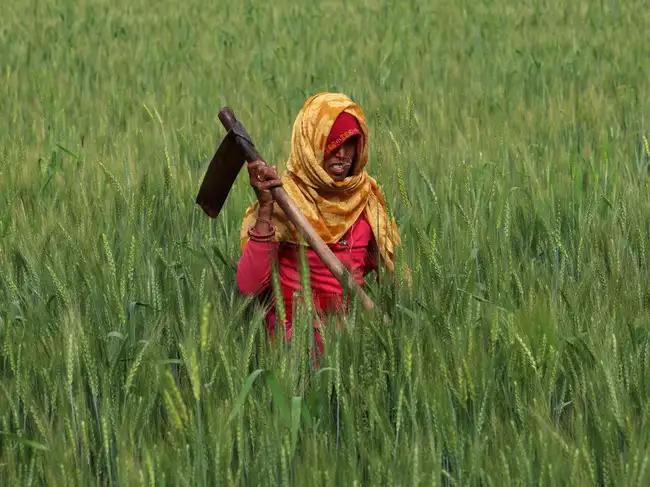
India’s wheat cultivation area is heading for its steepest decline in 26 years as farmers increasingly shift towards alternative crops amid concerns over water availability and farm profitability. Insufficient monsoon rainfall, combined with a relatively small increase in the government’s wheat procurement prices, is discouraging some farmers from expanding wheat cultivation.
Farmers are increasingly considering less water-intensive crops such as chickpeas and rapeseed, which offer the possibility of better returns under current conditions. The shift could push India’s wheat acreage to its lowest level in four years, highlighting the challenges facing the country’s winter cropping season.
The decline in wheat planting is significant because India is one of the world’s major wheat producers. Changes in cultivation area can influence domestic production prospects, agricultural market conditions and the government’s efforts to maintain sufficient grain supplies.
Wheat Acreage Faces Sharpest Decline in 26 Years
India is experiencing its most severe decline in wheat acreage in 26 years, reflecting changing decisions among farmers ahead of the winter growing season. The expected contraction suggests that a growing number of agricultural producers are reconsidering the economics of planting wheat.
Wheat is a major winter crop in India and is generally cultivated during the rabi season. Farmers make planting decisions based on several factors, including soil moisture, irrigation availability, input costs, expected yields and the prices they may receive after harvesting.
In the current season, insufficient monsoon rainfall has raised concerns about water availability. This has made the choice of crops particularly important for farmers who want to manage cultivation risks while protecting their income.
The expected decline could take wheat acreage to its lowest level in four years. If the trend continues, it may influence the country’s Wheat Production outlook and the availability of supplies in the domestic market.
Insufficient Monsoon Rainfall Influences Crop Decisions
Water availability is one of the major factors influencing the shift away from wheat. Insufficient monsoon rainfall can affect soil moisture and the availability of water for agricultural activities, making farmers more cautious about crops that require greater irrigation support.
When rainfall is inadequate, farmers may prefer crops that can be cultivated with relatively lower water requirements. This approach can help reduce dependence on irrigation and limit exposure to water-related production risks.
The current conditions have encouraged some farmers to consider alternatives to wheat. Rather than continuing with the same cropping pattern, they are assessing which crops can provide better financial returns while using available resources more efficiently.
However, crop selection also depends on regional conditions, access to irrigation and market opportunities. The shift towards alternative crops is therefore part of a broader response to changing agricultural conditions rather than a uniform decision across all farming regions.
Farmers Turn Towards Chickpeas and Rapeseed
Chickpeas and rapeseed are among the alternative crops attracting greater interest from farmers. Both are seen as options that can offer better returns while requiring less water than wheat under suitable growing conditions.
Chickpeas are an important pulse crop in India, while rapeseed is cultivated for edible oil production. Their economic value and relatively lower water requirements can make them attractive choices when farmers face concerns about moisture availability.
The shift towards these crops also reflects the importance of profitability in agricultural decisions. Farmers do not consider production requirements alone; they also assess the expected price, demand and potential income from each crop.
If chickpeas and rapeseed appear more financially attractive than wheat, farmers may allocate a larger share of their available land to these alternatives. Such decisions can gradually change the country’s overall cropping pattern.
Limited Increase in Wheat Procurement Prices Adds to Pressure
The government’s relatively small increase in wheat procurement prices has also discouraged some farmers from planting the crop. Procurement prices are an important consideration because they influence the expected returns farmers may receive when selling their produce through government purchasing arrangements.
When procurement prices do not rise sufficiently to improve the expected profitability of cultivation, farmers may look for alternative crops that offer better income prospects.
In the current season, the limited increase in wheat procurement prices has added to the pressure created by insufficient rainfall. Together, these factors have weakened the incentive for some farmers to expand wheat planting.
Farmers’ decisions are influenced by the relationship between expected selling prices and the costs of cultivation. These costs include seeds, fertilisers, labour, irrigation and other agricultural inputs. A crop may become less attractive if its expected returns do not adequately compensate for these expenses and production risks.
Why the Decline in Wheat Acreage Matters
A reduction in wheat acreage can have implications for India’s agricultural production outlook. The amount of land planted with wheat is one of the factors determining the potential size of the harvest, although final production also depends on weather conditions, crop health and yields.
If the decline in cultivation area is accompanied by lower yields, the impact on overall wheat output could become more significant. However, the eventual production outcome cannot be determined from acreage trends alone.
Wheat is an important part of India’s food supply system. Changes in domestic production can influence market availability and the government’s efforts to manage grain procurement and distribution.
A smaller wheat crop could also increase the importance of monitoring supplies and market conditions. The extent of any impact would depend on the final planted area, harvesting conditions and the availability of existing stocks.
Crop Diversification Reflects Changing Farm Economics
The shift towards chickpeas and rapeseed highlights how farmers adjust cropping decisions in response to both environmental conditions and economic incentives.
Insufficient rainfall can make water-intensive cultivation more difficult, while procurement prices and expected market returns influence the financial attractiveness of different crops. When these factors change, farmers may find it more beneficial to diversify rather than depend heavily on one crop.
Crop diversification can help farmers manage certain production and income risks. However, the success of alternative crops also depends on suitable weather, access to markets and the prices available at harvest time.
The current shift therefore reflects an effort by farmers to balance water requirements with expected profitability. It also highlights the connection between agricultural policy, rainfall patterns and decisions made at the farm level.
Outlook for India’s Wheat Planting Season
India’s wheat acreage will remain an important indicator to watch as the winter cropping season progresses. The expected decline to a four-year low suggests that farmers are responding to a combination of water constraints and concerns about the returns from wheat cultivation.
The extent of the decline will help determine how significantly the country’s wheat production prospects may change. Weather conditions during the growing season and the performance of crops will also influence the final outcome.
For policymakers, the development highlights the importance of balancing farmer incentives with domestic food supply requirements. Procurement prices, water availability and support for alternative crops can all influence planting decisions.
For farmers, the choice between wheat, chickpeas and rapeseed will depend on the expected balance between cultivation costs, available water and potential earnings. The current trend suggests that profitability and resource availability are playing an increasingly important role in shaping India’s winter crop mix.
For breaking news and live news updates, like us on Facebook or follow us on Twitter and Instagram. Read more on Latest Business on thefoxdaily.com.






COMMENTS 0