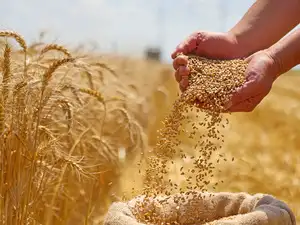
India is heading towards another record wheat planting season, supported by government incentives and favourable soil moisture conditions. However, the country’s final wheat production will depend heavily on how weather conditions develop during the crop’s growing period, particularly as climate models point to the possibility of an El Niño weather pattern in April and May.
The Food and Agriculture Organization (FAO) has highlighted the importance of weather in determining the final outcome of India’s wheat crop. Although expanding the area under cultivation creates the potential for a larger harvest, planting figures alone cannot guarantee record production. Rainfall patterns, temperature fluctuations and the availability of water during critical growth stages will all influence yields.
India’s wheat crop is particularly important because the grain is a major part of the country’s food supply and agricultural economy. A strong harvest can support domestic availability, government procurement and food distribution programmes. Conversely, weather-related damage could put pressure on supplies even when farmers have planted wheat across a record area.
Government Incentives Support Record Wheat Plantings
Government support is among the major factors encouraging farmers to expand wheat cultivation. Financial incentives, including support for agricultural inputs and policies aimed at making wheat cultivation more attractive, can influence farmers’ decisions when choosing which crops to grow.
Minimum support prices and other agricultural support measures are particularly relevant to wheat farmers. These arrangements can provide greater confidence about the potential returns from cultivation, especially for producers who sell a substantial portion of their harvest through government procurement channels.
Favourable soil moisture conditions are providing another reason for optimism. Adequate moisture at the time of sowing can help seeds establish successfully and support early crop development. When combined with timely planting and access to irrigation, these conditions can give farmers a stronger starting position for the growing season.
However, a larger planted area does not automatically translate into an equally large increase in production. The final harvest depends on how well crops develop after sowing and whether weather conditions remain favourable through the stages of flowering, grain formation and maturity.
For this reason, the record planting outlook should be viewed as an encouraging early indicator rather than a guarantee of record wheat output.
Why India’s Wheat Production Matters
Wheat is one of India’s most important food crops and a central component of its Food Security system. It is widely consumed in the form of chapatis, breads and other staple foods, making domestic production important for households across the country.
The crop is also significant for government procurement. Public agencies purchase wheat from farmers to maintain stocks that can support food distribution programmes and help manage domestic availability.
A strong harvest can benefit farmers, strengthen government reserves and improve the country’s ability to manage fluctuations in food supplies. It can also reduce the need to rely on imports when domestic production is insufficient to meet demand.
However, production shortfalls can create pressure across several parts of the agricultural economy. Lower yields may affect farmers’ incomes, procurement operations and the availability of wheat for consumers and food-processing businesses.
India’s wheat output therefore has implications beyond the agricultural sector. Its performance can influence food prices, government stock management and broader food security planning.
Weather Will Determine Whether Record Plantings Deliver Record Output
Despite the positive planting outlook, weather remains one of the biggest uncertainties for India’s wheat crop. Conditions during the growing season can influence how much grain farmers eventually harvest from each hectare.
Soil moisture and rainfall are important during different stages of crop development. Adequate water supports germination and early growth, while favourable conditions later in the season help crops develop healthy grain. Excessive rainfall, flooding or prolonged periods of unfavourable weather can create problems even when the crop begins the season in good condition.
Temperature is another important factor. Wheat is a winter crop in India, generally sown during the cooler months and harvested in spring. Persistently high temperatures towards the end of the growing season can accelerate crop maturity and shorten the period available for grain development.
This can reduce grain weight and affect final yields. As a result, farmers and agricultural authorities will need to monitor both rainfall and temperature patterns as the crop progresses.
The difference between a record planted area and a record harvest will ultimately depend on whether the crop receives suitable conditions throughout its development.
El Niño Risk: Why April and May Weather Matters
The possible influence of El Niño is an important part of the weather outlook. El Niño is a climate phenomenon involving unusually warm sea-surface temperatures in the central and eastern equatorial Pacific Ocean. It can influence atmospheric circulation and change rainfall and temperature patterns across different parts of the world.
Its effects are not identical in every region or during every event. The timing, strength and wider atmospheric conditions associated with an El Niño episode can determine how individual agricultural areas are affected.
For India’s wheat-growing regions, rainfall patterns during April and May could be particularly important. The supplied outlook points to the possibility of above-average rainfall in some key wheat-growing areas during this period, although the distribution and intensity of precipitation will matter as much as the overall amount.
Moderate and well-distributed rainfall can support soil moisture and benefit agricultural activity. However, excessive precipitation can create a different set of problems. Heavy rain may cause waterlogging, flooding and damage to crops, particularly in areas where drainage is inadequate.
This creates a complicated weather outlook for farmers. More rainfall is not automatically beneficial, just as below-average rainfall does not necessarily lead to crop failure. The impact depends on when the rain arrives, how much falls and whether fields can manage the additional water.
April and May are also important because they overlap with the later stages of the wheat production cycle in India. Weather disruptions close to maturity and harvest can affect crop quality, harvesting operations and the amount of grain that can be collected successfully.
Could Heavy Rainfall and Flooding Affect the Wheat Harvest?
While the prospect of additional rainfall may improve moisture availability, excessive precipitation can expose agricultural areas to flooding risks.
Heavy rain can damage standing crops, create waterlogging and make it difficult for farmers to access fields. If rainfall coincides with crop maturity or harvesting, it can also disrupt harvesting schedules and affect the quality of harvested grain.
The impact will depend on local conditions. Areas with effective drainage may manage periods of heavy rainfall more successfully than locations where water accumulates in agricultural fields.
Flooding can also have consequences beyond individual farms. Damage to rural roads, storage facilities and transport links may complicate the movement of harvested wheat to procurement centres and markets.
For farmers, the timing of rainfall is therefore critical. Precipitation that benefits crops during one stage of development may become disruptive if it arrives in excessive amounts close to harvest.
Snow Cover Could Benefit Winter Crops and Water Reserves
Expected precipitation could also have implications for snow cover in relevant agricultural and water catchment regions. Adequate snow cover can help protect overwintering crops from extreme cold and contribute to water availability as accumulated snow melts.
Snow accumulation in mountain regions is also important for river systems and water resources. When snow melts, the resulting water can contribute to river flows and help replenish reservoirs, depending on the location and prevailing conditions.
Reservoir levels matter for Indian Agriculture because irrigation supports a substantial share of wheat cultivation. Water stored in reservoirs can help maintain irrigation supplies during periods when rainfall is limited.
Improved water availability can therefore benefit agricultural planning beyond the immediate wheat season. It may also support other crops and help reduce pressure on water resources during drier periods.
However, the benefits will depend on where precipitation occurs, how much snow accumulates and how water flows into rivers and reservoirs. Heavy precipitation does not automatically translate into greater usable water supplies, particularly if it causes flooding or rapid runoff.
How Soil Moisture and Irrigation Influence Wheat Yields
Soil moisture is a critical factor in establishing a healthy wheat crop. Adequate moisture at sowing supports germination and helps young plants develop. It can also reduce the immediate dependence on irrigation during the early stages of cultivation.
As the crop grows, water availability becomes important for maintaining healthy plant development and supporting grain formation. Farmers in irrigated regions can use available water supplies to reduce the impact of irregular rainfall, although the effectiveness of irrigation depends on access to water and the timing of its application.
Reservoir replenishment can therefore influence agricultural prospects over a longer period. If rainfall and snowmelt improve water availability, irrigation systems may have greater flexibility when crops need additional moisture.
Nevertheless, water availability alone cannot guarantee higher production. Temperature extremes, crop diseases, input costs and other agricultural conditions can also influence yields.
The combination of government incentives, favourable soil moisture and reliable irrigation provides a positive foundation for India’s wheat crop. Weather conditions during the later stages will determine how much of that potential is converted into actual production.
What Farmers and Agricultural Authorities Will Need to Monitor
The coming months will require close monitoring of several factors that could influence the final wheat harvest. The record planting outlook provides a strong starting point, but the weather outlook means that agricultural authorities cannot rely on acreage figures alone when assessing production prospects.
- Rainfall distribution: Authorities will need to monitor whether precipitation is evenly distributed across important wheat-growing areas or concentrated in locations vulnerable to heavy rainfall.
- Flooding and waterlogging: Excessive rainfall could damage crops and disrupt harvesting, particularly in areas with inadequate drainage.
- Temperature patterns: High temperatures during the later stages of crop development could affect grain formation and reduce yields.
- Soil moisture: Continued availability of moisture will be important for crop development and irrigation planning.
- Snow cover and reservoir levels: Precipitation and snowmelt could influence water availability for irrigation and other agricultural requirements.
- Harvest conditions: Weather around maturity and harvesting will help determine both the quantity and quality of the final crop.
These factors will help determine whether India’s expanded wheat cultivation translates into a larger harvest or whether weather-related losses reduce the expected gains.
What a Record Wheat Harvest Could Mean for India’s Food Security
If favourable conditions continue and the country achieves a strong harvest, India could benefit from improved domestic wheat availability. Higher production can strengthen government procurement and provide additional flexibility in managing foodgrain stocks.
For farmers, a successful harvest can mean greater marketable output and an opportunity to benefit from government support mechanisms. For consumers, stronger domestic supplies can help improve the availability of an important staple food.
Government stocks also play an important role in the country’s food distribution system. Procurement helps build reserves that can be used to supply eligible households through public food programmes and manage domestic market requirements.
However, a record planted area does not remove the risks associated with weather uncertainty. If excessive rainfall, flooding or unfavourable temperatures affect important growing regions, the final harvest could fall short of early expectations.
The difference between the potential crop and the actual output will be especially important for policymakers assessing procurement targets, storage requirements and food supply planning.
India’s Wheat Outlook Remains Positive but Weather-Dependent
India’s expected record wheat plantings represent an encouraging development for the country’s agricultural sector. Government incentives and favourable soil moisture have supported farmers’ decisions, creating the potential for another strong production season.
Yet the final outcome remains closely linked to weather conditions. The possible influence of El Niño during April and May adds uncertainty, particularly because rainfall can bring both benefits and risks depending on its intensity, timing and location.
Additional precipitation and adequate snow cover could support overwintering crops and contribute to reservoir replenishment. At the same time, excessive rain and flooding could damage crops or interfere with harvesting operations.
For now, the planting outlook provides a positive foundation, but it is too early to treat a record harvest as certain. India’s final wheat output will depend on how successfully the crop moves through the remaining stages of development and whether weather conditions remain favourable when the harvest approaches.
For breaking news and live news updates, like us on Facebook or follow us on Twitter and Instagram. Read more on Latest Business on thefoxdaily.com.






COMMENTS 0