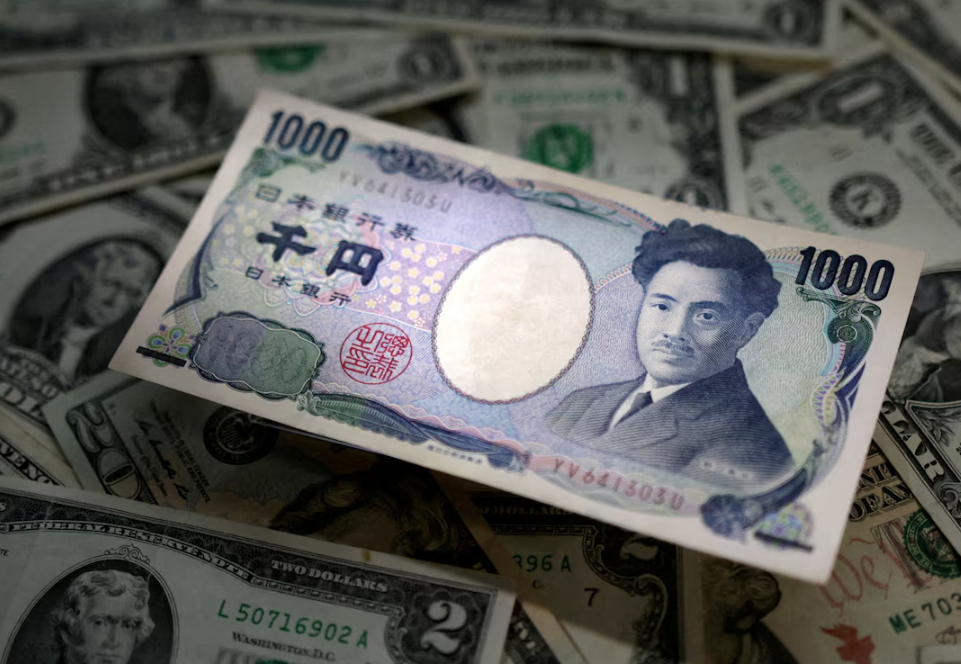
Japan has reiterated its commitment to maintaining orderly movements in the yen as the currency weakened following the latest U.S. Federal Reserve interest rate decision. Tokyo also signalled that it will continue close communication with the United States on currency-market developments.
The yen fell to around 155.50 per U.S. dollar in Asian trading on Thursday, moving further away from a seven-month high of 152.89 reached earlier in September. The latest decline came after the Federal Reserve raised interest rates on Wednesday, triggering a broad rise in the U.S. dollar.
Japanese officials have stressed that their position on excessive currency volatility has not changed since Japan and the United States carried out a rare joint intervention in the foreign-exchange market at the end of July.
Japan Reaffirms Its Currency-Market Stance
Chief Cabinet Secretary Minoru Kihara said Japan would continue communicating closely with the U.S. Treasury Department while working to maintain an orderly Currency Market.
The comments came after renewed weakness in the yen raised attention among investors following its recent recovery. Japanese authorities have previously expressed concern about excessive and disorderly currency movements, particularly when rapid changes affect households, businesses and import costs.
The latest comments indicate that Tokyo continues to monitor the yen closely rather than treating any particular exchange-rate level as its sole objective.
| Indicator | Latest reported development |
|---|---|
| Yen level | Around 155.50 per U.S. dollar |
| Recent yen high | 152.89 per dollar earlier in September |
| Earlier July low | Near 164 per dollar |
| Japan-US communication | Close communication with the U.S. Treasury to continue |
| July intervention | Japan and the U.S. conducted joint yen-buying intervention on July 31 |
| Expected BOJ rate | 1.25%, according to the Reuters report |
Why the Yen Weakened After the Federal Reserve Decision
The yen’s latest decline followed a broad strengthening of the U.S. dollar after the Federal Reserve’s interest-rate decision.
Exchange rates are strongly influenced by differences between interest rates and expectations for future monetary policy. When investors expect U.S. interest rates to remain relatively attractive compared with Japanese rates, demand for dollar-denominated assets can increase.
That dynamic can put downward pressure on the yen even when the Bank of Japan is also moving toward higher interest rates.
The yen had previously strengthened to 152.89 as markets increased expectations that the BOJ would accelerate its rate-hiking cycle. The subsequent move toward 155.50 demonstrates how quickly currency markets can respond to changes in expectations about the relative paths of U.S. and Japanese monetary policy.
Japan and US Conducted Joint Yen Intervention in July
Japan and the United States carried out a rare joint yen-buying intervention on July 31. The move came after the yen had approached a 40-year low near 164 per dollar earlier in July.
The intervention pushed the yen significantly higher and was accompanied by a warning that further action could be taken if necessary.
Japan’s latest statements indicate that the underlying policy stance established around that intervention remains unchanged.
However, intervention and monetary policy operate through different channels. Currency intervention directly affects foreign-exchange market demand and supply, while interest-rate policy influences borrowing costs, investment decisions and the relative attractiveness of financial assets over time.
What Japanese Officials Mean by “Orderly” Currency Moves
The government’s focus is on excessive currency volatility rather than simply defending a specific exchange rate.
Large and rapid exchange-rate swings can make it harder for companies to plan costs and revenues, especially businesses involved in international trade. Currency movements can also affect the domestic prices of imported energy, food and raw materials.
For Japan, the exchange rate is particularly important because changes in the yen can influence import costs and inflation.
A weaker yen can increase the domestic-currency cost of imported goods, while a stronger yen can reduce those costs. This creates an important link between foreign-exchange policy and the broader inflation outlook.
Finance Minister Highlights Excessive Volatility
Finance Minister Satsuki Katayama separately said Japan had expressed its determination to address excessive currency volatility when the joint intervention was launched.
Her comments reinforce the distinction between managing disorderly market conditions and targeting a particular yen level.
The Japanese government is therefore continuing to monitor currency movements while maintaining communication with U.S. authorities.
BOJ Rate Decision Becomes the Next Major Focus
The Bank of Japan is expected to raise its policy rate to 1.25%, according to the Reuters report, which would take rates to their highest level in 31 years.
The rate increase itself is already widely anticipated by markets. Consequently, the reaction in the yen may depend less on the immediate rate decision and more on what BOJ Governor Kazuo Ueda says about future policy.
Analysts cited in the report said that a widely expected rate increase may not provide lasting support for the yen if Ueda delivers a less aggressive message about future rate increases.
This makes forward guidance particularly important for currency traders.
Why BOJ Guidance Matters for the Yen
Interest-rate markets respond not only to current rates but also to expectations about where rates could go next.
If the BOJ signals that additional increases could follow relatively quickly, investors may adjust their expectations for the future interest-rate gap between Japan and the United States.
On the other hand, if the central bank signals a slower pace of tightening, the immediate rate increase could have a more limited effect on the yen.
This is why Governor Ueda’s communication could become an important market event alongside the rate decision itself.
| Factor | Potential currency-market channel |
|---|---|
| Higher BOJ rates | Can improve the relative attractiveness of yen assets |
| Slower future BOJ hikes | Could limit the impact of a current rate increase |
| Higher U.S. rates | Can support demand for dollar assets relative to yen assets |
| Strong dollar | Can contribute to renewed yen weakness |
| Currency intervention | Can directly influence foreign-exchange market demand and supply |
| Oil and import prices | Yen movements can influence Japan’s domestic import costs |
Japan Wants Close Coordination With the United States
Japan’s commitment to communication with the U.S. Treasury is significant because the dollar-yen exchange rate is influenced by monetary policy decisions in both countries.
The Federal Reserve and BOJ are currently operating in different economic environments and adjusting policy according to their respective inflation and growth conditions.
For currency markets, this creates a constantly changing interest-rate differential. Even when the BOJ raises rates, the yen may weaken if U.S. rates or expectations for U.S. rates rise faster than Japanese rates.
Regular communication between the two governments can therefore help authorities monitor excessive volatility and understand the broader effects of major policy changes.
Yen Movement Has Wider Economic Effects
The yen’s exchange rate affects more than financial markets.
For Japanese importers, a weaker yen can increase the cost of goods priced in dollars. Energy is particularly important because international oil and other commodity prices are generally quoted in U.S. dollars.
For exporters, currency movements can have different effects because overseas revenue translated back into yen can become more valuable when the yen weakens.
The overall economic impact therefore varies across industries and companies depending on their exposure to imports, exports, overseas production and foreign-currency revenues.
Why the Current Yen Move Is Being Closely Watched
The yen’s movement from 152.89 to around 155.50 comes after a period in which investors had increased expectations for faster BOJ tightening.
That makes the currency’s reaction an important indicator of how markets interpret the relative policy direction of the Fed and BOJ.
If the dollar continues strengthening, Japanese officials could face renewed pressure to monitor exchange-rate volatility. At the same time, a higher BOJ policy rate could provide some support if investors believe further increases are likely.
The interaction between these forces means that the yen may remain sensitive to central-bank communication, economic data and changes in global risk sentiment.
What Investors Will Watch Next
Several developments could influence the yen and dollar-yen exchange rate in the near term:
- The BOJ’s decision on its policy rate.
- Governor Kazuo Ueda’s comments about the future pace of rate increases.
- U.S. interest-rate expectations following the Federal Reserve’s decision.
- Japanese government statements about excessive currency volatility.
- Communication between Japan and the U.S. Treasury.
- Any indications of renewed foreign-exchange intervention.
- Changes in energy prices and their impact on Japan’s import costs.
Japan’s Yen Policy: Key Takeaways
- Japan says it will continue working to maintain orderly yen movements through close communication with the United States.
- The yen fell to around 155.50 per dollar after the latest Federal Reserve decision triggered broader dollar strength.
- Japan and the United States conducted a rare joint yen-buying intervention on July 31 after the currency approached a 40-year low.
- The BOJ’s expected move to a 1.25% policy rate makes Governor Ueda’s guidance on future hikes particularly important for the yen.
- Currency movements can influence Japan’s import costs, inflation and the financial outlook for companies with international exposure.
Conclusion
Japan is maintaining a close watch on the yen after the currency weakened following the Federal Reserve’s latest interest-rate decision. Government officials have reiterated that their approach toward excessive currency volatility has not changed since the joint intervention with the United States in July.
The next major test will come from the Bank of Japan. While the expected move toward a 1.25% policy rate is important, the market response could depend heavily on Governor Kazuo Ueda’s assessment of future monetary tightening.
At the same time, the direction of the U.S. dollar will remain a major influence on the yen. The combination of BOJ policy, Federal Reserve expectations, government communication and global energy prices will therefore remain central to the outlook for Japan’s currency market.
For breaking news and live news updates, like us on Facebook or follow us on Twitter and Instagram. Read more on Latest Business on thefoxdaily.com.






COMMENTS 0