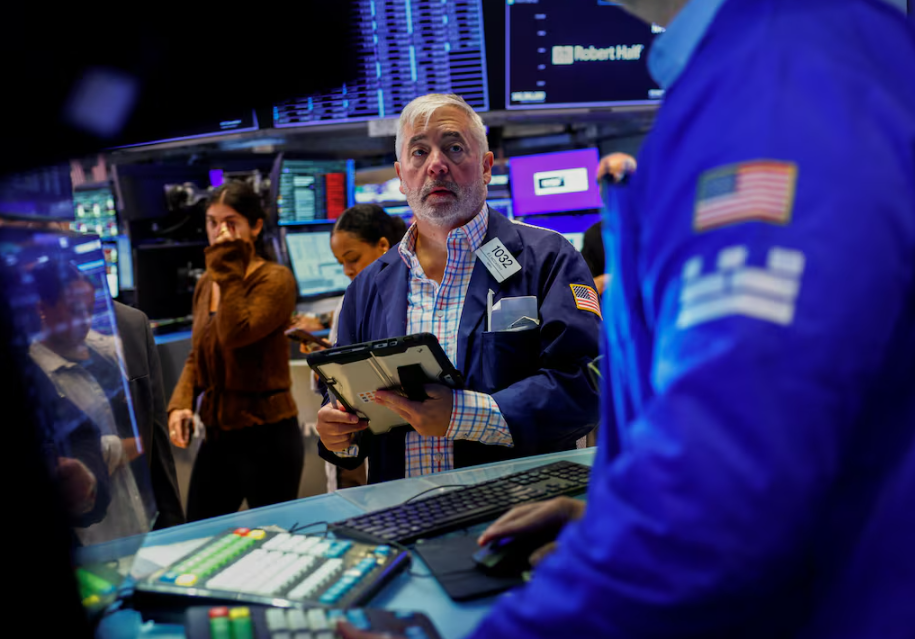
The Nasdaq Composite reached a new intraday record on Tuesday, September 22, as technology shares regained momentum and falling oil prices helped improve investor sentiment. The milestone marked the index’s first intraday record since early June, highlighting a recovery following a period of market volatility.
The technology-heavy index rose as much as 0.33% to approximately 27,212.68, surpassing its previous intraday record of 27,190.21, set on June 1. The move reflected renewed demand for technology stocks amid continued interest in Artificial Intelligence and resilient corporate earnings.
Nasdaq Reaches a New Intraday Milestone
The Nasdaq’s latest record marked a significant recovery from its decline in late July, when the index briefly fell more than 10% from its intraday peak. At that time, investors were concerned that heavy spending on artificial intelligence infrastructure might not generate profits as quickly as expected.
The index’s return to record territory came as technology shares regained ground and broader market sentiment improved. The Nasdaq was the last of the three major US stock indexes to reach a new record after the S&P 500 and Dow Jones Industrial Average set records in early August.
Falling Oil Prices Support Investor Sentiment
Declining oil prices helped support the market rally. Crude prices fell to a two-week low as expectations of increased oil supplies from the Gulf eased concerns about supply disruptions.
Iran signaled that it could reopen the Strait of Hormuz soon, contributing to optimism across global markets. The strategic waterway is an important route for energy shipments, making developments around its accessibility relevant to oil-market expectations.
Lower oil prices can ease concerns about inflation and energy costs, although the broader economic impact depends on how prices develop and how central banks and businesses respond. On Tuesday, retreating oil prices helped improve risk appetite among investors.
Artificial Intelligence Demand Keeps Technology Stocks in Focus
Technology shares remained central to the US market’s performance, supported by continued demand for artificial intelligence-related products and services. Corporate earnings also remained resilient, helping sustain investor interest in the sector.
AI-related investment has been a major theme in the technology market. However, concerns about the profitability of large-scale AI spending contributed to volatility earlier in the year, as investors questioned how quickly companies could turn their investments into financial returns.
The Nasdaq’s recovery suggests that investors were again buying technology shares, even as questions about the long-term returns from AI infrastructure spending remained relevant.
AMD’s $1 Trillion Valuation Highlights Chip Sector Momentum
Chipmaker Advanced Micro Devices, commonly known as AMD, topped a $1 trillion market valuation on Monday as semiconductor shares surged. The rally also pushed the Philadelphia Semiconductor Index to a more than one-month high.
The semiconductor index had previously entered bear-market territory on July 17, after ending more than 20% below its record closing level. Its subsequent advance reflected a sharp rebound in a sector closely linked to demand for computing hardware and AI infrastructure.
AMD’s market-value milestone underscored the renewed attention on chip companies. Semiconductor firms have been important participants in the AI investment cycle, although their share prices can also be sensitive to changing expectations about demand, earnings and valuations.
Bond Yields and Government Debt Remain Market Concerns
The technology rally followed a period of pressure from rising oil prices and concerns about growing government debt. Earlier in September, US Treasury yields climbed to multi-year highs, weighing on high-growth stocks, including memory-chip companies that had experienced substantial gains during the year.
Higher bond yields can affect how investors value growth-oriented companies because future earnings become less attractive when compared with higher returns available from bonds. This can create pressure on stocks whose valuations depend heavily on expectations of future growth.
Although technology shares recovered, movements in Treasury yields, energy prices and government borrowing concerns remained important factors for investors to monitor.
How the Major US Stock Indexes Performed
US stocks opened higher on Tuesday, with all three major indexes recording gains shortly after the market opened.
- Dow Jones Industrial Average: Rose 155.42 points, or 0.30%, to 52,204.25.
- S&P 500: Gained 14.39 points, or 0.19%, to 7,779.09.
- Nasdaq Composite: Added 89.57 points, or 0.33%, to 27,211.66.
The Nasdaq’s intraday record was particularly notable because the S&P 500 and Dow had already reached record highs in early August. The technology-heavy index’s recovery brought it back into record territory after its late-July pullback.
Market Breadth Shows More Advancing Stocks
Market breadth was positive during the session, with advancing stocks outnumbering declining stocks on both major US exchanges.
- New York Stock Exchange: Advancing issues outnumbered decliners by 1.88 to 1.
- Nasdaq exchange: Advancing issues outnumbered decliners by 1.78 to 1.
However, the number of stocks reaching new highs and lows showed a more mixed picture. The S&P 500 recorded no new 52-week highs and five new lows, while the Nasdaq Composite registered 12 new highs and 26 new lows.
These figures indicate that the broader market’s positive opening did not mean every stock was participating equally in the advance.
What the Nasdaq Record Means for Investors
The Nasdaq’s intraday record reflects a recovery in technology shares following concerns about AI spending, rising bond yields and higher energy prices. Renewed investor interest in semiconductor companies and continued expectations for AI demand helped support the index.
At the same time, the session’s gains do not remove the risks facing technology stocks. Investors continue to assess whether AI-related spending can translate into sustainable earnings growth, while Treasury yields, oil prices and geopolitical developments may influence market sentiment.
The latest milestone therefore represents a notable recovery in the Nasdaq, while the durability of the advance will depend on developments in corporate earnings, technology demand and broader economic conditions.
Frequently Asked Questions
Why did the Nasdaq hit an intraday record high?
The Nasdaq rose as technology stocks recovered, AI demand remained strong and falling oil prices improved investor risk appetite.
What level did the Nasdaq reach on September 22, 2026?
The index touched approximately 27,212.68 intraday, exceeding its previous intraday record of 27,190.21, set on June 1.
How did falling oil prices affect the stock market?
Lower oil prices helped ease supply-related concerns and supported improved investor sentiment across global markets.
Why are AI stocks important to the Nasdaq?
Technology and semiconductor companies connected to AI have been important contributors to US market performance, supported by demand for computing hardware and AI-related services.
What happened to AMD’s market valuation?
AMD surpassed a $1 trillion market valuation on Monday as semiconductor stocks rallied.
Which major US indexes had already reached record highs?
The S&P 500 and Dow Jones Industrial Average had reached record highs in early August, before the Nasdaq’s latest intraday milestone.
Why can rising Treasury yields pressure technology stocks?
Higher yields can make future corporate earnings less attractive relative to bond returns, potentially weighing on valuations of growth-oriented companies.
Did all stocks rise during the session?
No. Advancing stocks outnumbered declining stocks on both the NYSE and Nasdaq, but the exchanges still recorded stocks reaching new 52-week lows.
For breaking news and live news updates, like us on Facebook or follow us on Twitter and Instagram. Read more on Latest Business on thefoxdaily.com.






COMMENTS 0