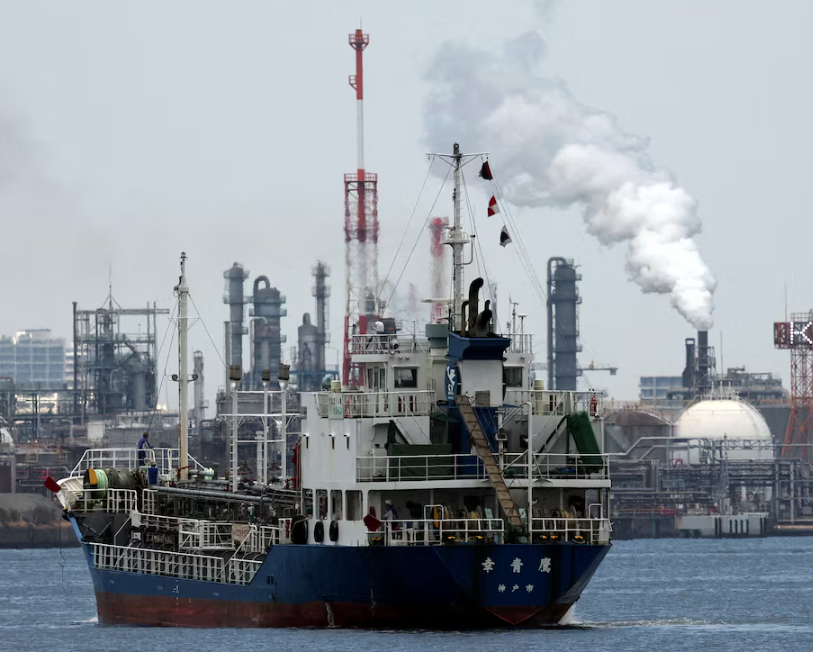
Oil Prices climbed for a second consecutive session on Tuesday as concerns about potential disruptions to Middle East energy supplies continued to outweigh signs that crude exports from major producers were recovering.
Brent Oil Rises Above $106 a Barrel
Brent crude futures rose $1.49, or 1.4%, to $106.77 a barrel by 0326 GMT on Tuesday. US West Texas Intermediate crude also moved higher, gaining $1.34, or 1.5%, to $93.94 a barrel.
Both benchmarks had already gained close to $1 a barrel during the previous session. The latest increase extended a period of heightened volatility in global Energy Markets as traders assess the potential impact of the US-Iran conflict on crude production and shipping.
The rise shows that concerns about future supply remain powerful enough to offset evidence that more oil is currently leaving the Middle East.
Middle East Supply Disruption Remains the Main Concern
The central issue for oil markets remains uncertainty surrounding the security of energy supplies from the Middle East. The region is home to some of the world’s largest oil producers and accounts for a significant share of global crude exports.
Any disruption to production, transportation or shipping routes can therefore have an immediate effect on global oil prices.
Markets have been particularly focused on the Strait of Hormuz, a strategically important shipping route through which large volumes of oil and gas move. Continued uncertainty surrounding the waterway has increased the risk premium built into crude prices.
Even when actual supply losses are limited, traders can push prices higher when they believe the probability of future disruptions has increased.
Crude Exports From the Gulf Are Recovering
There are signs that crude exports from major Middle Eastern producers are recovering despite the conflict.
Preliminary data from energy data provider Kpler showed that crude exports from major Middle Eastern producers reached approximately 12.8 million barrels per day in September. That was the highest level since February.
Higher shipments from Saudi Arabia and the United Arab Emirates helped drive the increase.
However, the recovery in exports has not eliminated concerns about supply reliability. Some shipments are reportedly relying on alternative arrangements rather than normal transportation routes.
Why Oil Prices Are Still High Despite Higher Exports
According to KCM Trade chief analyst Tim Waterer, a clearer picture is emerging of higher oil export volumes from the Gulf. However, some of the additional shipments depend on workarounds such as ship-to-ship transfers.
Such arrangements can be less efficient and more expensive than standard shipping operations. As a result, increased export volumes do not necessarily mean that the underlying supply risk has disappeared.
The market is therefore pricing not only the amount of oil being exported but also the difficulty and uncertainty involved in moving that oil to international buyers.
This distinction is important because crude prices can remain elevated even when headline export volumes improve.
US-Iran Talks Put Oil Market on Alert
Diplomatic efforts to end the conflict are another major factor influencing oil prices.
US and Iranian officials have spoken separately with mediators as both sides explore another attempt to reach an agreement. Officials from both countries said discussions had taken place, while further negotiations are expected to focus on a modified version of a seven-day proposal presented by Iran the previous week.
Any progress toward an agreement could potentially reduce concerns about supply disruptions and shipping risks. However, uncertainty surrounding the negotiations means traders are continuing to price in the possibility of further disruption.
UOB analysts said the US-Iran standoff and its potential effects on energy prices and inflation expectations remain the dominant risks for the oil market.
Strait of Hormuz Remains Critical to Oil Markets
The Strait of Hormuz has become one of the most closely watched locations in the global energy market.
The narrow waterway is a major route for oil and gas shipments from the Gulf. Any sustained disruption could affect the availability and transportation costs of crude supplies reaching international markets.
The current conflict has therefore made the condition of the Strait particularly important for traders. Even uncertainty about its future operation can influence crude prices because buyers and sellers must consider the possibility of delays or changes to shipping routes.
For countries that depend heavily on imported energy, prolonged disruption could also increase inflationary pressure and raise import costs.
Seven Months of Conflict Keeps Supply Risks Elevated
The conflict has continued for months, keeping energy markets focused on the possibility of further disruption.
The war began in late February following US and Israeli attacks on Iran. Since then, the potential impact on regional energy infrastructure and shipping routes has remained a central issue for global oil traders.
The longer the conflict continues, the more important the stability of major export routes becomes. Traders must consider not only current production but also whether future shipments can move safely and efficiently.
Oil Prices Are Also Linked to Inflation Expectations
Oil prices matter far beyond the energy sector. Crude is a key input for transportation, manufacturing and numerous industrial processes.
When crude prices rise significantly, businesses can face higher fuel and transportation expenses. Depending on market conditions, those additional costs can eventually be passed on to consumers.
Higher energy prices can therefore contribute to broader inflation expectations. This is one reason central banks and financial markets closely monitor major oil-price movements.
UOB analysts highlighted the connection between the US-Iran standoff, energy prices and inflation expectations, showing why geopolitical developments are influencing financial markets beyond the oil industry.
US Considers Red-Dyed Diesel Sales Changes
Separately, the United States is considering regulatory relief that could allow broader sales of red-dyed diesel as policymakers look for ways to reduce fuel prices.
People familiar with the discussions told Reuters that the proposal could allow some buyers to avoid the federal fuel tax. The measure has emerged as an alternative to a possible diesel export ban.
Red-dyed diesel is generally intended for uses that are not subject to the same federal fuel-tax treatment as diesel used on public roads. Expanding its availability could therefore affect the cost structure for some fuel consumers.
The proposal reflects the pressure that elevated energy prices are placing on policymakers. Governments are increasingly examining measures that could reduce fuel costs while avoiding policies that might create additional disruptions in energy markets.
Why a Diesel Export Ban Is Being Considered
A possible diesel export restriction has been discussed as another way of increasing domestic fuel availability. However, such a move could have wider consequences for refiners and international fuel markets.
The alternative involving red-dyed diesel would approach the problem through changes to domestic fuel rules rather than directly restricting exports.
The discussions remain part of the broader US response to elevated energy prices, and the final policy could influence regional fuel markets depending on its scope.
Saudi Arabia and UAE Support Higher Export Volumes
The increase in Middle Eastern crude exports during September is particularly notable because Saudi Arabia and the United Arab Emirates contributed to the higher shipments.
Both countries are major oil producers and have significant influence on global crude supply. Higher exports from them can provide additional barrels to international markets and help offset supply disruptions elsewhere.
However, the market response shows that higher exports alone are not enough to remove concerns. Transportation risks, alternative shipping arrangements and geopolitical uncertainty remain important factors in determining the final price of crude.
What Oil Traders Are Watching
Oil traders are likely to monitor several developments closely in the coming sessions.
- US-Iran negotiations: Progress or setbacks in diplomatic discussions could quickly influence supply expectations.
- Strait of Hormuz: Any disruption to the shipping route could create additional pressure on crude prices.
- Middle East exports: Higher shipments could provide some relief if they continue without major disruptions.
- Shipping costs: Reliance on workarounds such as ship-to-ship transfers could keep transportation costs elevated.
- US fuel policy: Changes involving red-dyed diesel or exports could influence the domestic fuel market.
- Inflation expectations: Sustained high oil prices could affect expectations for inflation and monetary policy.
Impact on Global Energy Markets
The latest price increase demonstrates how geopolitical risk can remain embedded in energy markets even when physical oil supplies show signs of improvement.
Markets respond to both current supply and potential future disruptions. If traders believe that a major shipping route could become less reliable, they may continue paying a premium for crude even when production and exports are rising.
This creates a complicated environment for oil consumers. More barrels are reaching international markets, but the cost and risk of moving those barrels can remain elevated.
Impact on India and Other Oil Importers
Higher global crude prices can be particularly important for countries that import large quantities of oil.
When international crude prices rise, import costs can increase, potentially putting pressure on trade balances, currencies and domestic inflation. Higher energy costs can also affect transportation and production expenses for businesses.
For major oil-importing economies, sustained prices above $100 a barrel can therefore become a broader economic issue rather than simply an energy-market development.
Financial markets also tend to react to sharp oil-price movements because investors assess their potential effects on corporate earnings, inflation and interest rates.
Could Oil Prices Fall if Talks Progress?
A meaningful improvement in US-Iran negotiations could reduce some of the geopolitical premium currently incorporated into oil prices.
If markets become more confident that energy infrastructure and shipping routes will remain secure, traders could place greater emphasis on recovering export volumes and other supply fundamentals.
However, the timing and outcome of diplomatic efforts remain uncertain. Until there is greater clarity, supply disruption risks are likely to remain an important factor in oil-price movements.
What Happens Next for Oil Prices?
The immediate direction of crude prices will depend on the balance between improving physical exports and continued geopolitical risk.
September’s higher export volumes provide evidence that some Middle Eastern supply is recovering. At the same time, reliance on alternative shipping arrangements and uncertainty around the Strait of Hormuz continue to create risks.
Diplomatic developments between the United States and Iran will therefore remain particularly important. Any agreement that reduces the risk of further disruption could change market expectations, while continued uncertainty could keep crude prices elevated.
For now, Brent crude remains above $106 a barrel and US WTI is close to $94, underscoring the extent to which geopolitical concerns continue to influence global energy markets.
Frequently Asked Questions
Why are oil prices rising?
Oil prices are rising because concerns about potential Middle East supply disruptions linked to the US-Iran conflict continue to outweigh signs of recovering crude exports from the region.
What is the current Brent crude price?
Brent crude futures were around $106.77 a barrel after rising $1.49, or 1.4%, during Tuesday’s early trading.
What is the current WTI crude price?
US West Texas Intermediate crude was around $93.94 a barrel, up $1.34, or 1.5%, according to the reported market data.
Are Middle Eastern oil exports increasing?
Yes. Preliminary Kpler data showed crude exports from major Middle Eastern producers reached about 12.8 million barrels per day in September, the highest level since February.
Why is the Strait of Hormuz important for oil prices?
The Strait of Hormuz is a crucial shipping route for oil and gas supplies from the Gulf. Concerns about disruption to the waterway can increase the risk premium in global crude prices.
Are the US and Iran discussing a possible agreement?
US and Iranian officials have separately spoken with mediators in renewed efforts to end the conflict. Further discussions are expected to focus on a modified version of an earlier seven-day proposal from Iran.
Why does higher oil affect inflation?
Crude Oil is an important input for transportation and industry. Higher prices can raise fuel and production costs, potentially increasing prices for businesses and consumers and influencing inflation expectations.
What is the US considering for diesel prices?
The US is considering regulatory relief that could allow broader sales of red-dyed diesel. The proposal is being discussed as an alternative to a possible diesel export ban and could allow some buyers to avoid federal fuel tax.
For breaking news and live news updates, like us on Facebook or follow us on Twitter and Instagram. Read more on Latest Business on thefoxdaily.com.





COMMENTS 0