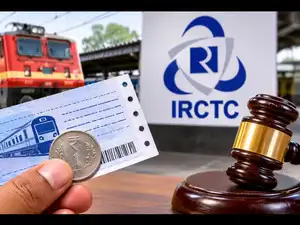
A Kerala passenger has won Rs 3,100 in compensation after approaching a consumer commission over a refund shortfall of just Re 1 on a cancelled train ticket. The District Consumer Disputes Redressal Commission in Kasaragod ruled that the failure to return the full amount amounted to a deficiency in service and directed the Indian Railway Catering and Tourism Corporation (IRCTC) to pay the outstanding amount, compensation and litigation costs.
The passenger had sought Rs 2 lakh in compensation from IRCTC. However, the consumer commission awarded a smaller amount, including Rs 100 for deficiency in service and Rs 3,000 towards litigation expenses. The ruling highlights how passengers can challenge even small discrepancies in railway ticket refunds through the consumer dispute redressal system.
Key Highlights
- A Kerala passenger approached the Kasaragod consumer commission over a Re 1 refund shortfall.
- The passenger had sought Rs 2 lakh in compensation from IRCTC.
- The commission directed IRCTC to refund the outstanding Re 1 with 9% annual interest.
- IRCTC was ordered to pay Rs 100 as compensation for deficiency in service and unfair trade practices.
- The corporation must also pay Rs 3,000 towards litigation costs, taking the total award to approximately Rs 3,100 plus interest and the outstanding refund.
How a Re 1 Refund Shortfall Led to a Consumer Complaint
The dispute began when a passenger from Kerala cancelled a train ticket on August 17, 2024. According to the complaint, IRCTC did not return the complete refundable amount and a difference of Re 1 remained unpaid.
Although the amount involved was small, the passenger decided to challenge the shortfall through the consumer dispute redressal system. The complaint brought attention to the responsibility of service providers to process refunds accurately, even when the outstanding amount is minimal.
The case was heard by the District Consumer Disputes Redressal Commission in Kasaragod, Kerala. The commission examined the refund dispute and concluded that the failure to return the remaining amount constituted a deficiency in service.
Passenger Sought Rs 2 Lakh Compensation from IRCTC
The passenger did not limit the complaint to the recovery of the missing Re 1. He also sought Rs 2 lakh in compensation from IRCTC, challenging the way the refund had been handled.
The complaint centred on the difference between the amount that should have been refunded and the amount actually returned. By approaching the consumer commission, the passenger sought accountability for what he considered an unfair service experience.
The commission did not grant the full compensation demanded. Instead, it directed IRCTC to return the outstanding amount, pay interest and provide limited compensation along with litigation expenses.
What the Consumer Commission Said About IRCTC’s Refund
The Kasaragod consumer commission treated the Re 1 shortfall as a deficiency in service. The ruling indicates that a service provider’s responsibility to deliver the promised service does not disappear simply because the financial difference is small.
In this case, the commission directed IRCTC to return the outstanding amount and pay interest from the date of ticket cancellation. It also awarded compensation for deficiency in service and unfair trade practices.
The decision demonstrates the role of consumer commissions in resolving disputes involving service providers. Passengers who believe that a railway refund has been incorrectly processed can consider using the appropriate grievance and consumer redressal channels.
How Much Did the Passenger Get from the Consumer Commission?
The commission ordered IRCTC to pay the passenger through four components. These include the original refund shortfall, interest, compensation and litigation costs.
- Refund of Re 1: IRCTC must return the outstanding Re 1 that was not included in the original refund.
- Interest at 9%: The corporation must pay interest at 9% on the outstanding amount from August 17, 2024, the date of ticket cancellation, until the amount is realised.
- Compensation of Rs 100: The passenger must receive Rs 100 for deficiency in service and unfair trade practices.
- Litigation costs of Rs 3,000: IRCTC must reimburse Rs 3,000 towards the passenger’s legal and litigation expenses.
The fixed compensation and litigation costs add up to Rs 3,100. The outstanding Re 1 and applicable interest are additional amounts, making the final payment slightly higher.
Why the Re 1 Refund Case Matters for Railway Passengers
The case highlights an important aspect of Consumer Rights: customers can raise complaints when a service provider fails to meet its obligations, even if the disputed amount is very small.
For railway passengers, refund calculations can depend on ticket status, cancellation timing and applicable railway rules. A passenger who notices a discrepancy should first check the ticket details and refund calculation before raising a complaint.
Keeping the original ticket, cancellation confirmation, refund transaction details and communication with IRCTC can help establish the facts of a dispute. These records may also be useful if the matter eventually reaches a consumer commission.
Indian Railways Ticket Cancellation and Refund Rules Revised in March 2026
The case also comes amid changes to Indian Railways‘ confirmed ticket cancellation and refund rules in March 2026. These rules are relevant because the amount returned after cancellation can depend on the applicable cancellation conditions.
Passengers should distinguish between a refund shortfall caused by an incorrect calculation and a deduction permitted under the railway cancellation policy. The Kasaragod case concerned an outstanding Re 1 that the consumer commission directed IRCTC to return.
Passengers planning to cancel confirmed tickets should check the latest official cancellation and refund conditions before submitting a request. They should also verify the amount credited to their account against the refund details provided by the booking platform.
What Passengers Should Do If IRCTC Refunds Are Incorrect
Passengers who believe they have received an incorrect refund should begin by reviewing their booking and cancellation information. The amount credited should be compared with the applicable refund calculation and cancellation conditions.
If a discrepancy remains, passengers can raise the issue through IRCTC’s customer support and grievance channels. They should retain screenshots or transaction records showing the ticket details, cancellation date, expected refund and amount received.
If the complaint is not resolved, consumers can explore the available consumer grievance redressal mechanisms. The Kerala passenger’s case shows that even a small refund dispute can be examined by a consumer commission when a service deficiency is established.
Conclusion: Small Refund Disputes Can Still Involve Consumer Rights
The Kasaragod consumer commission’s decision to award Rs 3,100 after a dispute over Re 1 highlights the importance of accurate refund processing by service providers. IRCTC has been directed to return the outstanding amount with 9% interest, pay Rs 100 in compensation and reimburse Rs 3,000 in litigation costs.
Although the passenger did not receive the Rs 2 lakh compensation originally sought, the ruling reinforces the principle that consumers can challenge deficiencies in services regardless of the amount involved. For railway passengers, checking refund calculations and keeping cancellation records can help resolve discrepancies and protect their consumer rights.
For breaking news and live news updates, like us on Facebook or follow us on Twitter and Instagram. Read more on Latest Business on thefoxdaily.com.




COMMENTS 0