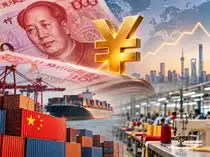
China’s strengthening yuan is creating a difficult challenge for the country’s export-driven economy. While a stronger currency can improve purchasing power and make imported goods cheaper, it also reduces the value of overseas earnings when exporters convert foreign revenue into yuan. For manufacturers already operating on thin profit margins, the change is adding pressure to an increasingly competitive business environment.
The currency has appreciated nearly 5% against the US dollar and around 9% against the euro during 2026, increasing concerns among businesses that depend on international customers. The pressure is particularly significant for labour-intensive industries, including textiles and household appliances, where companies often compete on price and have limited room to absorb higher costs.
The situation presents a policy dilemma for Beijing. International policymakers have argued that the yuan remains undervalued and that a stronger exchange rate could help address Global Trade imbalances. Chinese officials, however, are concerned that rapid appreciation could weaken export competitiveness, reduce manufacturers’ profits and threaten jobs.
China’s central bank has already taken steps to moderate the currency’s upward movement. The challenge is to manage the yuan without creating excessive market volatility or undermining confidence in the country’s broader financial system.
Chinese Exporters Face Mounting Pressure
A stronger yuan can make Chinese products more expensive for overseas buyers when their prices are expressed in foreign currencies. If an exporter continues charging the same dollar or euro price, the foreign revenue converts into fewer yuan as the domestic currency appreciates.
Companies can respond by increasing overseas prices, accepting lower margins or reducing production costs. Each option carries risks. Raising prices may make products less competitive, while absorbing the currency impact can further weaken already limited profits.
For smaller manufacturers, the problem can be especially difficult because they may have less financial flexibility than large multinational companies. Businesses supplying clothing, furniture, household appliances and other manufactured goods often operate in markets where buyers can quickly shift orders to alternative suppliers.
Exporters are also dealing with domestic competition and weak demand. Some manufacturers have increasingly relied on overseas customers to maintain production and sales, making them more exposed to exchange-rate movements.
Thin Profit Margins Leave Companies With Less Room to Absorb Currency Gains
The pressure is visible in the profitability of Chinese businesses. A Reuters analysis of 5,209 Chinese listed companies found that their median net profit margin stood at 4.9% during the first half of 2026. The comparable figure for 9,733 companies elsewhere was 8.9%.
The figures suggest that many Chinese businesses have limited room to absorb additional financial pressure. A stronger yuan can reduce the domestic value of overseas earnings, while competition and weak demand make it difficult for companies to pass higher costs on to customers.
The problem is not restricted to traditional exporters. Some strategic industries that Beijing expects to support future economic growth also operate with relatively low margins. A separate analysis cited by Reuters found margins of around 2% in sectors including electric vehicles, batteries, solar and wind equipment, and semiconductors.
These figures highlight a wider challenge for China’s industrial model. Expanding production and securing overseas market share do not necessarily translate into strong profitability, particularly when manufacturers compete aggressively on prices.
Jobs in Labour-Intensive Industries Could Be at Risk
Currency appreciation does not automatically lead to job losses, but a prolonged increase can force businesses to reconsider their production and staffing requirements. If exporters lose orders or cannot maintain acceptable margins, they may reduce output, delay expansion or cut operating costs.
Labour-intensive industries are particularly exposed because their competitiveness often depends on keeping production costs low. Textile manufacturers and household appliance producers may find it harder to absorb exchange-rate changes than businesses selling specialised products with stronger pricing power.
Any reduction in Manufacturing employment could also affect household consumption. Workers who lose jobs or face lower incomes may reduce spending, creating additional pressure on domestic businesses.
This matters because China is already dealing with relatively weak consumer demand and a prolonged property-market downturn. If export-sector difficulties spread to employment and household incomes, the effects could extend beyond individual manufacturers.
Why China’s Yuan Has Been Strengthening
The yuan’s appreciation has been supported by several factors, including strong export earnings, China’s large trade surplus and the conversion of foreign-currency holdings into the domestic currency.
When exporters receive payments in dollars or euros, they may convert part of those earnings into yuan to cover wages, suppliers, taxes and other domestic expenses. Greater demand for yuan can support its value in the foreign-exchange market.
Expectations of further appreciation can reinforce the trend. If businesses and investors believe the yuan will continue rising, they may convert foreign currency earlier or adjust their holdings, potentially adding to upward pressure.
China’s export performance has also contributed to the currency debate. Strong overseas sales have supported economic activity, but the resulting trade surplus has attracted criticism from trading partners concerned about the competitiveness of Chinese goods and the impact on their own industries.
Beijing Resists Currency Pressure
Chinese policymakers face competing demands. A stronger yuan could improve the purchasing power of Chinese households and make imported products less expensive. It could also respond to international concerns that China’s exchange rate gives its exporters an unfair advantage.
However, allowing the currency to appreciate too quickly could create difficulties for manufacturers that depend on overseas sales. Beijing is therefore seeking to manage the pace of currency movements rather than simply accepting continued appreciation.
The People’s Bank of China has repeatedly said that it wants the yuan to remain basically stable at a reasonable and balanced level. It has also rejected claims that China deliberately pursues competitive currency depreciation to gain an export advantage.
Central Bank Raises Foreign Exchange Reserve Requirement
One of the clearest recent signals came on November 3, when the People’s Bank of China announced that it would increase the foreign exchange reserve requirement ratio for financial institutions from 4% to 6%, effective November 15, 2026.
The measure requires financial institutions to hold a larger share of their foreign-currency deposits as reserves. By reducing the amount of foreign currency available within the banking system, the adjustment is expected to ease upward pressure on the yuan.
The increase marks the first adjustment of the requirement in nearly five years. It follows a period of currency appreciation and signals that the central bank is concerned about excessive one-way expectations in the foreign-exchange market.
The move does not represent a direct currency devaluation. Instead, it is a liquidity-management measure intended to influence foreign-exchange supply and demand and moderate the pace of the yuan’s gains.
China Is Unlikely to Accept Rapid External Pressure
International pressure for a stronger yuan has added another dimension to Beijing’s currency challenge. European policymakers and International Monetary Fund officials have argued that the currency remains undervalued, with concerns that China’s exchange-rate position contributes to trade imbalances.
China has pushed back against allegations that it deliberately keeps the yuan weak to support exports. The central bank has argued that the country’s trade performance reflects industrial development and manufacturing competitiveness rather than an artificially suppressed exchange rate.
Beijing is also cautious about proposals for coordinated currency adjustments similar to the 1985 Plaza Accord, under which major economies agreed to influence exchange rates. Chinese policymakers remain concerned about the potential economic disruption associated with a rapid appreciation.
The disagreement reflects a broader divide over how to address global trade imbalances. Some policymakers see exchange-rate adjustments as part of the solution, while others argue that China’s weak domestic demand and reliance on exports are deeper structural issues.
Why a Stronger Yuan Could Affect China’s Economic Growth
Exports have played an important role in supporting China’s economic expansion, particularly as domestic consumption and the property sector have faced difficulties. A prolonged loss of export competitiveness could therefore create additional challenges for economic growth.
China’s economy grew 4.5% year on year in the third quarter of 2026, supported by strong exports. However, retail sales increased only slightly, highlighting the uneven nature of the recovery.
If currency appreciation reduces exporters’ profits, manufacturers may become more cautious about hiring, investment and production. Lower business confidence could affect suppliers and other companies connected to export industries.
There is also a potential impact on domestic consumption. Manufacturing workers and their families form part of the wider consumer economy. If employment or wages come under pressure, household spending could weaken further.
At the same time, a stronger yuan can offer benefits. It increases the purchasing power of Chinese households and businesses when buying imported goods, raw materials and overseas services. It may also make foreign travel and international purchases less expensive for Chinese consumers.
The overall economic impact will therefore depend on how quickly the currency appreciates, how exporters adjust their prices and costs, and whether domestic demand becomes strong enough to support growth independently of overseas sales.
Can Chinese Exporters Adapt to the Rising Yuan?
Businesses have several ways to manage currency risks, although none completely removes the pressure of a sustained appreciation cycle.
One option is foreign-exchange hedging. Companies can use financial contracts to protect themselves against unfavourable currency movements, helping make future revenue and costs more predictable. Chinese financial regulators have encouraged greater use of such arrangements as the yuan has strengthened.
Manufacturers can also negotiate prices with overseas buyers, improve production efficiency or move towards products with higher profit margins. Companies with specialised products may have greater flexibility to adjust prices than businesses competing mainly on low-cost manufacturing.
However, these adjustments take time and may be difficult for smaller exporters. Businesses operating in highly competitive markets cannot always pass higher costs on to customers, while investments in automation, technology and product development require capital.
Some companies may also consider diversifying their export markets to reduce dependence on particular currencies or customers. Yet changing supply chains and building new overseas relationships can involve significant costs.
What to Watch in China’s Currency Policy
The direction of the yuan will depend on several factors, including export earnings, foreign-exchange demand, international trade relations and decisions by the People’s Bank of China.
The central bank’s latest reserve-requirement adjustment indicates that policymakers are prepared to use available tools to manage the pace of appreciation. Further adjustments could be considered if currency movements become unusually rapid or market expectations become one-sided.
For exporters, the key concern is not simply whether the yuan rises or falls, but whether exchange-rate movements remain predictable enough for businesses to plan prices, production and investment.
For Beijing, the challenge is more complicated. It must balance international criticism of its trade position with the domestic consequences of a stronger currency. A policy that satisfies overseas trading partners could create additional pressure on manufacturers, while measures that protect exporters may intensify trade disagreements.
China Faces a Delicate Balance Between Currency Strength and Jobs
China’s rising yuan reflects the strength of its export earnings and changing conditions in the foreign-exchange market. But the same appreciation is creating difficulties for manufacturers that depend on competitive overseas pricing and operate with limited profit margins.
The risks extend beyond corporate earnings. If exporters respond to sustained pressure by reducing production or employment, the effects could reach household incomes, domestic consumption and broader economic growth.
Beijing’s recent move to raise foreign exchange reserve requirements shows its intention to moderate the currency’s upward momentum without announcing a major change in its exchange-rate framework. The effectiveness of that approach will depend on market conditions and the strength of China’s underlying trade performance.
Ultimately, the yuan debate highlights a difficult question for China’s economy: how to maintain export competitiveness while responding to international demands for a more balanced global trading system. The decisions made by policymakers in the coming months could have important consequences for manufacturers, workers and the country’s growth outlook.
For breaking news and live news updates, like us on Facebook or follow us on Twitter and Instagram. Read more on Latest Business on thefoxdaily.com.






COMMENTS 0