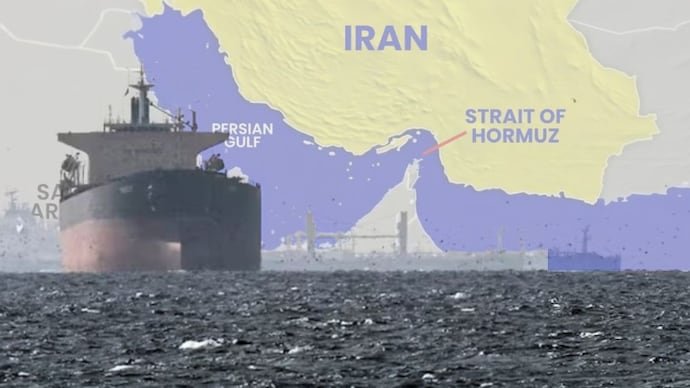
Negotiations between Iran and Oman over reopening the Strait of Hormuz have entered a significant phase, raising cautious optimism that commercial shipping through one of the world’s busiest energy corridors could gradually resume. According to regional officials, discussions are progressing on a framework that would establish separate inbound and outbound shipping lanes while addressing the security interests of both countries.
Although no final agreement has been announced, the talks come at a critical moment as the conflict in the Middle East continues to disrupt Global Trade, increase energy prices and create uncertainty for shipping companies operating in the region. Any eventual agreement could have consequences far beyond the Gulf, affecting Oil Markets, international commerce and diplomatic efforts aimed at reducing tensions.
Despite signs of progress, officials have stressed that several complex issues including Maritime Security, Sanctions and broader geopolitical considerations must still be resolved before shipping can fully return to normal.
Why the Strait of Hormuz Matters
The Strait of Hormuz is one of the world’s most strategically important waterways, serving as the primary maritime gateway between the Persian Gulf and the Gulf of Oman before connecting to international sea routes.
Before the current conflict disrupted navigation, approximately one-fifth of globally traded oil and gas passed through the strait, making uninterrupted access essential for global energy markets.
Because of its location, even limited disruptions can influence:
- Global oil prices.
- Natural gas supplies.
- International shipping costs.
- Supply chains for fuel-dependent industries.
- Economic stability in energy-importing nations.
The strategic importance of the waterway means developments in the Strait of Hormuz are closely watched by governments, shipping companies and financial markets worldwide.
What Iran and Oman Are Negotiating
According to regional officials familiar with the discussions, the proposed arrangement would establish separate routes for vessels entering and leaving the Persian Gulf.
Under the framework currently being discussed:
- Inbound ships would travel through a route administered by Iran.
- Outbound vessels would depart through a route administered by Oman.
- Ships would pay service fees intended to support maritime security and environmental protection.
Officials cautioned that negotiations remain ongoing and that the final agreement could differ from the proposal currently under discussion.
The talks are therefore best understood as an evolving diplomatic process rather than a finalized shipping arrangement.
Iran Says Talks Focus on Safe Shipping
Iran has publicly confirmed that discussions with Oman are taking place.
Iranian Foreign Ministry spokesperson Esmail Baghaei said the negotiations are focused on establishing safe inbound and outbound shipping lanes while respecting the sovereign rights and national security concerns of both countries.
According to Iranian officials, the final outcome of the negotiations will be announced only after discussions have concluded.
The statements indicate that Tehran is presenting the talks primarily as a maritime safety initiative rather than a broader political agreement.
US Sanctions Remain a Central Issue
One of the most significant unresolved questions involves sanctions.
Regional officials have indicated that any agreement would be linked to the lifting of the US blockade on Iranian ports.
This creates an additional layer of complexity because any arrangement formally recognizing aspects of Iran’s role in managing shipping through the strait could carry broader strategic implications.
Whether sanctions are modified or maintained may therefore influence both the feasibility and the implementation of any eventual agreement.
Strategic Importance Beyond Shipping
The negotiations extend beyond commercial navigation.
According to the available information, formal recognition of Iran’s role in the proposed shipping arrangement would represent a significant strategic development for Tehran.
For that reason, observers expect the diplomatic discussions to involve broader geopolitical considerations in addition to practical questions about maritime traffic management.
The eventual outcome could influence future regional security arrangements as well as ongoing diplomatic engagement involving multiple international stakeholders.
Different Messages From Washington and Tehran
The diplomatic environment remains complicated by differing public statements from the United States and Iran.
US President Donald Trump said the United States was engaged in discussions with Iran and described the negotiations as an opportunity to avoid further military escalation.
Iran, however, has denied that it is conducting negotiations with the United States, maintaining that the current talks are taking place exclusively with Oman.
This contrast highlights the broader diplomatic uncertainty surrounding efforts to reduce tensions in the region.
US Officials See Progress but No Final Agreement
US Secretary of State Marco Rubio acknowledged that progress had been made in the discussions but emphasized that negotiations had not yet reached a final conclusion.
Meanwhile, Treasury Secretary Scott Bessent expressed optimism that an agreement to reopen the strait could be reached soon while noting that freedom of navigation remained an important objective.
These statements suggest that while officials see encouraging developments, significant negotiations are still underway.
How the Conflict Has Affected Global Trade
The disruption of shipping through the Strait of Hormuz has had consequences extending well beyond the Middle East.
According to the available information, attacks on commercial shipping have contributed to:
- Higher fuel prices.
- Increased fertilizer costs.
- Rising transportation expenses.
- Economic uncertainty across multiple regions.
Because energy commodities and many manufactured goods rely on uninterrupted maritime trade, prolonged instability in the strait has affected supply chains around the world.
Earlier Diplomatic Efforts
The current negotiations are not the first attempt to restore normal shipping through the waterway.
According to the available information, Iran and Oman reached an interim agreement in June that aimed to reopen the strait and begin a 60-day diplomatic process addressing both maritime security and the broader dispute surrounding Iran’s nuclear programme.
However, that arrangement ultimately collapsed as fighting intensified around the Strait of Hormuz.
The renewed talks therefore represent another effort to revive diplomatic engagement under more challenging security conditions.
Security Concerns Continue During Negotiations
Even as diplomatic discussions continue, security incidents have not completely ceased.
The United Kingdom Maritime Trade Operations Centre reported that a cargo vessel near Oman’s coast had been struck by an unidentified projectile.
British maritime security firm Ambrey also confirmed that the vessel sustained damage, although additional operational details were not released.
The incident illustrates that shipping risks remain despite ongoing diplomatic efforts.
Technology, Security and Maritime Confidence
Restoring commercial confidence in one of the world’s busiest shipping corridors will likely require more than a diplomatic agreement.
Shipping operators typically consider multiple factors before resuming normal operations, including:
- Maritime security conditions.
- Insurance availability.
- Navigation safety.
- Predictability of shipping routes.
- Regional military developments.
As a result, the reopening of the strait may ultimately depend not only on political agreements but also on sustained improvements in operational security.
Timeline of Recent Developments
| Development | Status |
|---|---|
| Interim Iran-Oman agreement reached in June | Later collapsed as conflict intensified |
| Current negotiations on shipping lanes | Progress reported; discussions ongoing |
| US officials comment on talks | Progress acknowledged; no final agreement announced |
| Cargo ship reportedly struck near Oman’s coast | Incident under monitoring |
What Could Happen Next?
The next phase of the negotiations will likely depend on whether Iran and Oman can finalize an arrangement that addresses maritime safety while remaining acceptable to other stakeholders involved in the broader regional situation. The outcome may also be influenced by developments relating to sanctions and international diplomatic engagement.
If an agreement is successfully concluded, commercial shipping through the Strait of Hormuz could gradually expand, helping stabilize one of the world’s most important energy corridors. However, the pace of normalization will also depend on improvements in maritime security and confidence among shipping companies operating in the region.
Until a formal agreement is announced, the Strait of Hormuz remains at the center of both diplomatic negotiations and regional security concerns. The discussions underscore the strategic importance of the waterway not only for countries bordering the Gulf but also for global trade, energy markets and international economic stability.
For breaking news and live news updates, like us on Facebook or follow us on Twitter and Instagram. Read more on Latest World on thefoxdaily.com.






COMMENTS 0