- What Is in the New US-Iran Proposal?
- Why Trump’s “Tonight” Comment Matters
- Pakistan’s Quiet Diplomatic Role
- The Strait of Hormuz Remains the Real Pressure Point
- Conflicting Narratives Around Naval Clashes
- Why the Strait of Hormuz Is So Critical
- Trump’s Negotiation Style: Pressure and Diplomacy Together
- Why Iran Is Moving Carefully
- The Global Oil Market Is Watching Closely
- The Crisis Reflects a Bigger Global Shift
- Could a Temporary Deal Lead to a Larger Agreement?
- Why the Situation Remains Extremely Fragile
- Conclusion
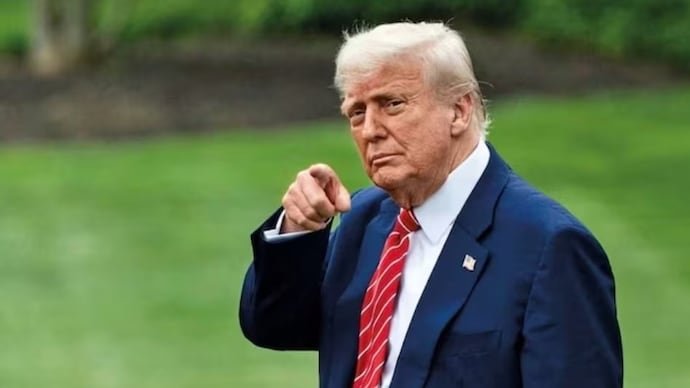
US President Donald Trump said he expected to receive Iran’s response to Washington’s latest diplomatic proposal by Friday night, raising hopes for a possible de-escalation even as Military tensions continue simmering in and around the Strait of Hormuz.
The proposal reportedly aims to halt the ongoing conflict, restart formal negotiations, and reduce the risk of broader regional instability. However, Tehran has signaled that it is still reviewing the offer carefully, while clashes and accusations between Iranian and American forces continue to intensify in one of the world’s most strategically sensitive waterways.
The developments reveal the central contradiction shaping the current crisis: Diplomacy is advancing at the same time military escalation risks are growing.
While Trump publicly expressed optimism about negotiations, his warnings toward Iran and continued naval confrontations in Hormuz suggest that the path toward any long-term agreement remains extremely fragile.
What Is in the New US-Iran Proposal?
According to reports, the latest American proposal is structured as a concise 14-point memorandum intended to create an immediate framework for de-escalation.
The agreement reportedly includes:
- A temporary halt or reduction in Iranian nuclear enrichment activities
- Possible easing of US economic Sanctions
- Release of frozen Iranian financial assets
- Measures to reduce tensions in the Strait of Hormuz
- A 30-day negotiation window for broader diplomatic talks
Rather than attempting a sweeping long-term settlement immediately, the framework appears designed to lower immediate military risks first while opening channels for deeper negotiations later.
This phased approach reflects the reality that trust between Washington and Tehran remains extremely weak after years of sanctions, military incidents and failed agreements.
Why Trump’s “Tonight” Comment Matters
Trump’s statement that he expected a response “tonight” is politically significant because it signals that communication channels between both sides remain active despite public hostility.
Diplomatic negotiations involving Iran and the United States often move through indirect intermediaries rather than direct high-level meetings.
According to Iranian media reports cited internationally, messages from Washington were transmitted through Pakistani mediators.
That detail highlights how backchannel diplomacy frequently operates during periods of severe geopolitical tension.
Even during military confrontations, states often maintain indirect communication systems to avoid uncontrolled escalation.
Pakistan’s Quiet Diplomatic Role
Pakistan’s reported involvement as a mediator reflects its increasingly delicate strategic position in regional politics.
Islamabad maintains relationships with:
- The United States
- Iran
- China
- Gulf nations
- Regional security actors
This allows Pakistan to occasionally function as an intermediary during sensitive negotiations.
Such diplomatic backchannels are especially important when official trust between adversaries has broken down publicly.
Historically, many major geopolitical agreements begin through quiet indirect exchanges long before formal announcements emerge.
The Strait of Hormuz Remains the Real Pressure Point
Although nuclear negotiations dominate international headlines, the Strait of Hormuz remains the most dangerous element of the current crisis.
The narrow maritime corridor is one of the world’s most critical oil transit routes, handling a major portion of global energy shipments.
Any instability there immediately affects:
- Global oil markets
- Shipping costs
- Energy prices
- International trade confidence
- Regional military deployments
That is why even limited naval confrontations in Hormuz generate worldwide concern.
Recent reports from both Iranian and American sources suggest that military tensions in the area remain highly volatile despite ongoing diplomatic efforts.
Conflicting Narratives Around Naval Clashes
The latest confrontation highlights how differently both sides interpret events in the Gulf region.
According to US Central Command (CENTCOM), American forces conducted defensive operations after Iranian forces allegedly targeted US destroyers transiting the Strait of Hormuz.
CENTCOM also claimed American forces intercepted Iranian-linked tankers attempting to breach a US blockade.
Iran, however, accused Washington of violating the ceasefire and escalating tensions unnecessarily.
This pattern of conflicting narratives is common in modern geopolitical conflicts.
Both governments are attempting to:
- Shape international perception
- Maintain domestic political support
- Justify military actions
- Preserve negotiating leverage
In high-stakes confrontations, public messaging itself becomes part of the strategic battlefield.
Why the Strait of Hormuz Is So Critical
The Strait of Hormuz is often described as the world’s most important oil chokepoint.
The waterway connects the persian gulf to global shipping lanes and carries energy exports from several major oil-producing countries.
| Why Hormuz Matters | Global Impact |
|---|---|
| Oil transit route | Affects global energy supply |
| Shipping corridor | Impacts international trade |
| Military presence | Raises geopolitical tension |
| Energy market sensitivity | Influences global inflation |
| Strategic naval route | Critical for Gulf security |
For Iran, Hormuz also serves as a strategic leverage point against external pressure.
Tehran has repeatedly signaled that attempts to isolate or militarily pressure Iran could threaten regional maritime stability.
Trump’s Negotiation Style: Pressure and Diplomacy Together
Donald Trump’s handling of Iran continues to reflect his broader geopolitical approach combining threats with negotiation openings simultaneously.
Shortly after discussing the diplomatic proposal, Trump issued a sharp warning on Truth Social urging Iran to sign a deal quickly.
“We’ll knock them out a lot harder, and a lot more violently, in the future, if they don’t get their Deal signed, FAST!”
At the same time, Trump also described recent US military action as a “love tap” while insisting that the ceasefire remained intact.
This dual messaging serves several purposes:
- Projecting strength domestically
- Maintaining pressure on Tehran
- Keeping diplomatic options open
- Controlling international media narratives
Critics argue this style increases unpredictability and escalation risk. Supporters believe it strengthens bargaining leverage.
Why Iran Is Moving Carefully
Iran’s slower response reflects deep mistrust shaped by years of sanctions and failed negotiations.
From Tehran’s perspective, several concerns remain unresolved:
- Whether sanctions relief would be reliable
- How enforcement mechanisms would work
- Whether future US administrations would honor agreements
- The extent of restrictions on Iran’s nuclear activities
- Military pressure in the Gulf region
Iranian officials are likely calculating not only the diplomatic value of the proposal but also its domestic political consequences.
Appearing too eager for compromise could trigger criticism internally from hardline factions already skeptical of negotiations with Washington.
The Global Oil Market Is Watching Closely
Perhaps no sector is monitoring the US-Iran standoff more intensely than global Energy Markets.
Even limited military incidents in Hormuz can trigger fears of supply disruption and sharp oil price movements.
Energy traders remain highly sensitive to:
- Naval clashes
- Shipping disruptions
- Sanctions escalation
- Tankers being targeted
- Blockade threats
A prolonged confrontation could significantly impact global inflation and economic stability, particularly for energy-importing countries.
This explains why major international powers continue urging restraint despite broader geopolitical rivalries.
The Crisis Reflects a Bigger Global Shift
Beyond immediate military tensions, the US-Iran confrontation increasingly reflects broader Global Power competition.
Iran now positions itself as part of a wider Global South movement seeking alternatives to Western-led geopolitical structures.
At the same time:
- China continues expanding economic influence
- Russia remains strategically active
- BRICS alliances are growing
- Regional powers are seeking greater autonomy
This means the current standoff is no longer simply a bilateral dispute.
It is unfolding inside a rapidly changing international Environment where power balances themselves are evolving.
Could a Temporary Deal Lead to a Larger Agreement?
The proposed 30-day negotiation framework suggests Washington may be prioritizing immediate stabilization over comprehensive resolution.
That strategy could provide several short-term benefits:
- Reducing military escalation risks
- Stabilizing energy markets
- Creating diplomatic breathing space
- Opening communication channels
- Preventing accidental conflict expansion
However, long-term success would still require addressing deeper structural disputes surrounding sanctions, regional influence, nuclear oversight and security guarantees.
Those issues have historically proven extremely difficult to resolve.
Why the Situation Remains Extremely Fragile
Even if Iran responds positively to the proposal, the overall situation remains highly unstable.
Several factors could quickly derail diplomacy:
- Further naval incidents
- Miscommunication between military forces
- Domestic political pressure
- Proxy group involvement
- Conflicting ceasefire interpretations
Modern geopolitical crises often escalate not only because of deliberate policy choices but also because of accidents, miscalculations and rapidly changing battlefield conditions.
The Strait of Hormuz remains particularly dangerous because of the close proximity of rival military assets operating in confined waters.
Conclusion
Donald Trump’s expectation of receiving Iran’s response “tonight” may represent a crucial diplomatic moment, but the broader reality remains deeply uncertain.
The latest proposal offers a possible pathway toward temporary de-escalation through sanctions relief, nuclear restrictions and reduced military tension in the Strait of Hormuz. Yet simultaneous naval confrontations and sharp public warnings reveal how fragile the process truly is.
The current crisis sits at the intersection of energy security, military deterrence, nuclear diplomacy and shifting global power dynamics.
For now, the world is watching not only whether Iran accepts Washington’s latest proposal, but whether diplomacy can move quickly enough to prevent further escalation in one of the most strategically sensitive regions on Earth.
For breaking news and live news updates, like us on Facebook or follow us on Twitter and Instagram. Read more on Latest World on thefoxdaily.com.




COMMENTS 0