- From Diplomacy to Disruption: What Triggered the Lockdowns?
- Economic Fallout: When Security Measures Hit Livelihoods
- Social Impact: Displacement, Education Disruptions, and Daily Hardships
- Public Anger Boils Over: A Crisis of Trust
- Geopolitical Context: Why Pakistan Took This Risk
- The Energy Factor: A Hidden Driver of Economic Stress
- A Unique Insight: “Security-Driven Lockdowns” as a Policy Trend
- Comparison: Pandemic Lockdowns vs Security Lockdowns
- What Happens Next? Possible Scenarios
- Prediction: A Turning Point for Pakistan’s Domestic-Global Balance
- Conclusion: When Global Ambitions Meet Ground Reality
In trying to step onto the global stage as a peacemaker, Pakistan has found itself grappling with unrest at home. Over the past two weeks, life in Islamabad and Rawalpindi has slowed to a near standstill, not because of a health crisis or natural disaster, but due to anticipated high-level talks between the United States and Iran that have yet to take shape.
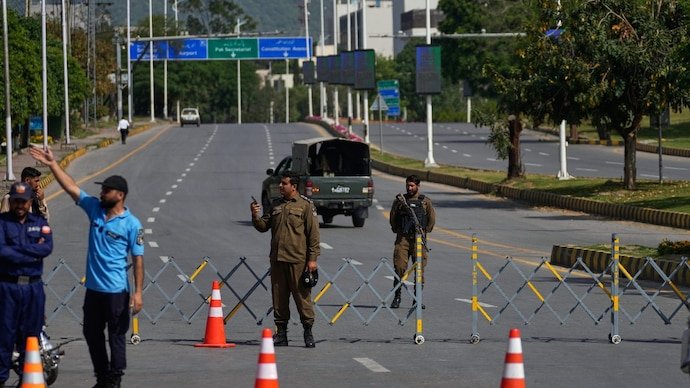
For residents, the impact is immediate and tangible. Streets that are usually buzzing with traffic are eerily quiet. Shops remain shuttered, public transport is largely absent, and thousands of workers are left wondering when normalcy will return. What was meant to showcase Pakistan’s diplomatic relevance has instead sparked frustration, particularly among those whose livelihoods depend on daily movement and income.
The uncertainty surrounding the talks has only deepened the sense of disruption. With no clear timeline and restrictions stretching day after day, many citizens feel caught in limbo waiting for an outcome that remains uncertain while their routines, incomes, and plans remain on hold.
From Diplomacy to Disruption: What Triggered the Lockdowns?
Pakistan has long sought to position itself as a strategic intermediary in global conflicts, leveraging its relationships with both Western powers and regional players. In the current geopolitical climate, tensions between the United States and Iran have created an opening for Islamabad to step in as a facilitator of dialogue.
However, the anticipation of such high-stakes negotiations has led authorities to impose sweeping security measures. Key areas in Islamabad particularly the Red Zone and surroundings of Nur Khan Airbase have been sealed off. Public transport has been suspended, markets shuttered, and thousands of security personnel deployed.
These measures, typically reserved for confirmed high-level visits, have been implemented despite uncertainty over whether or when the talks will actually occur.
Economic Fallout: When Security Measures Hit Livelihoods
The most immediate impact of the lockdowns has been economic. Islamabad and Rawalpindi are not just administrative centers they are bustling urban economies dependent on daily movement, commerce, and services.
Key Economic Impacts
- Small Businesses: Shops operating under restricted hours or completely closed
- Transport Sector: Suspension of public and goods transport disrupting supply chains
- Gig Economy: Ride-hailing drivers reporting significant income drops
- Hospitality Industry: Restaurants and cafes seeing sharp declines in revenue
For daily-wage workers, the consequences are even more severe. With no work comes no income a reality that has intensified frustration among the most vulnerable populations.
| Sector | Impact Level | Key Issue |
|---|---|---|
| Retail | High | Reduced footfall and limited hours |
| Transport | Severe | Complete suspension of services |
| Hospitality | High | Drop in customer demand |
| Daily Wage Labor | Critical | Loss of income and job access |
Social Impact: Displacement, Education Disruptions, and Daily Hardships
Beyond economics, the lockdowns have disrupted everyday life in profound ways. Thousands of workers have reportedly been forced out of temporary accommodations, scrambling to find shelter amid uncertainty.
Education has also taken a hit. While schools remain officially open, attendance has dropped sharply. Universities have shifted to online classes, exposing the digital divide only a fraction of Students have reliable access to virtual learning.
For many residents, the situation feels eerily similar to COVID-19 lockdowns, but without the Public health justification. The psychological toll uncertainty, frustration, and helplessness is becoming increasingly evident.
Public Anger Boils Over: A Crisis of Trust
As days pass without confirmed diplomatic progress, public patience is wearing thin. Citizens are questioning the necessity and duration of the restrictions.
The anger stems from three core issues:
- Lack of Transparency: No clear timeline for talks or easing restrictions
- Economic Hardship: Immediate loss of income without compensation
- Policy Disconnect: Perception that decisions prioritize global optics over local welfare
This growing dissatisfaction is not just about inconvenience it reflects a deeper concern about governance and accountability.
Geopolitical Context: Why Pakistan Took This Risk
To understand the government’s decision, one must consider the broader geopolitical stakes. Acting as a mediator between the US and Iran offers Pakistan several potential benefits:
- Enhanced global diplomatic standing
- Stronger bilateral relations with major powers
- Opportunity to shape regional security dynamics
Pakistan’s unique position maintaining ties with both Washington and Tehran makes it a plausible intermediary. However, this role comes with inherent risks, especially when domestic stability is compromised.
The Energy Factor: A Hidden Driver of Economic Stress
Compounding the situation is the ongoing impact of global energy disruptions. Tensions involving Iran have affected oil and gas flows, driving up prices and straining Pakistan’s already fragile energy sector.
This has led to:
- Higher fuel costs
- Increased inflation
- Pressure on foreign exchange reserves
When combined with lockdown-induced economic slowdown, the result is a double shock to the economy.
A Unique Insight: “Security-Driven Lockdowns” as a Policy Trend
One underexplored angle is the emergence of what could be termed security-driven lockdowns. Unlike pandemic lockdowns, these are implemented preemptively for geopolitical or security reasons.
This raises critical questions:
- How sustainable are such measures in densely populated cities?
- What safeguards exist to protect vulnerable populations?
- Can governments balance security with economic continuity?
Pakistan’s current situation may serve as a case study for other nations navigating similar challenges in an increasingly volatile world.
Comparison: Pandemic Lockdowns vs Security Lockdowns
| Aspect | Pandemic Lockdowns | Security Lockdowns |
|---|---|---|
| Primary Cause | Public health crisis | Geopolitical/security concerns |
| Public Acceptance | Initially high | Relatively low |
| Duration Clarity | Often defined phases | Uncertain timelines |
| Economic Impact | Severe but anticipated | Sudden and unpredictable |
What Happens Next? Possible Scenarios
1. Talks Materialize
If US-Iran negotiations proceed, Pakistan could justify the disruptions as a necessary cost of Diplomacy.
2. Continued Uncertainty
Prolonged delays may deepen economic losses and public resentment.
3. Gradual Easing
Authorities might scale back restrictions while maintaining high alert status.
4. Policy Reassessment
The government could rethink its approach to balancing diplomacy with domestic stability.
Prediction: A Turning Point for Pakistan’s Domestic-Global Balance
This episode is likely to have lasting implications. Pakistan may become more cautious in how it manages large-scale security measures tied to diplomatic ambitions.
Future strategies could include:
- More targeted restrictions instead of city-wide shutdowns
- Improved communication with the public
- Economic support measures for affected populations
In short, the country may shift toward a more balanced approach that aligns global aspirations with local realities.
Conclusion: When Global Ambitions Meet Ground Reality
Pakistan’s lockdowns in Islamabad and Rawalpindi highlight a critical tension in modern governance: the challenge of pursuing international influence without undermining domestic stability.
While the ambition to mediate between global powers is commendable, the execution has revealed gaps in planning, communication, and impact assessment.
The lesson is clear: diplomacy cannot succeed in isolation from the people it ultimately represents.
As the situation unfolds, the true test for Pakistan will not just be whether it can broker peace abroad, but whether it can restore trust and stability at home.
For breaking news and live news updates, like us on Facebook or follow us on Twitter and Instagram. Read more on Latest World on thefoxdaily.com.


COMMENTS 0