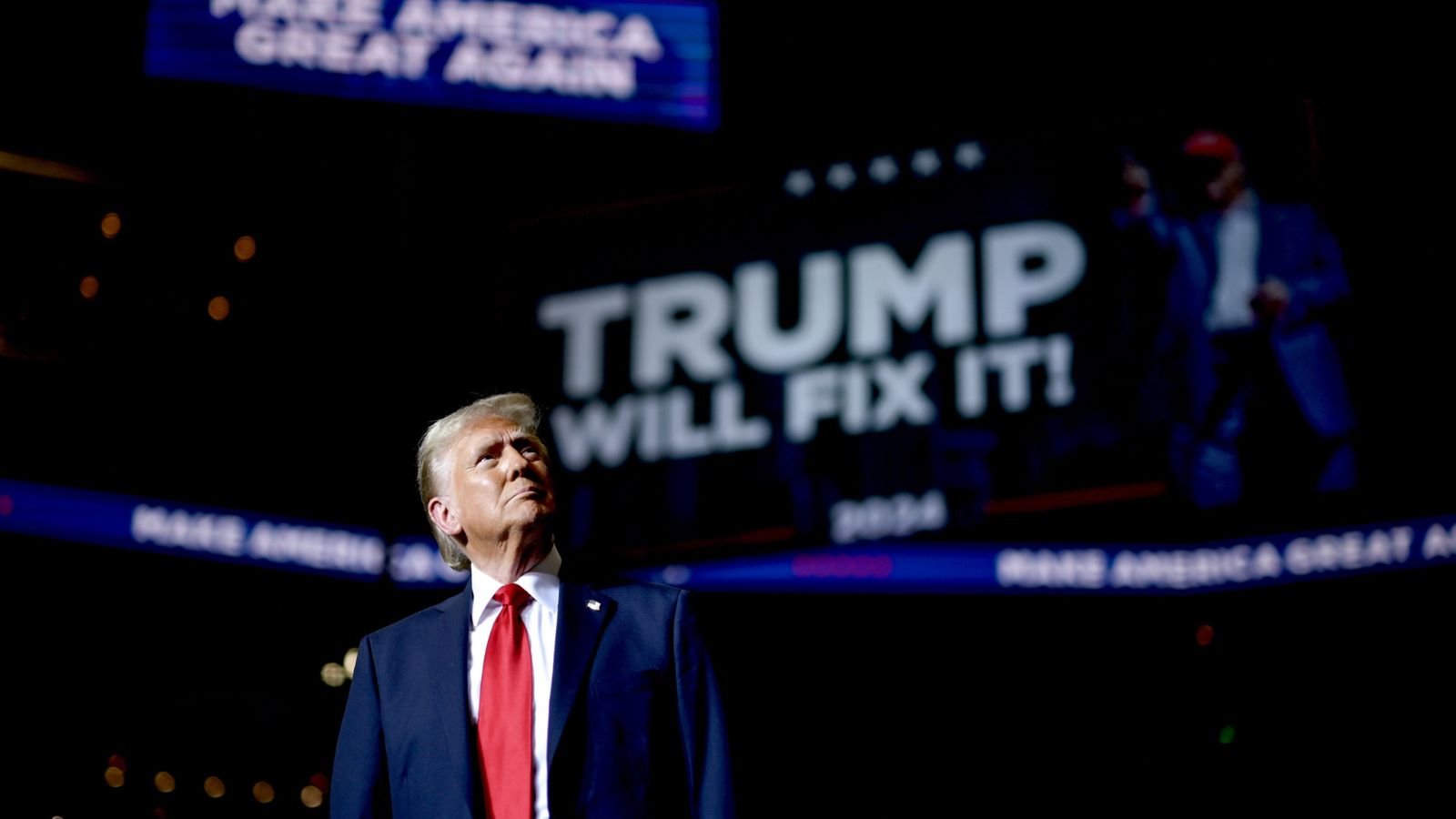
- Understanding the Numbers: A Snapshot of Trump Approval Ratings
- The Economy: The Deciding Factor for Voters
- Immigration Policy: A Divisive Political Flashpoint
- Iran Conflict: Foreign Policy Under Scrutiny
- The “Wrong Track” Sentiment: A Deeper Warning Sign
- Republican Base vs Swing Voters: A Growing Gap
- Comparison: How Trump’s Current Numbers Stack Up Historically
- Unique Insight: The Shift from Personality Politics to Performance Politics
- What This Means for the 2026 Midterm Elections
- Future Outlook: Three Possible Scenarios
- Conclusion: A Critical Moment for US Politics
The latest Trump approval ratings are painting a challenging picture for Republicans as the United States approaches the 2026 midterm Elections. Multiple national polls indicate that public confidence in President Donald Trump’s leadership is slipping, with approval numbers dropping into the mid-30s and a growing majority of Americans believing the country is headed in the wrong direction.
This decline is not driven by a single issue. Instead, it reflects a convergence of concerns economic anxiety, dissatisfaction with Immigration policies, and unease over foreign policy decisions, particularly regarding Iran. With just months to go before voters head to the polls, these trends could have significant electoral consequences.
Understanding the Numbers: A Snapshot of Trump Approval Ratings
Recent surveys from major polling organizations show a consistent pattern:
- Approval ratings hovering between 33% and 36%
- Nearly 70% of Americans describing the economy as poor
- Around 72% believing the country is on the “wrong track”
These figures represent some of the lowest approval levels of Trump’s current term. More importantly, they reflect a broader sentiment that goes beyond partisan divides capturing frustration among independents and even some Republican voters.
The Economy: The Deciding Factor for Voters
If there is one issue shaping voter sentiment more than any other, it is the economy. Historically, economic perception has been a strong predictor of electoral outcomes, and current data suggests trouble for the administration.
Why Economic Sentiment Is Negative
- Cost of living pressures: Rising everyday expenses are directly impacting households
- Declining approval: Support for Trump’s economic handling has dropped significantly
- Public perception gap: Even if macroeconomic indicators show mixed signals, voters often respond to personal financial stress
Approval on cost-of-living issues is particularly weak, with less than a quarter of Americans expressing support. This suggests that economic messaging may not be resonating with voters facing real-world financial challenges.
Immigration Policy: A Divisive Political Flashpoint
Trump Immigration Policy approval has also declined, revealing deep divisions among voters.
While immigration has traditionally been a strong issue for Trump’s political base, recent polling indicates shifting attitudes:
- More than half of Americans say they are less likely to support candidates backing current deportation policies
- Independent voters show even stronger opposition
- Overall approval for immigration handling has dropped from earlier highs
This shift highlights a critical political challenge: policies that energize the core base may alienate swing voters, who often decide midterm elections.
Iran Conflict: Foreign Policy Under Scrutiny
The Trump Iran policy approval ratings are among the weakest across all issues.
A significant majority of Americans disapprove of how the administration is handling tensions with Iran. Additionally, there is clear public reluctance toward further military escalation.
What This Means Politically
- Foreign policy is no longer a secondary issue it is influencing voter perception
- War fatigue and risk aversion are shaping public opinion
- Independents are particularly critical, making this a key battleground issue
This represents a shift from past elections where domestic issues dominated voter priorities almost exclusively.
The “Wrong Track” Sentiment: A Deeper Warning Sign
Perhaps the most concerning statistic for the administration is the growing belief that the country is heading in the wrong direction.
This metric is often seen as a leading indicator of political change. When a large majority of voters feel dissatisfied with the direction of the country, they are more likely to vote for change regardless of party affiliation.
Key drivers behind this sentiment include:
- Economic uncertainty
- Political polarization
- Concerns about governance and stability
Republican Base vs Swing Voters: A Growing Gap
Despite declining overall approval, Trump continues to maintain strong support among Republican voters.
- Over 80% of Republicans still approve of his performance
- Slight declines indicate some softening, but not a collapse
This creates a strategic dilemma:
- Strong base support ensures primary election strength
- Weak independent support threatens general election outcomes
Midterms are often decided by turnout and swing voters, making this divide particularly significant.
Comparison: How Trump’s Current Numbers Stack Up Historically
| President | Approval Before Midterms | Midterm Outcome Trend |
|---|---|---|
| Barack Obama (2010) | ~45% | Major House losses |
| Donald Trump (2018) | ~41% | House lost to opposition |
| Current Trump Term | ~33–36% | High risk for congressional losses |
Historically, presidents with approval ratings below 40% heading into midterms tend to face significant electoral setbacks. Current trends suggest a similar risk scenario.
Unique Insight: The Shift from Personality Politics to Performance Politics
One notable evolution in the current political environment is the shift from personality-driven Politics to performance-driven evaluation.
While Trump’s political brand has historically relied on strong personal appeal and messaging, current polling suggests that voters are increasingly focused on tangible outcomes:
- Economic stability
- Policy effectiveness
- Global positioning
This shift could redefine campaign strategies, forcing candidates to focus more on measurable results than rhetoric.
What This Means for the 2026 Midterm Elections
The implications of declining Trump approval ratings 2026 are significant:
1. Competitive Congressional Races
Republicans holding narrow majorities may face strong challenges in key districts.
2. Increased Importance of Independent Voters
With polarization high, independents could determine the balance of power.
3. Policy Messaging Will Be Crucial
Economic and cost-of-living issues are likely to dominate campaign narratives.
4. Turnout Dynamics May Shift
Negative sentiment can either mobilize opposition voters or suppress turnout, depending on campaign strategies.
Future Outlook: Three Possible Scenarios
Scenario 1: Economic Recovery Boosts Approval
If economic conditions improve, approval ratings could rebound, stabilizing Republican prospects.
Scenario 2: Continued Decline Leads to Electoral Losses
If current trends persist, Republicans may face significant losses in congress.
Scenario 3: Polarization Neutralizes Impact
Strong partisan loyalty could limit the impact of declining approval, resulting in closely contested outcomes.
Conclusion: A Critical Moment for US Politics
The current trajectory of Trump approval ratings signals a pivotal moment in American politics. With widespread dissatisfaction over economic conditions, immigration policy, and foreign affairs, the administration faces mounting pressure ahead of the 2026 midterms.
While strong support from the Republican base provides a foundation, the broader electorate particularly independent voters will ultimately determine the outcome.
The key question is no longer just about approval ratings, but whether the administration can shift public perception before voters deliver their verdict at the ballot box.
For breaking news and live news updates, like us on Facebook or follow us on Twitter and Instagram. Read more on Latest World on thefoxdaily.com.






COMMENTS 0