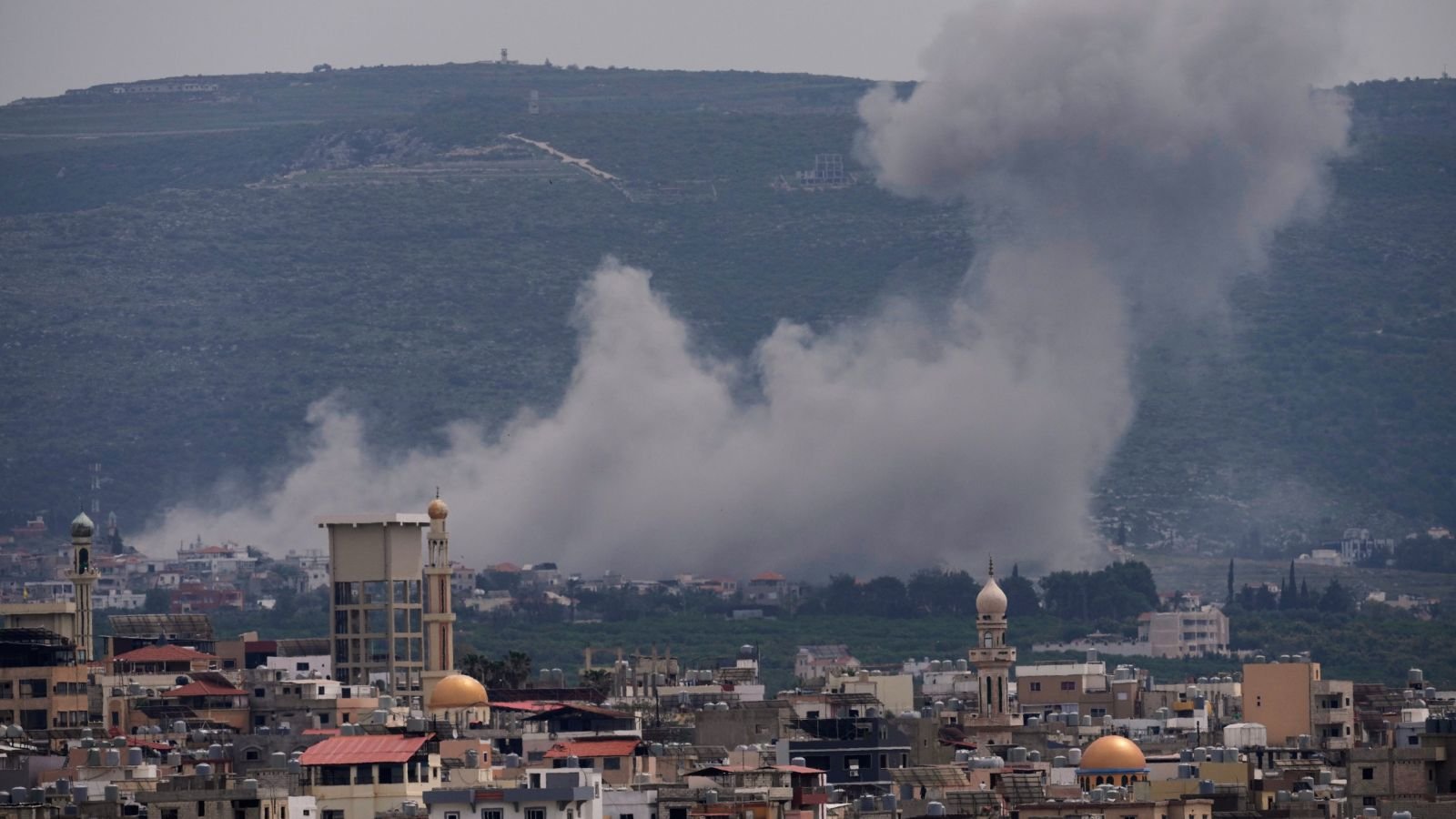
The Ayatollah Ali Khamenei funeral has become one of the largest public events in Iran in recent years, drawing mourners from across the country and abroad. Among those attending was an Iranian woman living in the United Kingdom WHO traveled thousands of kilometers to join the funeral ceremonies in Tehran. Her journey reflected the personal significance the event holds for many supporters of the late Supreme Leader. At the same time, the funeral has unfolded against the backdrop of a nation recovering from war, with public mourning intertwined with religious symbolism, memories of recent violence, and differing international perspectives on Iran’s political leadership.
Who attended the funeral? Tens of thousands of mourners from Iran and overseas, including members of the Iranian diaspora. What was taking place? Funeral ceremonies honoring former Supreme Leader Ayatollah Ali Khamenei. When? The ceremonies began in Tehran before continuing to other religious cities. Where? Primarily at Tehran’s Grand Mosalla, with subsequent events planned in Qom, Najaf, Karbala, and Mashhad. Why has the funeral attracted global attention? It represents a significant political, religious, and symbolic moment for Iran following the death of one of its most influential leaders. How have mourners expressed their sentiments? Through religious observances, public mourning, national symbols, and personal testimonies reflecting their own beliefs and experiences.
Tehran Becomes the Center of National Mourning
During the funeral ceremonies, Tehran witnessed large crowds gathering around the Grand Mosalla, one of the city’s most important religious venues.
Black mourning banners, Iranian national flags, religious chants, and volunteer organizers created an atmosphere combining solemn remembrance with large-scale public participation.
For many attendees, the funeral represented both a farewell to a long-serving leader and an opportunity to express religious devotion and national identity.
Who Was Ayatollah Ali Khamenei?
Ayatollah Ali Khamenei served as Iran’s Supreme Leader for several decades, making him one of the country’s most influential political and religious figures.
As Supreme Leader, he occupied Iran’s highest constitutional authority, overseeing major aspects of:
- National security.
- Foreign Policy.
- Defence strategy.
- Religious leadership.
- Strategic state institutions.
His leadership shaped multiple generations of Iranian domestic and international policy.
The Journey of an Iranian Living Abroad
One of the widely discussed stories emerging from the funeral involved Mazia, an Iranian woman residing in the United Kingdom who returned to Tehran specifically to attend the ceremonies.
Speaking to journalists, she described her visit as a personal expression of solidarity with her homeland.
She also expressed her own views regarding recent regional conflicts, national resilience, and Iran’s historical identity.
These comments represent her personal opinions and reflect the perspectives of one mourner rather than an independently verified assessment of broader public opinion.
How the Recent Conflict Shapes the Funeral
The funeral has taken place shortly after a period of armed conflict that left lasting emotional and physical consequences.
Across parts of Tehran, displays commemorating reported civilian casualties from the recent war have become part of the public landscape.
For many attendees, memories of the conflict remain closely connected with the mourning ceremonies.
The coexistence of grief, remembrance, and political symbolism has become one of the defining features of the event.
Religious Symbolism Throughout the Ceremonies
Religious traditions remain central to the funeral proceedings.
Visitors observed:
- Collective prayers.
- Shiite lamentations.
- Black mourning banners.
- National flags.
- Religious processions.
- Expressions of devotion.
These rituals reflect longstanding traditions associated with mourning prominent religious figures within Iran’s Shia community.
Funeral Procession Across Multiple Holy Cities
The ceremonies extend beyond Tehran.
Following events in the capital, the planned funeral route includes several cities that hold deep religious importance.
| City | Role in Funeral | Religious Significance |
|---|---|---|
| Tehran | Primary public mourning ceremonies. | Political and administrative capital. |
| Qom | Continuation of funeral procession. | Major center of Shia scholarship. |
| Najaf | Religious observance. | One of Shia Islam’s holiest cities. |
| Karbala | Religious ceremonies. | Associated with Imam Hussain. |
| Mashhad | Final burial. | Home to the shrine of Imam Reza. |
Why Religious Cities Matter in Shia Islam
The inclusion of Qom, Najaf, Karbala, and Mashhad reflects their enduring importance in Shia religious tradition.
These cities attract millions of pilgrims annually because of their historic mosques, seminaries, and shrines associated with revered Islamic figures.
Funeral ceremonies involving such locations often carry deep spiritual meaning for believers.
National Identity and Historical Continuity
Several mourners emphasized Iran’s long civilizational history when discussing the country’s future.
Iran possesses one of the world’s oldest continuous civilizations, with historical roots extending back thousands of years through successive Persian empires and later Islamic periods.
References to this heritage frequently appear in public discourse, especially during moments of national significance.
Different Perspectives on the Recent Conflict
The recent conflict has generated sharply contrasting interpretations internationally.
Some supporters of Iran’s leadership argue that external pressure strengthened national unity.
Others hold different assessments regarding the political, humanitarian, and strategic consequences of the conflict.
Understanding these differing perspectives is essential when interpreting statements made during emotionally charged public events such as state funerals.
Timeline of Events
| Event | Development | Importance |
|---|---|---|
| Recent conflict | Military confrontation affects multiple regions. | Creates humanitarian and political consequences. |
| Death of Ayatollah Khamenei | National mourning begins. | Major political transition. |
| Funeral in Tehran | Large crowds gather at Grand Mosalla. | Public tribute and religious observance. |
| Regional procession | Ceremonies continue through holy cities. | Religious significance. |
| Final burial | Interment in Mashhad. | Conclusion of official funeral rites. |
Comparison: State Funeral and Religious Pilgrimage
| State Funeral | Religious Pilgrimage |
|---|---|
| Honors a national leader. | Focuses on spiritual devotion. |
| Includes official ceremonies. | Centers on religious observance. |
| Political symbolism may be present. | Primarily emphasizes faith. |
| National participation. | International religious participation. |
| Limited duration. | Occurs throughout the year. |
The Human Dimension Behind Large Public Gatherings
Large state funerals often reveal more than political messaging.
For many individuals attending, the decision to travel long distances is motivated by personal conviction, family history, religious belief, or emotional attachment rather than official narratives alone.
The story of an overseas Iranian returning home illustrates how major national events can resonate deeply within diaspora communities, even when political opinions differ among individuals.
A Unique Insight: Public Mourning Often Reflects Multiple Layers of Identity
Funerals for national leaders frequently become moments where religion, history, politics, and personal identity intersect.
Participants may attend for different reasons: some out of religious devotion, others because of political support, historical respect, national identity, or family tradition.
As a result, public mourning cannot always be understood through a single political lens. Instead, it often reflects a complex combination of personal experiences and collective memory.
Future Outlook
Following the conclusion of the funeral ceremonies, attention is expected to shift toward Iran’s political transition, regional diplomacy, and domestic governance. Observers will closely monitor how the country’s institutions navigate leadership changes while addressing economic challenges, regional security concerns, and International Relations.
The funeral itself is likely to remain a defining historical moment, symbolizing both the end of a long political era and the continuing role of religious tradition in Iranian public life.
Conclusion
The Ayatollah Ali Khamenei funeral has drawn large crowds from across Iran and beyond, reflecting the significance many supporters attach to his decades of leadership. The participation of an Iranian woman returning from the United Kingdom illustrates the deeply personal motivations that can accompany national moments of mourning, while the broader ceremonies have combined religious observance, historical symbolism, and remembrance of recent conflict.
As Tehran continues to host funeral rites before the procession moves to other holy cities, the event underscores the enduring influence of religion, national identity, and collective memory in shaping public life. While interpretations of these ceremonies differ both within and outside Iran, the funeral remains one of the most consequential public gatherings in the country’s recent history.
For breaking news and live news updates, like us on Facebook or follow us on Twitter and Instagram. Read more on Latest World on thefoxdaily.com.



COMMENTS 0