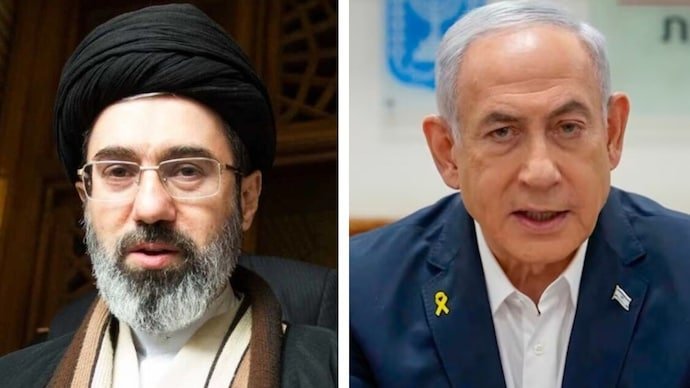
The Middle East witnessed another dramatic turn after Iran declared that it was halting its latest military operations against Israel while warning that any future Israeli attacks, particularly in Lebanon, would provoke a much harsher response. Although the announcement has reduced immediate fears of a wider regional war, the underlying tensions between Tehran and Tel Aviv remain unresolved.
The development comes after a series of military exchanges that marked the first direct confrontation between Iran and Israel since a ceasefire took effect earlier this year. While both sides appear to be stepping back from immediate escalation, the latest events highlight how fragile stability remains across the region.
What Led to the Latest Iran-Israel Escalation?
The recent crisis began after Israeli Airstrikes targeted Beirut’s southern suburbs, an area widely associated with Hezbollah, the Iran-backed Lebanese group. Iran has repeatedly argued that the ceasefire arrangements in the region include Lebanon and has viewed Israeli military operations there as violations of the broader truce framework.
Following the strikes, Iranian political and military leaders warned that retaliation would follow if attacks continued. Those warnings materialized when Iran launched missiles toward Israel, prompting a swift Israeli response against targets inside Iranian territory.
The exchange represented one of the most significant escalations in months and raised concerns that the region could be heading toward a broader conflict involving multiple countries and armed groups.
Iran’s Message: A Pause, Not a Retreat
Iran’s announcement was carefully worded. Military leaders stated that armed operations had ceased, but they simultaneously warned that future Israeli attacks, especially in southern Lebanon, would trigger a stronger response.
This approach reflects Tehran’s broader strategy of balancing deterrence with diplomacy. By ending its current operations, Iran signals that it does not seek immediate escalation. However, by threatening harsher retaliation, it aims to discourage future military action against its allies and interests.
In practical terms, Iran is attempting to establish red lines while keeping diplomatic channels open.
Why Lebanon Remains at the Centre of the Crisis
One of the most important aspects of the current situation is Lebanon’s growing role in regional Security dynamics.
For years, Lebanon has been a critical arena in the broader rivalry between Iran and Israel. Hezbollah remains one of Iran’s strongest regional allies and possesses significant military capabilities. As a result, military operations involving Lebanon often have consequences that extend far beyond the country’s borders.
Iran’s explicit warning regarding southern Lebanon suggests that future Israeli operations there could become the trigger for another direct confrontation. This creates a highly sensitive environment where local military actions could rapidly escalate into a wider regional crisis.
Israel’s Strategic Calculations
Israel has consistently maintained that its military operations are intended to neutralize threats and prevent attacks against its territory. Israeli officials argue that targeting facilities linked to missile production, military infrastructure, and armed groups is essential for national security.
During the latest exchange, Israeli forces reportedly targeted facilities connected to strategic defense capabilities and missile-related infrastructure. Such actions are designed not only to reduce military threats but also to reinforce deterrence.
However, operations involving Iranian interests or Iranian-backed groups carry significant risks. Every strike has the potential to trigger retaliation, increasing the possibility of broader conflict.
The Expanding Role of Regional Actors
The crisis is no longer limited to Iran and Israel alone. Other regional actors are increasingly becoming involved.
Yemen’s Houthi movement announced that it would target Israeli-linked shipping routes and claimed responsibility for missile launches toward Israel. This development adds another layer of complexity to an already volatile situation.
The Red Sea is one of the world’s most important maritime trade corridors. Any disruption to shipping in this region can affect global supply chains, energy transportation, and international commerce.
The involvement of multiple actors across different countries demonstrates how interconnected modern Middle Eastern conflicts have become.
The United States and the Push for Diplomacy
The United States remains deeply involved in efforts to prevent a broader regional war. Washington has attempted to maintain support for Israel while encouraging diplomatic engagement with Iran.
Recent communications between US President Donald Trump and Israeli Prime Minister Benjamin Netanyahu underscore the importance Washington places on preventing further escalation. American officials have repeatedly emphasized the need for restraint and renewed negotiations.
Iranian officials, however, continue to hold the United States partly responsible for Israeli military actions due to the longstanding alliance between Washington and Tel Aviv.
Despite these disagreements, diplomatic communication channels remain open, offering a potential pathway toward de-escalation.
Impact on Global Oil Markets and the Economy
One of the most immediate global consequences of Middle East instability is its effect on energy markets.
The region remains central to global oil production and transportation. Even the possibility of wider conflict often causes energy prices to rise as traders anticipate supply disruptions.
Several strategic factors are being closely monitored:
- Security of major oil production facilities
- Stability of shipping routes in the Red Sea
- Potential disruptions in the Strait of Hormuz
- Regional military activity near energy infrastructure
Higher oil prices can increase transportation costs, fuel inflation, and create economic challenges for countries that depend heavily on imported energy.
Why This Pause Does Not Guarantee Peace
While Iran’s announcement has reduced immediate fears of a larger war, it would be premature to view the situation as resolved.
The core issues driving tensions remain unchanged. These include regional influence, security concerns, military alliances, strategic deterrence, and competing geopolitical interests.
History shows that temporary pauses in hostilities do not necessarily lead to lasting peace. In many cases, unresolved disputes continue to simmer beneath the surface, creating conditions for future confrontations.
The current situation should therefore be viewed as a fragile pause rather than a permanent settlement.
Possible Scenarios in the Coming Weeks
1. Successful De-escalation
If both sides avoid major military actions and diplomatic efforts gain momentum, tensions could gradually ease and reduce the risk of immediate conflict.
2. Limited Military Exchanges
Small-scale incidents involving regional proxies or localized strikes could continue without escalating into full-scale war.
3. Renewed Regional Conflict
If military operations intensify in Lebanon or additional missile attacks occur, the region could once again face a significant escalation involving multiple actors.
At present, all three scenarios remain possible, making the coming weeks critical for regional stability.
What This Means for the Middle East’s Future
The latest developments highlight a broader reality: the Middle East remains caught between diplomacy and deterrence. Governments continue to pursue negotiations while simultaneously maintaining military pressure to protect their strategic interests.
Iran’s decision to halt attacks reflects an effort to avoid immediate escalation, but its warning demonstrates that it is prepared to respond forcefully if it believes its interests are threatened. Israel, meanwhile, continues to emphasize security concerns and its willingness to act against perceived threats.
The challenge for regional leaders and international mediators is preventing future incidents from spiraling into a conflict that could have consequences far beyond the Middle East.
Conclusion
Iran’s announcement ending its latest military operations against Israel has provided a temporary reduction in tensions, but its warning over future Israeli strikes in Lebanon underscores the fragile nature of the current situation. The region remains vulnerable to rapid escalation, particularly as multiple actors continue to pursue competing strategic goals.
While diplomacy remains active, the events of recent days demonstrate that peace in the Middle East remains delicate and uncertain. Whether this pause evolves into a more stable period or becomes merely a brief intermission before another confrontation will depend largely on the actions of regional powers in the weeks ahead.
For breaking news and live news updates, like us on Facebook or follow us on Twitter and Instagram. Read more on Latest World on thefoxdaily.com.





COMMENTS 0