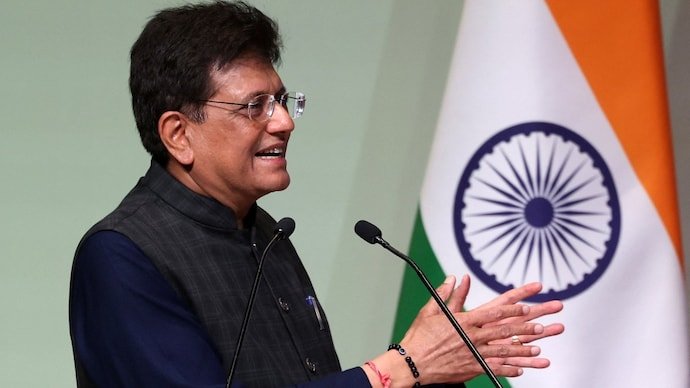
Trade negotiations between India and the United States have entered a decisive phase, but contrary to earlier expectations, New Delhi is showing little urgency to finalize an agreement. Instead of accepting a quick compromise to avoid higher Tariffs, India has adopted a measured approach, insisting that any bilateral Trade Deal must deliver meaningful economic benefits while protecting sensitive domestic sectors such as agriculture and small businesses.
This strategic shift reflects more than a negotiating tactic. It signals India’s growing confidence as one of the world’s fastest-growing major economies and highlights broader changes in the Global Trade landscape. As geopolitical uncertainties reshape international commerce, India believes it now has greater leverage than at any point during the negotiations.
The central question is no longer whether India and the US will eventually reach a trade agreement, but under what conditions and WHO stands to gain the most.
Understanding the India-US Trade Negotiations
India and the United States have been working toward a broader Bilateral Trade Agreement (BTA) aimed at increasing market access, reducing tariffs, strengthening supply chains, and expanding investment opportunities.
The two countries already share one of the world’s fastest-growing economic Relationships. Bilateral trade in goods and services has expanded significantly over the past decade, making the United States one of India’s largest trading partners.
However, several complex issues remain unresolved, including:
- Tariff reductions on industrial products
- Agricultural market access
- Digital trade regulations
- Intellectual property protection
- Medical devices and pharmaceutical pricing
- Rules of origin and customs procedures
- Investment protections
These issues require careful balancing because both countries seek to protect important domestic industries while expanding international trade.
Why India Is No Longer Rushing Into a Trade Deal
Earlier in the negotiations, many analysts believed India faced significant pressure to conclude a trade agreement quickly in order to avoid additional US tariffs.
Today, that pressure has eased considerably.
Indian policymakers now believe that delaying negotiations could produce a more balanced agreement rather than accepting terms that may prove disadvantageous over the long term.
The government’s position remains consistent: trade agreements should create mutual benefits rather than simply offering temporary tariff relief.
India’s Two Major Negotiating Priorities
According to officials familiar with the discussions, India has focused on two critical demands.
1. Competitive Tariff Advantage
India wants assurance that any trade agreement provides preferential tariff treatment compared to competing manufacturing economies. Without such an advantage, Indian exporters may not gain meaningful access to the American market.
2. Long-Term Policy Stability
New Delhi also seeks guarantees that future US administrations will not impose new tariffs shortly after an agreement is signed.
Businesses invest for decades, not months. Predictable trade policies encourage investment, manufacturing expansion, and supply-chain development.
How Legal Developments in the United States Changed the Negotiating Landscape
One of the most important developments influencing India’s strategy has been growing legal uncertainty surrounding US tariff policies.
Court rulings questioning executive authority over certain tariff measures have complicated Washington’s ability to maintain long-term trade restrictions without additional legal scrutiny.
For Indian negotiators, this uncertainty reduces the urgency to make immediate concessions because future tariff policies could change through judicial or legislative action.
Stable trade agreements require stable legal foundations, and India appears determined to wait until greater clarity emerges.
Economic Strength Gives India Greater Confidence
India’s negotiating position is also supported by robust macroeconomic performance.
Several factors have strengthened confidence within the government:
- Strong GDP growth projections
- Growing manufacturing capacity
- Expanding exports
- Stable foreign investment inflows
- Rapid digital economic growth
- Improving infrastructure
- Large domestic consumer market
A resilient domestic economy reduces dependence on any single export market, allowing negotiators greater flexibility.
India’s Export Growth Supports a Stronger Bargaining Position
Despite geopolitical disruptions affecting global shipping and supply chains, India’s merchandise exports have remained resilient.
Manufacturers have successfully diversified logistics routes, adapted to changing market conditions, and expanded exports across multiple regions.
This resilience demonstrates that Indian exporters are becoming increasingly competitive even amid global uncertainty.
For negotiators, strong export performance provides evidence that India can withstand prolonged negotiations if necessary.
Diversification Is Becoming India’s Biggest Trade Advantage
Perhaps the most significant reason behind India’s tougher stance is diversification.
Rather than relying heavily on one export destination, India has actively expanded trade partnerships across multiple regions.
Recent trade initiatives include:
- Free Trade Agreement with the United Kingdom
- Ongoing negotiations with the European Union
- Closer economic cooperation with Gulf nations
- Supply-chain partnerships in the Indo-Pacific
- Growing trade engagement with Australia and other strategic partners
Diversification reduces economic risk while strengthening India’s negotiating leverage with every major trading partner.
India’s Strategic Importance Extends Beyond Trade
The relationship between India and the United States is about much more than tariffs.
India has become an increasingly important strategic partner in areas including:
- Technology cooperation
- Semiconductor manufacturing
- Defense collaboration
- Critical minerals
- Artificial intelligence
- Clean energy
- Indo-Pacific security
This broader strategic partnership makes trade negotiations more complex because economic cooperation is closely linked with geopolitical interests.
Protecting Indian Agriculture Remains a Non-Negotiable Issue
Agriculture continues to be one of the most sensitive subjects in every major trade negotiation involving India.
Millions of livelihoods depend directly or indirectly on farming, making agricultural Policy politically and economically significant.
Indian policymakers have consistently maintained that opening agricultural markets too rapidly could affect rural incomes and food security.
Consequently, agriculture remains one of New Delhi’s firmest negotiating red lines.
How Domestic Politics Influences Trade Policy
Trade agreements are rarely determined by economics alone.
Political considerations often shape negotiating priorities.
Governments must balance international commitments with domestic interests, including:
- Employment
- Manufacturing competitiveness
- Farmer welfare
- Small business protection
- Consumer prices
Strong political support at home allows governments greater flexibility to negotiate patiently rather than pursuing quick agreements for short-term political gains.
Comparison: India’s Current Strategy vs Earlier Negotiations
| Earlier Approach | Current Strategy |
|---|---|
| Urgency to avoid tariffs | Focus on long-term gains |
| Pressure-driven negotiations | Leverage-driven negotiations |
| Limited alternative trade options | Diversified global partnerships |
| Reactive bargaining | Strategic patience |
| Concern over US tariff actions | Confidence supported by stronger economic fundamentals |
Global Supply Chains Are Also Working in India’s Favor
International companies are increasingly diversifying manufacturing operations beyond traditional production hubs.
India has positioned itself as a preferred destination by investing in:
- Production-linked incentive (PLI) schemes
- Industrial corridors
- Port modernization
- Digital infrastructure
- Logistics improvements
This shift strengthens India’s long-term export potential and enhances its negotiating credibility.
What Businesses Want From the Trade Agreement
Companies in both countries generally seek greater predictability rather than temporary tariff reductions.
Businesses value:
- Stable tariff policies
- Simplified customs procedures
- Reduced regulatory uncertainty
- Better investment protections
- Improved intellectual property safeguards
- Transparent dispute resolution mechanisms
A comprehensive agreement addressing these issues could encourage substantial new investment across manufacturing, technology, healthcare, and services.
Challenges That Still Need to Be Resolved
Despite growing optimism, several difficult issues continue to delay negotiations.
Key unresolved areas include:
| Issue | Why It Matters |
|---|---|
| Agriculture | Protecting farmers while expanding market access |
| Industrial tariffs | Improving competitiveness for exporters |
| Digital trade | Supporting cross-border technology services |
| Investment rules | Encouraging long-term foreign investment |
| Trade policy certainty | Reducing risks for businesses and investors |
Expert Insight: Strategic Patience Can Deliver Better Trade Outcomes
Trade agreements often remain in force for decades. Small concessions made during negotiations can have long-lasting economic consequences.
India’s willingness to negotiate patiently reflects an understanding that a well-balanced agreement can generate sustainable benefits for businesses, consumers, and investors over many years.
Rather than viewing delays as diplomatic setbacks, policymakers increasingly see them as opportunities to secure stronger and more durable commitments.
What Could Happen Next?
Negotiations between India and the United States are expected to continue, with both sides remaining committed to expanding economic cooperation.
Future discussions are likely to focus on narrowing differences over tariffs, improving market access, and establishing a stable framework that encourages investment while protecting sensitive domestic sectors.
Global economic conditions, domestic political developments, and changes in international trade policy will all influence the pace of progress.
Conclusion
India’s tougher stance in Trade talks with the United States reflects a significant shift in economic confidence and negotiating strategy. Strengthened by robust economic growth, diversified export markets, expanding free trade partnerships, and greater uncertainty surrounding US trade policies, New Delhi believes it no longer needs to rush into an agreement.
Instead, India is prioritizing a balanced, commercially meaningful deal that safeguards its farmers, manufacturers, and long-term economic interests. While negotiations remain complex, the broader relationship between the world’s largest and fifth-largest economies continues to deepen across trade, technology, investment, and strategic cooperation. Whether talks conclude in the coming months or take longer, the outcome is likely to shape global trade patterns and Indo-Pacific economic partnerships for years to come.
For breaking news and live news updates, like us on Facebook or follow us on Twitter and Instagram. Read more on Latest Business on thefoxdaily.com.






COMMENTS 0