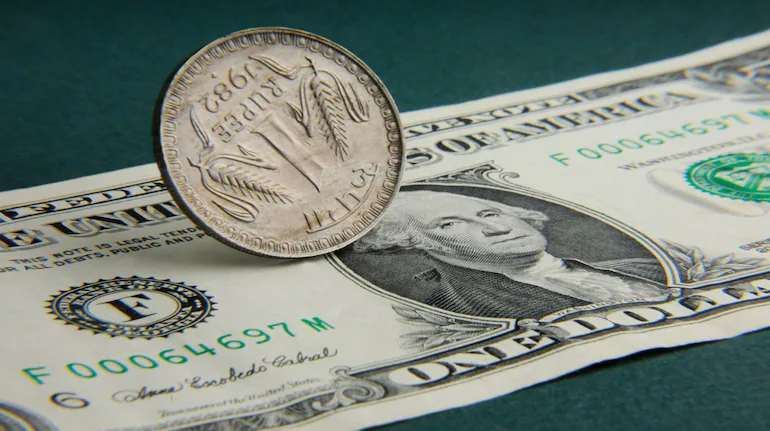
The Indian Rupee opened stronger against the US Dollar on November 3, gaining 24 paise as a sharp decline in crude oil prices and a largely stable dollar index provided support to the domestic currency. The rupee began trading at 94.66 per dollar, compared with its previous close of 94.90.
Currency and financial markets are also keeping a close watch on the US midterm elections and developments in West Asia. Both factors could influence movements in the dollar, crude oil prices and the rupee in the coming sessions.
Rupee Gains as Crude Oil Prices Ease
The decline in international crude oil prices was a key factor supporting the rupee during early trade. Lower oil prices can ease pressure on India’s import bill because the country relies heavily on overseas supplies to meet its energy requirements.
According to market estimates, the rupee is expected to trade in the 94.75–94.78 range during the session. However, currency movements could remain sensitive to changes in oil prices, dollar demand and geopolitical developments.
Brent crude futures had fallen 7.63% in the previous session to $104.77 per barrel. Prices recovered marginally in early trade on November 3, rising 0.12% to around $105 per barrel. US West Texas Intermediate (WTI) crude also edged higher by 0.27% to approximately $97 per barrel.
Despite the modest recovery, crude prices remained below their recent levels following the previous session’s sharp correction. The decline offered some relief to oil-importing economies, including India, where higher energy costs can increase demand for foreign currency and put pressure on the rupee.
West Asia Developments Keep Oil Market Volatile
Developments in West Asia have remained a major influence on global energy markets. On November 1, crude oil prices dropped sharply after diplomatic engagements between Iranian and Qatari officials raised expectations of a possible de-escalation in the US-Israeli conflict with Iran.
Hopes of a diplomatic breakthrough raised the possibility of more stable energy supplies from the oil-rich region. This helped trigger a significant correction in crude prices after concerns about potential supply disruptions had pushed oil higher.
However, the recovery in oil prices on November 3 highlighted that uncertainty has not disappeared. Reports of a US strike on Iran’s Qeshm Island renewed concerns about the possibility of further escalation and disruption to regional energy supplies.
For currency markets, the direction of crude prices is particularly important. A sustained increase in oil prices could raise India’s import costs and increase demand for dollars from domestic oil companies. Conversely, a prolonged decline could help reduce external payment pressures and provide support to the rupee.
Crude Prices Ended October at a Six-Month High
Oil prices finished October at their highest levels in six months as traders remained concerned that the West Asia conflict could intensify after the US midterm elections.
The latest decline has eased some of those concerns, but market participants are not treating the improvement as a clear indication that geopolitical risks have ended. Any fresh military development or change in diplomatic engagement could quickly affect supply expectations and crude prices.
India’s Currency Market will therefore continue to monitor developments in the region. Since crude oil is a major component of the country’s import bill, significant price movements can influence the demand for dollars, inflation expectations and broader financial market sentiment.
Dollar Index Remains Stable Ahead of US Midterm Elections
The US dollar index remained largely unchanged at 101.88 on November 3. The index measures the dollar’s performance against a basket of six major international currencies.
Other major currencies also showed relatively limited movement during early trade. The Japanese yen was stable near 157.93 against the dollar, while the euro traded at approximately 1.1235.
The dollar’s stability provided an additional supportive factor for the rupee. A stronger dollar can generally increase pressure on emerging-market currencies, while a stable or weaker greenback may give them some room to recover.
Investors are now looking towards the US midterm elections for further direction. Voting is taking place on November 3, with results expected the following day. The outcome and its potential implications for US economic and political policy could influence market expectations and currency movements.
Market Participants Advise Exporters and Importers to Watch Currency Levels
Market participants said the rupee’s stronger opening reflected the decline in Brent crude prices and the stability of the dollar index.
One market participant noted that Brent crude was trading around $105.01 per barrel while the dollar index remained at 101.88, supporting the domestic currency at the start of the session.
The participant also highlighted different currency strategies for exporters and importers amid uncertainty over the rupee’s direction. Exporters were advised to sell on upward movements in the dollar-rupee exchange rate, while importers were encouraged to buy on dips to meet their near-term payment requirements.
These suggestions reflect the different currency exposures faced by businesses. Exporters receiving payments in dollars may benefit from converting foreign earnings when the dollar strengthens, while importers need to manage the cost of purchasing dollars for overseas transactions.
Market participants are also monitoring dollar purchases by the Reserve Bank of India (RBI) and the State Bank of India (SBI), which were cited as factors influencing currency demand.
What Could Determine the Rupee’s Next Move?
The rupee’s performance in the near term is likely to depend on a combination of international oil prices, dollar movements and geopolitical developments. The US midterm elections add another source of uncertainty as investors assess the potential implications for global markets.
Three developments will remain particularly important for currency traders:
- Crude oil prices: Further declines could ease pressure on India’s import payments, while a renewed rally may increase demand for dollars.
- West Asia tensions: Any escalation in the conflict involving Iran could revive concerns about energy supply disruptions and trigger volatility in oil and currency markets.
- US midterm elections: The results could influence market expectations about US policy and the direction of the dollar.
Although the rupee’s 24-paise gain at the opening indicates improved sentiment, the currency’s movement will depend on whether the recent decline in crude prices is sustained. With geopolitical uncertainty continuing and the US election results approaching, traders are likely to remain cautious.
Outlook: Rupee Traders Await Fresh Global Cues
The rupee’s stronger opening on November 3 reflects the immediate support provided by lower crude oil prices and a stable dollar index. However, the modest recovery in oil prices during early trade suggests that concerns about West Asia remain active.
For India, the direction of crude oil prices will be especially significant because changes in energy costs can affect the country’s import requirements and foreign exchange demand. Meanwhile, the US midterm election results could provide another important signal for global currency markets.
For now, traders are watching the 94.75–94.78 range indicated by market estimates, alongside movements in Brent crude and the dollar index. The sustainability of the rupee’s gains will depend on how these domestic and international factors develop through the trading session.
For breaking news and live news updates, like us on Facebook or follow us on Twitter and Instagram. Read more on Latest Business on thefoxdaily.com.






COMMENTS 0