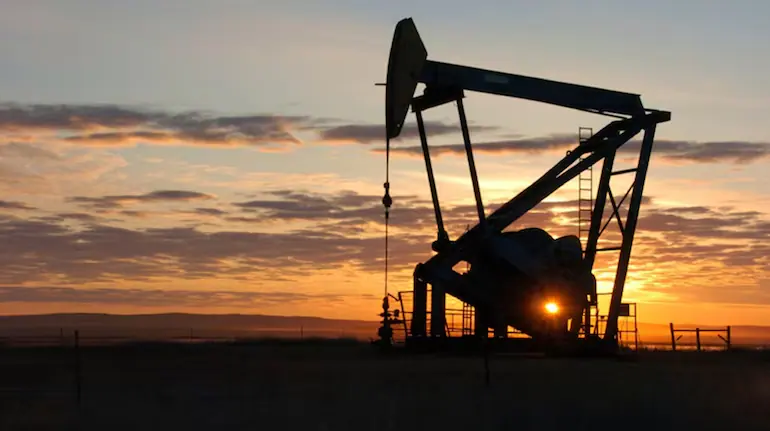
Commodity markets traded higher on November 19 as investors assessed geopolitical risks in the Middle East and changing expectations for US monetary policy. Crude Oil prices remained relatively steady amid uncertainty surrounding the US-Iran conflict and the possibility of fresh attacks against Tehran. Meanwhile, gold recovered from a 14-month low as investors stepped in to buy the precious metal despite growing expectations of further Federal Reserve interest rate hikes.
Brent crude held near $92 a barrel after declining 1.3% in the previous session, while West Texas Intermediate (WTI) traded above $83. In the precious metals market, gold gained as much as 0.8%, moving towards $3,755 an ounce. Silver, platinum and palladium also advanced after experiencing losses in the previous session.
Oil Prices Steady as Traders Monitor US-Iran Tensions
Crude oil prices remained stable as traders evaluated the potential impact of escalating tensions between the United States and Iran. The possibility of fresh US attacks against Tehran has kept geopolitical developments in focus, particularly because instability in the Middle East can affect expectations for global energy supplies.
Brent crude, the international benchmark, hovered near $92 per barrel on Thursday. The price had fallen 1.3% on Wednesday, reflecting a decline in the previous trading session. Meanwhile, US benchmark West Texas Intermediate remained above $83 a barrel.
For oil traders, the central concern is whether tensions between Washington and Tehran could develop into a wider confrontation. Any disruption to energy production or transportation routes in the region could create uncertainty about the availability of crude oil in international markets.
However, the possibility of geopolitical disruption does not automatically translate into higher oil prices. Traders also consider broader supply and demand conditions, economic growth expectations and the outlook for global consumption. These factors can limit price gains even when political tensions increase.
The relatively steady movement in crude prices suggests that investors are assessing the risks rather than responding to the possibility of further conflict with a sharp price increase.
Gold Rebounds From Its Lowest Close Since September 2025
Gold recovered after falling to a 14-month low, with buyers taking advantage of lower prices. Bullion gained as much as 0.8% to approach $3,755 an ounce on Thursday, recovering part of the previous session’s losses.
The rebound followed a sharp 3.2% decline on Wednesday. That drop pushed gold to its lowest closing level since September 2025, creating an opportunity for investors who viewed the lower prices as an attractive entry point.
Dip buying refers to investors purchasing an asset after its price declines, often in the expectation that it could recover. In the gold market, this activity helped provide support after the metal experienced significant selling pressure.
However, the recovery remains challenged by expectations that the US Federal Reserve could raise interest rates further. Higher interest rates generally make interest-bearing assets more attractive relative to gold, which does not generate regular income. This can reduce demand for bullion and place pressure on its price.
As a result, gold is facing two competing forces: buying interest from investors looking to take advantage of lower prices and pressure from expectations of tighter US monetary policy.
Silver, Platinum and Palladium Also Recover
Other precious metals followed gold higher during Thursday’s trading session. Silver gained 1.6% to reach $45.79 an ounce after falling nearly 5% in the previous session.
Wednesday’s decline had pushed silver to its lowest closing level since September 2025. The latest advance therefore represents a partial recovery following substantial selling pressure.
Platinum and palladium also moved higher, extending the recovery across the precious metals market. Their gains indicate that buying interest was not limited to gold, although the available market figures do not establish whether the recovery will continue.
Precious metals can respond to several common market influences, including movements in the US dollar, interest-rate expectations and investor demand. However, individual metals also have different supply and demand characteristics, meaning their prices do not always move by the same amount.
US Dollar Remains Near a 19-Month High
The US dollar remained close to a 19-month high on Thursday after minutes from the Federal Reserve’s meeting and hawkish comments from a central bank official strengthened expectations of additional interest rate increases.
The dollar index was broadly unchanged at 103.81 during early Asian trading. It remained near its highest level since April 2025, reflecting continued support for the US currency.
A hawkish monetary policy outlook generally signals that policymakers are more concerned about inflation and may favour higher interest rates. Expectations of higher US rates can support the dollar because they may increase the attractiveness of dollar-denominated investments.
The currency’s strength is also important for commodities because many internationally traded commodities, including gold and crude oil, are priced in US dollars. When the dollar strengthens, these commodities can become more expensive for buyers using other currencies, potentially affecting international demand.
For gold in particular, a stronger dollar and expectations of higher interest rates can create additional headwinds. This helps explain why bullion’s recovery has taken place despite a relatively firm US currency.
Why Federal Reserve Rate Expectations Matter for Commodity Markets
The Federal Reserve’s interest-rate outlook is one of the major factors influencing financial markets, including commodities. Changes in borrowing costs can affect investment decisions, currency movements and expectations for economic activity.
When investors expect interest rates to rise, the US dollar may receive support as market participants anticipate better returns from dollar-denominated assets. At the same time, higher interest rates can increase the opportunity cost of holding gold because the metal does not pay interest.
Oil prices can also respond indirectly to monetary policy expectations. Higher borrowing costs may influence economic growth and energy consumption, while currency movements can affect the purchasing power of international oil buyers.
Nevertheless, monetary policy is only one part of the Commodity Market outlook. Geopolitical developments, supply conditions and demand trends can influence prices independently of central bank decisions.
What Investors Will Watch Next
Commodity investors are likely to remain focused on developments in the US-Iran relationship, particularly any indication that tensions could escalate into direct military action. A significant change in the geopolitical situation could influence expectations for oil supply and trigger renewed volatility in crude prices.
In the precious metals market, attention will remain on Federal Reserve communications and the direction of the US dollar. Further indications that policymakers favour higher interest rates could put pressure on gold and silver, while continued bargain buying may provide short-term support after recent declines.
The dollar index will also be an important indicator because movements in the US currency can influence the cost of dollar-priced commodities for international buyers.
For now, the November 19 session reflects a market balancing geopolitical uncertainty against monetary policy concerns. Oil is holding relatively steady as traders assess developments involving Iran, while gold and other precious metals are recovering from recent losses. Whether these movements develop into a sustained trend will depend on how geopolitical risks, interest-rate expectations and currency movements evolve.
For breaking news and live news updates, like us on Facebook or follow us on Twitter and Instagram. Read more on Latest Business on thefoxdaily.com.






COMMENTS 0