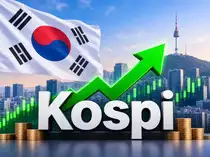
South Korea’s benchmark Kospi index climbed more than 2% on Thursday, November 26, 2026, rebounding from a 10-month low as chipmakers led gains across the market. The recovery followed the Bank of Korea’s decision to raise its benchmark interest rate by 25 basis points to 3.25%, its highest level in two years.
The rate increase marked a resumption of the central bank’s monetary tightening cycle after it paused in October. The decision, alongside an upward revision to the country’s economic growth forecast, provided fresh direction to financial markets as investors assessed the outlook for South Korea’s economy and corporate earnings.
Kospi Rebounds From 10-Month Low
The Kospi’s gain of more than 2% marked a notable recovery after the index had fallen to its lowest level in approximately 10 months. Chipmakers were the primary drivers of Thursday’s rebound, helping lift overall market sentiment.
South Korea’s stock market has significant exposure to the Semiconductor Industry, making movements in major chip companies particularly important for the benchmark index. semiconductor stocks are also sensitive to changes in global technology demand, investment expectations and international market conditions.
The latest advance suggested that investors were responding positively to the broader economic signals accompanying the Bank of Korea’s policy decision. However, a single-session rebound does not necessarily indicate that the market’s recent weakness has ended.
Bank of Korea Raises Interest Rate to 3.25%
The Bank of Korea increased its benchmark interest rate by 25 basis points, taking it to 3.25%. This is the highest level in two years and represents a return to monetary tightening following the central bank’s decision to pause its rate adjustments in October.
A 25-basis-point increase means the policy rate has risen by 0.25 percentage points. Interest-rate decisions influence borrowing costs across the economy, affecting households, businesses, financial institutions and investors.
Higher rates generally make loans more expensive and can moderate borrowing and spending. They can also influence currency movements, bond yields and the valuation of financial assets. For businesses, increased financing costs may affect investment decisions and expansion plans.
The latest increase indicates that the central bank has resumed raising borrowing costs after its October pause. The decision will be closely watched by investors for clues about the Bank of Korea’s assessment of economic conditions and the risks facing the country.
Growth Forecast Revision Adds to Market Focus
The Bank of Korea also raised its economic growth forecast, providing another important development for investors. An improved growth outlook can signal greater confidence in economic activity and the potential resilience of corporate earnings.
Economic growth expectations matter particularly for South Korea because the country has a large export-oriented industrial base. Its performance is closely connected to international demand for manufactured goods, technology products and semiconductors.
Stronger growth expectations may support business confidence and investment sentiment. However, the simultaneous interest-rate increase presents a more complicated picture. While an improved economic outlook can encourage investors, higher borrowing costs may weigh on companies and consumers over time.
The combination of stronger growth expectations and tighter Monetary Policy therefore requires investors to assess both the opportunities and risks for the Korean economy.
Why Chipmakers Led Thursday’s Market Recovery
Semiconductor companies played a leading role in the Kospi’s recovery. South Korea is a major global producer of memory chips and other semiconductor products, making the sector an important component of its equity market.
Chipmakers are influenced by several factors, including global demand for electronic devices, data-centre investment, artificial intelligence infrastructure spending and inventory conditions across the technology supply chain.
Changes in expectations for semiconductor demand can have a substantial effect on investor sentiment. When investors anticipate stronger demand or improving industry conditions, technology stocks may attract buying interest. Conversely, concerns about weaker demand, excess inventory or declining prices can put pressure on the sector.
The leadership of chipmakers in Thursday’s rebound highlights the importance of the semiconductor industry to South Korea’s broader stock-market performance. Their movements can influence the benchmark index even when other sectors experience mixed trading conditions.
What the Interest-Rate Increase Means for Investors
The Bank of Korea’s decision to raise rates to 3.25% introduces several considerations for investors. Higher interest rates can affect equity valuations because future corporate earnings are assessed against the prevailing cost of capital.
When borrowing costs increase, companies may face higher expenses when financing operations, purchasing equipment or expanding production capacity. Businesses that rely heavily on debt may be more exposed to these changes than companies with stronger balance sheets.
Higher rates can also influence investor preferences between equities and fixed-income investments. As returns on interest-bearing assets change, investors may reassess the level of risk they are willing to accept in the stock market.
At the same time, the central bank’s upgraded growth forecast may provide support to businesses if stronger economic activity translates into improved demand and revenue. The overall impact will depend on how economic growth, inflation and financing conditions evolve.
South Korea’s Economic Outlook Remains in Focus
The latest policy decision places South Korea’s economic outlook at the centre of investor attention. The upward revision to the growth forecast suggests that the central bank sees a stronger outlook than previously anticipated, while the rate increase signals a shift back towards tighter monetary conditions.
For investors, the key issue will be whether economic activity remains strong enough to support corporate earnings while the higher interest rate gradually affects borrowing and spending.
The semiconductor industry will remain an important indicator to watch because of its influence on South Korea’s exports and equity-market performance. Developments in global technology demand could therefore play a significant role in shaping sentiment towards Korean stocks.
What to Watch After the Kospi’s 2% Rally
Thursday’s more than 2% advance offers relief after the Kospi’s decline to a 10-month low. However, investors will need further evidence to determine whether the recovery can continue.
Market participants are likely to monitor the Bank of Korea’s future policy decisions, changes in economic growth expectations and developments in the semiconductor industry. Corporate earnings and international technology-market trends will also remain important factors influencing Korean equities.
The latest rate increase and growth forecast revision present two important signals for the market. While stronger growth expectations and buying in chipmakers supported Thursday’s rally, the higher policy rate could influence business financing and investor valuations in the coming months.
For now, the Kospi’s rebound reflects renewed buying interest following a prolonged decline, with investors weighing the implications of the Bank of Korea’s policy shift for South Korea’s economic and market outlook.
For breaking news and live news updates, like us on Facebook or follow us on Twitter and Instagram. Read more on Latest Business on thefoxdaily.com.





COMMENTS 0