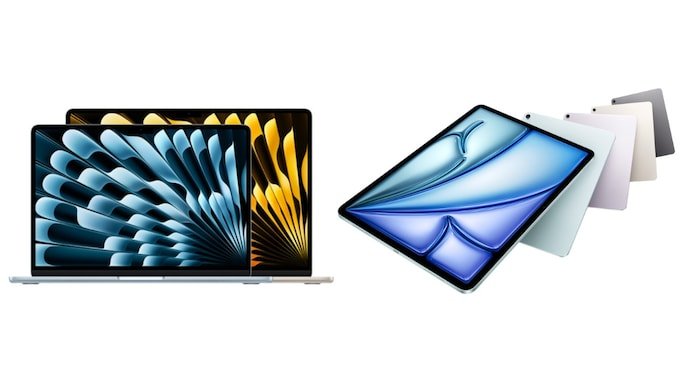
Apple‘s latest price revision has sent shockwaves through India‘s premium technology market. Several MacBook and iPad models have become substantially more expensive, with price increases ranging from ₹10,000 to ₹1 lakh depending on the device and configuration.
The development comes at a time when demand for high-performance computing devices remains strong, particularly among professionals, creators, students, software developers and Business users. However, the sudden jump has raised an important question: Is this merely a temporary adjustment caused by Supply Chain disruptions, or does it signal a new era of permanently higher technology prices?
For consumers planning to enter the Apple ecosystem or upgrade existing devices, understanding the reasons behind these increases is now more important than ever.
Apple’s New India Pricing: What Has Changed?
The latest revision affects multiple categories across Apple’s Mac and iPad portfolio. While Apple products have traditionally carried premium pricing in India, the magnitude of these increases is unusual, especially considering that some devices were launched only recently.
| Device | Previous Price | New Price | Increase |
|---|---|---|---|
| MacBook Air 13-inch (M5) | ₹1,19,900 | ₹1,49,900 | ₹30,000 |
| MacBook Air 15-inch (M5) | ₹1,44,900 | ₹1,79,900 | ₹35,000 |
| MacBook Pro 14-inch (M5) | ₹1,69,900 | ₹2,39,900 | ₹70,000 |
| MacBook Neo | ₹69,900 | ₹79,900 | ₹10,000 |
| MacBook Pro 14-inch (M5 Max) | Varies | Updated | Up to ₹1,00,000 |
| iPad Air 11-inch (M4) | ₹64,900 | ₹89,900 | ₹25,000 |
| iPad Pro 256GB (M5) | ₹99,990 | ₹1,39,900 | ₹39,910 |
The scale of these increases makes this one of the most significant pricing revisions Apple has implemented in India in recent years.
Why Apple Increased Prices
The primary driver behind the price hike appears to be the sharp increase in memory costs across the global Semiconductor Industry.
Modern Apple devices rely heavily on advanced unified memory architectures that integrate RAM directly with the company’s custom silicon chips. This design delivers exceptional performance and efficiency but also makes Apple highly dependent on the availability of premium memory components.
Over the past year, global demand for high-bandwidth memory (HBM), DRAM modules and advanced memory solutions has surged due to the rapid expansion of artificial intelligence infrastructure.
Technology giants developing AI systems are consuming unprecedented volumes of memory chips, creating supply constraints throughout the semiconductor ecosystem.
As a result, manufacturers are paying significantly more for memory components than they did just a year ago.
The AI Boom Is Affecting More Than AI Products
One of the most overlooked aspects of the current technology market is how artificial intelligence is impacting products that have nothing directly to do with AI.
Data centers powering AI models require enormous amounts of advanced memory. Companies such as cloud providers, AI developers and enterprise computing firms are aggressively securing component supplies.
This increased competition has created a ripple effect throughout the technology supply chain.
The same suppliers producing memory for AI servers also manufacture components used in consumer electronics.
When enterprise demand surges, consumer devices inevitably become more expensive.
This is one reason analysts believe memory pricing could remain elevated for an extended period.
Why India Feels the Impact More Strongly
Although Apple has increased prices in several markets, Indian consumers often experience larger effects due to the country’s premium pricing structure.
Several factors contribute to higher retail prices:
- Import duties and taxes.
- Currency fluctuations.
- Logistics and distribution costs.
- Premium market positioning.
- Limited localized manufacturing for some product categories.
When component costs rise globally, these additional factors amplify the final impact on Indian retail prices.
As a result, a global cost increase that appears moderate elsewhere can translate into a much larger jump for Indian buyers.
How Apple’s Product Strategy Has Changed
Apple’s latest pricing move reveals an important shift in strategy.
Rather than reducing hardware specifications or compromising performance to maintain price points, the company appears to be prioritizing product consistency and component quality.
This approach reflects Apple’s broader philosophy of protecting the user experience even when manufacturing costs rise.
For example, recent MacBook and iPad models feature significantly more memory and processing power as standard compared to earlier generations.
Maintaining those specifications amid rising component costs inevitably places pressure on retail pricing.
Apple appears willing to risk slower sales growth rather than dilute its product offerings.
Will Demand for MacBooks and iPads Decline?
Not necessarily.
Historically, Apple’s customer base has demonstrated a relatively high tolerance for price increases compared to many competitors.
Professionals, content creators, software engineers and business users often view Apple devices as productivity tools rather than discretionary purchases.
For these customers, factors such as reliability, ecosystem integration, battery life and software optimization frequently outweigh pricing concerns.
However, the impact may be more visible among:
- Students.
- First-time Apple buyers.
- Budget-conscious consumers.
- Users considering switching platforms.
These segments are generally more sensitive to pricing changes and may delay upgrades or explore alternative options.
The Growing Gap Between Premium and Mainstream Computing
An important trend emerging from this development is the widening gap between premium and mainstream computing devices.
As advanced processors, AI capabilities and high-performance memory become increasingly expensive, flagship devices are moving further away from traditional consumer price points.
This phenomenon is already visible across smartphones, laptops and tablets.
Premium devices are becoming more powerful than ever, but they are also becoming significantly more expensive.
The result is a two-tier technology market:
- Mainstream devices focused on affordability.
- Premium devices optimized for performance and advanced workloads.
Apple’s latest price increases reinforce this broader industry trend.
Could Prices Rise Further?
Industry analysts remain divided on this question.
If memory shortages persist and AI infrastructure investments continue accelerating, component costs could remain elevated well into the future.
Several research firms have warned that semiconductor supply chains remain under pressure despite improvements seen after the pandemic-era disruptions.
Factors that could influence future pricing include:
- Memory production expansion.
- Global semiconductor investments.
- AI-related demand growth.
- Currency movements.
- Trade policies and tariffs.
Should supply conditions improve, some stabilization may occur. However, a return to previous pricing levels appears unlikely in the near term.
Should Buyers Purchase Now or Wait?
The answer depends largely on individual needs.
Users requiring a device immediately for work, education or professional projects may find little benefit in delaying a purchase, especially if further increases occur.
On the other hand, consumers upgrading older devices without urgent requirements may choose to monitor market conditions and seasonal sales events.
Apple products traditionally retain value well and receive long-term software support, making them relatively resilient investments despite higher upfront costs.
Nevertheless, buyers should carefully evaluate whether they genuinely require premium specifications or whether a lower-tier configuration can adequately meet their needs.
What This Means for the Wider Electronics Industry
Perhaps the most significant takeaway is that Apple is often viewed as a bellwether for the broader consumer technology industry.
When a company known for its supply-chain efficiency begins raising prices substantially, it suggests underlying cost pressures are becoming difficult to absorb.
Other manufacturers with less purchasing power and weaker supplier leverage may eventually face similar challenges.
This means consumers could see broader price increases across laptops, tablets, smartphones and related electronics in the months ahead.
Conclusion
Apple’s decision to raise MacBook and iPad prices in India by as much as ₹1 lakh represents more than a routine pricing adjustment. It reflects deeper changes occurring within the global technology industry, including rising memory costs, AI-driven demand for advanced components and ongoing supply-chain pressures.
While the immediate impact will be felt by consumers facing higher purchase costs, the development also signals a broader shift toward more expensive premium computing devices worldwide. For Apple, the strategy appears focused on maintaining product quality and component availability rather than protecting historical price points.
The bigger story is that the economics of technology are changing. As artificial intelligence reshapes semiconductor demand and advanced hardware becomes increasingly valuable, consumers may need to adjust expectations regarding future device pricing. Apple’s latest move could ultimately be remembered not as an isolated price hike, but as an early indicator of a new era in consumer electronics.
For breaking news and live news updates, like us on Facebook or follow us on Twitter and Instagram. Read more on Latest Technology on thefoxdaily.com.






COMMENTS 0