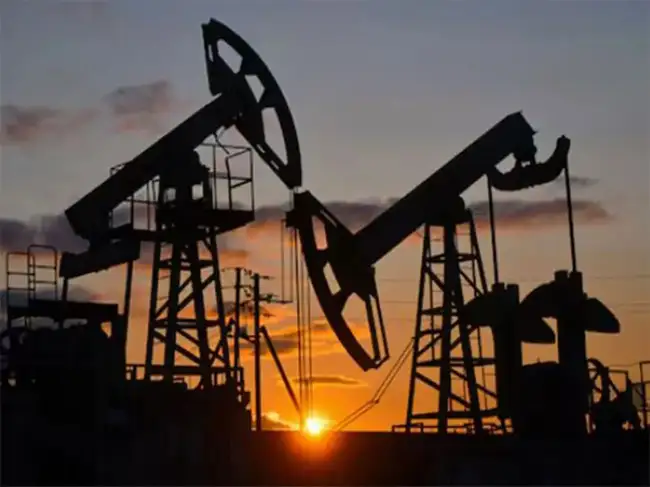
US oil companies are looking to extract more output and value from existing refineries as global supply disruptions tighten fuel markets and increase pressure on energy supply chains. With geopolitical conflicts affecting refining operations in key oil-producing regions, companies are exploring ways to improve refinery utilisation, expand capacity and bring previously closed facilities back into operation.
The disruption has highlighted the strategic importance of refining capacity at a time when global energy markets are facing uncertainty. While higher commodity prices and stronger refining margins have supported earnings for major oil companies, the supply crunch has also increased the importance of maintaining reliable fuel production.
ExxonMobil and Chevron have reported record profits, supported by favourable commodity prices and stronger refining margins. Their results underline how changes in global oil and fuel markets can influence the performance of integrated energy companies, which operate across production, refining and distribution.
US Refiners Look to Maximise Existing Capacity
US oil companies are seeking to improve the performance of their refineries as international supply disruptions create opportunities and challenges for the domestic energy industry. Increasing output from existing facilities can help companies respond to tighter fuel markets without relying entirely on the construction of new plants.
Refinery optimisation can involve improving operational efficiency, reducing maintenance-related downtime and making better use of available processing capacity. Companies may also examine whether previously idled facilities can be restarted economically under current market conditions.
Reopening closed refineries could provide additional production capacity, but such decisions involve significant operational and financial considerations. Facilities may require repairs, equipment upgrades, regulatory approvals and a reliable supply of crude oil before they can return to commercial operations.
The focus on extracting more value from existing assets reflects the importance of refining margins in determining profitability. When the difference between the value of refined products and the cost of crude oil increases, refiners can benefit from stronger returns, provided they can maintain efficient operations.
ExxonMobil and Chevron Benefit From Strong Energy Markets
Major US energy companies ExxonMobil and Chevron have reported record profits amid higher commodity prices and stronger refining margins. Their performance reflects the impact of global energy-market conditions on companies with businesses spanning oil production, refining and fuel distribution.
Higher commodity prices can increase revenue from upstream Oil and Gas production, while stronger refining margins can improve earnings from downstream operations. For integrated energy companies, the combination of these market conditions can provide support across different parts of their businesses.
However, elevated profits do not necessarily mean that the industry is free from supply challenges. Refiners must continue managing crude availability, operating costs, maintenance requirements and uncertainty surrounding international trade flows.
The current environment has also reinforced the value of operational flexibility. Companies with the ability to adjust refinery operations and respond to changing product demand may be better positioned to navigate disruptions in global supply chains.
Geopolitical Conflicts Disrupt Global Refining Output
Ongoing conflicts have severely affected refining output in important parts of the global energy market, particularly in Russia and Iran. Disruptions to refining operations in these countries have added pressure to an already uncertain supply environment.
Refineries play a critical role in converting crude oil into products such as petrol, diesel and aviation fuel. Any significant reduction in processing capacity can affect the availability of finished fuels, even when crude oil supplies remain accessible.
Geopolitical tensions can also create uncertainty around transportation, trade routes, insurance and the movement of petroleum products. These factors can complicate supply arrangements and increase the time and cost involved in delivering fuel to buyers.
For refiners in the United States and elsewhere, disruptions in major producing regions can change the balance between available supplies and demand for refined products. This can influence trading patterns, refinery utilisation decisions and regional fuel prices.
Russian Refining Hit by Ongoing Disruptions
Russia has been among the countries facing significant pressure on its refining sector amid ongoing geopolitical conflict. Disruptions to refining operations have affected the availability of petroleum products and added uncertainty to international fuel markets.
Reduced refining activity can have consequences beyond the domestic market. Russia is an important participant in global energy trade, and changes in its refining output can influence the movement of fuel supplies between regions.
When refining capacity is disrupted, other producers may face pressure to compensate for the missing volumes. However, additional output cannot always be brought online immediately, particularly when facilities are already operating at high utilisation rates or require maintenance.
The impact of disruptions in Russia also depends on the duration of operational constraints and the ability of other suppliers to adjust their production and exports.
Iran-Related Disruptions Add to Supply Uncertainty
Iran has also been identified as a major source of disruption to global refining output amid ongoing conflict. Any sustained reduction in refining activity can tighten the availability of fuel products and increase uncertainty for buyers and traders.
Energy markets are particularly sensitive to disruptions in regions that play an important role in oil production, processing and transportation. Even when the full extent of a supply interruption is unclear, concerns about future availability can influence market expectations and commercial decisions.
For US oil companies, these developments create a complicated operating environment. Stronger refining margins can improve profitability, but supply disruptions may also increase competition for crude oil and refined products, making procurement and logistics more challenging.
Why Refinery Capacity Matters During a Supply Crunch
Crude oil production and refining capacity are two separate parts of the energy supply chain. Producing more crude does not automatically guarantee that sufficient petrol, diesel and other fuels will be available. The crude must first be processed at refineries capable of producing the required products.
This distinction becomes particularly important during periods of geopolitical disruption. If refining operations are interrupted, the market can face shortages of specific petroleum products even when crude oil remains available from alternative suppliers.
Increasing refinery utilisation in the United States could help address some of these pressures. However, the ability of domestic refiners to compensate for global disruptions depends on available capacity, crude grades, equipment configuration and the demand for individual fuel products.
Refinery expansion and restarts can therefore support supply resilience, but they cannot immediately replace all the production lost during major international disruptions.
Supply Chains May Take Until Next Year to Stabilise
Analysts suggest that global energy supply chains may need until next year to stabilise. The recovery will depend on how quickly refining operations in disrupted regions return to normal and whether other producers can increase output to offset supply losses.
Even after refinery operations resume, supply chains may take additional time to recover. Crude procurement, transportation, product distribution and commercial contracts all need to adjust to changing market conditions.
For oil companies, the period ahead is likely to involve balancing higher production opportunities against operational risks and uncertain market conditions. Refiners will also need to assess whether current margins justify additional investment or the reopening of previously closed facilities.
What the Supply Crunch Means for the US Oil Industry
The global supply crunch has renewed attention on the importance of US refining capacity. Companies are looking to improve output from existing facilities and consider reopening closed plants as disruptions in Russia and Iran affect global refining operations.
Record profits at ExxonMobil and Chevron demonstrate how strong commodity prices and refining margins can benefit major energy companies. However, the longer-term outlook will depend on the duration of geopolitical disruptions, the availability of crude oil and the pace at which international supply chains recover.
With analysts expecting stabilisation to take time, refinery efficiency and operational flexibility are likely to remain important priorities for the US oil industry. The ability to increase production from existing assets could help companies respond to market pressures while supporting fuel availability during a period of global uncertainty.
For breaking news and live news updates, like us on Facebook or follow us on Twitter and Instagram. Read more on Latest Business on thefoxdaily.com.






COMMENTS 0