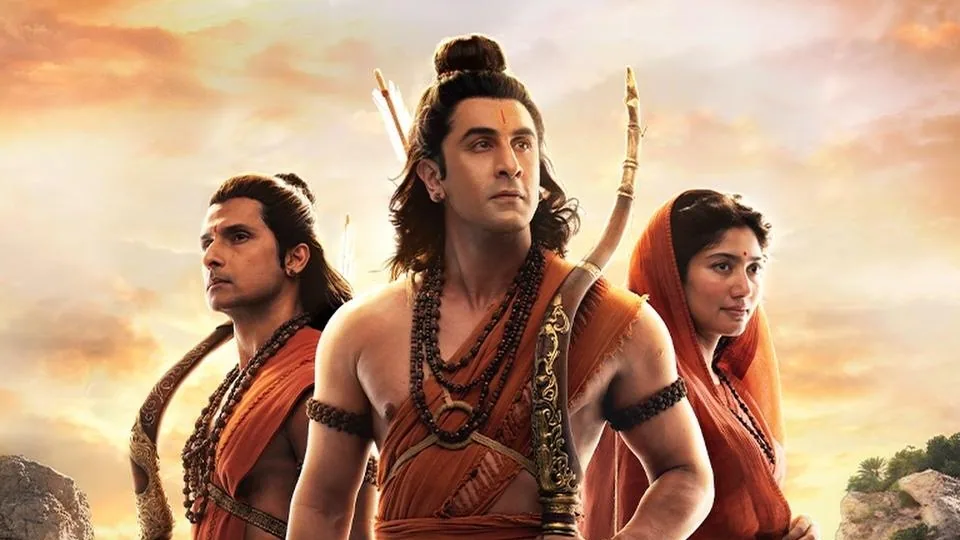
Ramayana has reached a major box office milestone, crossing the ₹1,000 crore mark worldwide within 23 days of its theatrical release. The mythological drama, featuring Ranbir Kapoor as Lord Rama, Sai Pallavi as Sita and Yash as Ravana, has joined a select group of Indian films that have achieved the significant commercial benchmark.
Released in cinemas on November 5, 2026, the film was among the most anticipated theatrical projects of the year. Its opening-week performance established strong momentum, with the makers reporting substantial advance bookings and impressive collections during the initial days. The film had also crossed ₹500 crore within six days of release, setting the stage for its continued box office run.
According to the latest figures provided, Ramayana has accumulated ₹1,000.55 crore worldwide by Day 23. The achievement places it among the highest-grossing Indian productions and adds another major commercial success to the careers of its leading stars.
Ramayana Crosses ₹1,000 Crore at the Box Office on Day 23
The ₹1,000 crore milestone represents a significant achievement for Ramayana, particularly given the scale of its production and the expectations surrounding its release. The film maintained strong audience interest during its opening phase and continued attracting viewers after its initial surge.
The film reportedly collected ₹64.85 crore in India on its opening day, securing the fourth-highest opening in Bollywood history, according to the figures supplied. Its performance strengthened over the following days, with Monday collections reaching ₹107 crore net and Tuesday collections standing at ₹94 crore net.
These early numbers helped the film build a substantial box office total in a short period. Crossing ₹500 crore within six days further demonstrated the scale of its initial theatrical reception.
However, maintaining that momentum became more challenging as the film entered its third week. Like many major theatrical releases, Ramayana experienced a slowdown in daily collections after its strong opening period. The makers responded by reducing ticket prices across India in an effort to encourage more people to watch the film in theatres.
The strategy appears to have helped the film maintain a relatively steady weekday performance. Lower ticket prices can make theatrical outings more accessible, particularly when a film is moving beyond its initial release window and competing for repeat and new audiences.
Day 23 Collection: Film Records ₹8.45 Crore
On its 23rd day, Ramayana reportedly added ₹8.45 crore to its overall collection, taking the worldwide total to ₹1,000.55 crore. The latest figure marks the film’s entry into the ₹1,000 crore club, even as its daily earnings remain considerably lower than the opening-week numbers.
The film’s third-week performance shows the difference between the initial excitement surrounding a major release and the longer process of sustaining theatrical footfall. While the first few days were driven by advance bookings, opening-day interest and strong audience anticipation, the later weeks depend on continued demand and the film’s ability to remain relevant among moviegoers.
The supplied collection figures also indicate a slight improvement in weekday earnings before Day 23. On Thursday, the film collected ₹9.65 crore, compared with ₹9.50 crore on the previous day.
Although these daily figures are smaller than the film’s opening collections, their relative stability helped it continue adding to its cumulative total. Reaching ₹1,000 crore during this phase gives the film a major commercial distinction, even as its theatrical run moves into another stage.
Ramayana Becomes the Fourth Indian Film to Cross ₹1,000 Crore
With its latest reported collection, Ramayana has become the fourth Indian film to cross the ₹1,000 crore box office milestone. It joins a list that includes Baahubali 2: The Conclusion, Pushpa 2: The Rule and Dhurandhar 2: The Revenge.
The milestone is particularly notable because films from different Indian film industries have contributed to the growing number of productions reaching this level. Large-scale theatrical releases, strong audience interest and wider market reach have helped some Indian films achieve box office totals that were once considered exceptional.
For Bollywood, the achievement also carries significance. Ramayana is the second Hindi film in the supplied list to cross ₹1,000 crore, following Dhurandhar 2, which released earlier in 2026.
The comparison places the film within a relatively exclusive commercial category. However, box office milestones should be understood in the context of the figures being reported, including whether collections refer to domestic net earnings, domestic gross or worldwide gross. These measures are different and should not be treated as interchangeable.
For audiences and the film industry, the ₹1,000 crore benchmark has become an important indicator of a film’s commercial reach. Yet it does not, by itself, establish critical reception, profitability or the long-term cultural impact of a production.
How Advance Bookings Helped Build Ramayana’s Opening
Expectations surrounding Ramayana were high well before its theatrical release. Advance bookings opened on Dussehra, October 21, approximately 15 days before the film arrived in cinemas.
By release day, the film had reportedly sold tickets worth ₹200 crore worldwide through advance bookings. Such early demand indicated that audiences were keen to experience the cinematic adaptation, particularly given its connection to one of India’s most familiar epics and its prominent cast.
Advance bookings are an important part of the box office picture for large theatrical releases. They provide an early indication of audience interest and can contribute significantly to opening-day collections. However, sustained performance depends on whether that initial anticipation translates into continued ticket sales after the first few days.
In Ramayana‘s case, the opening-day collection of ₹64.85 crore in India was followed by strong weekday earnings. The reported Monday and Tuesday figures further strengthened its early box office position.
The film’s ability to reach the ₹1,000 crore mark by Day 23 suggests that its commercial performance extended beyond the initial advance-booking excitement.
Why Ramayana Has Attracted So Much Attention
One of the key factors behind the anticipation surrounding Ramayana is the source material itself. The film adapts the ancient epic traditionally attributed to Valmiki, which tells the story of Lord Rama, his exile, the abduction of Sita by Ravana and the eventual battle to rescue her.
The story has been retold through religious traditions, literature, theatre, television and cinema for generations. Its central characters are widely recognised, while different communities and audiences may have their own interpretations of their personalities and significance.
Bringing such a familiar narrative to a large theatrical production creates both an opportunity and a challenge. The filmmakers can draw on an established story with enormous cultural recognition, but they must also make creative decisions about how to present its characters, emotions and events to contemporary audiences.
The scale of the project and its ensemble cast have added to public interest. Ranbir Kapoor’s portrayal of Lord Rama, Sai Pallavi’s casting as Sita and Yash’s appearance as Ravana have been among the major talking points surrounding the film.
The combination of a familiar epic, prominent performers and an ambitious two-part format has helped position Ramayana as one of the major cinematic releases of 2026.
Ramayana Cast: Ranbir Kapoor, Sai Pallavi and Yash Lead the Film
Ramayana brings together performers from different parts of the Indian film industry. Ranbir Kapoor plays Lord Rama, while Sai Pallavi portrays Sita. Yash appears as Ravana, the central antagonist in the epic’s conflict.
Ravie Dubey plays Lakshman, Lord Rama’s brother, and Sunny Deol portrays Lord Hanuman. Their characters form an important part of the narrative, which centres on Rama’s journey and the events leading to the confrontation with Ravana.
The casting has brought together actors with established audiences across Hindi, Kannada and South Indian Cinema. This combination has also contributed to the film’s wider appeal beyond a single language market.
For the performers, taking on characters with such a strong cultural presence involves expectations that are different from those surrounding fictional characters created specifically for a film. Audiences may already have deeply familiar ideas about how these figures should be portrayed, making performances and character interpretations an important part of the viewing experience.
Who Is Behind the Two-Part Ramayana Film?
The cinematic adaptation is produced by Namit Malhotra’s Prime Focus Studios in collaboration with DNEG and Yash’s Monster Mind Creations. The production is planned as a two-part film, allowing the epic’s expansive narrative to be presented across separate theatrical instalments.
The first part arrived in cinemas worldwide on November 5, 2026. The second instalment is scheduled for a Diwali 2028 release, extending the project beyond its initial theatrical chapter.
A two-part structure offers filmmakers more room to explore a story with multiple characters, locations and interconnected events. Rather than compressing the entire epic into a single film, the format allows the narrative to unfold over a longer period.
It also means that the first instalment’s box office performance is only one part of the project’s larger commercial journey. Audience interest in the continuation, the reception of the first film and the eventual release of the second chapter will all shape how the overall adaptation is received.
What the ₹1,000 Crore Milestone Means for Ramayana’s Box Office Run
Crossing ₹1,000 crore worldwide gives Ramayana a major place in the commercial history of Indian cinema. It demonstrates the scale of audience interest in the film and places it alongside some of the industry’s biggest box office performers.
At the same time, the milestone should be viewed alongside the film’s changing daily collections. Its opening week delivered exceptionally strong numbers, while the third week brought a slowdown. The reduction in ticket prices appears to have supported weekday collections, but the film’s future performance will depend on how much theatrical demand remains.
The achievement also highlights the commercial potential of large-scale Indian stories that can attract audiences across regions. Mythological narratives have a long history in Indian entertainment, but their theatrical presentation continues to evolve with changing filmmaking approaches and audience expectations.
For Ranbir Kapoor, Sai Pallavi and Yash, the milestone adds another significant achievement to a film that has attracted considerable attention since its announcement and release. With the second instalment planned for Diwali 2028, the story is not yet complete on screen.
For now, Ramayana has secured its place among the Indian films to cross the ₹1,000 crore mark. Its Day 23 collection of ₹8.45 crore and reported worldwide total of ₹1,000.55 crore mark a major moment in its theatrical journey, while the upcoming second part gives audiences another chapter to anticipate.
For breaking news and live news updates, like us on Facebook or follow us on Twitter and Instagram. Read more on Latest Entertainment on thefoxdaily.com.






COMMENTS 0