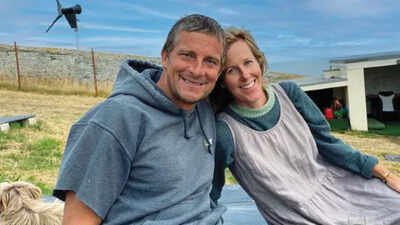
Known for his survival skills and outdoor adventures, Bear Grylls chose a property that reflected his interest in nature and remote living. However, the island was far from a luxurious, ready-to-move-in home. Transforming its neglected buildings into a comfortable place for the family required years of renovation and considerable effort.
Why Bear Grylls Chose an Island Instead of a London Home
According to reports, Bear and Shara were exploring property options around London when they realised how expensive conventional homes could be. The opportunity to purchase a private island, together with a houseboat, presented a different possibility.
The island, known as St Tudwal’s Island West, is located off the Llŷn Peninsula in North Wales. Its rugged coastline, remote setting and historic structures made it a distinctive choice for the couple.
Rather than opting for a typical urban property, the couple invested in a location that offered privacy, outdoor exploration and a closer connection with nature. The purchase also reflected a willingness to take on a challenging project instead of choosing a conventional home.
A Run-Down Property That Needed Years of Work
The island’s existing buildings were in poor condition when Grylls acquired the property. Reports describe an old lighthouse and neglected cottages that lacked essential modern facilities, including a reliable electricity supply and running water.
Grylls and his friends spent years working on the buildings, with the renovation of the main cottage taking approximately four years. The project involved turning the neglected structures into a more practical home suitable for family stays.
The result was a retreat that combined the island’s rugged character with the comforts needed for everyday living. The renovation also demonstrated that buying a remote property can involve far more than the initial purchase price, particularly when the buildings require extensive repairs and the location presents logistical challenges.
How the Island Became a Family Retreat
For Grylls, the island offered something different from the demands of his television career and frequent travels. The remote setting created an opportunity for him, Shara and their three sons to spend time together away from busy schedules.
Reaching the island requires travelling by boat, and transporting food and other supplies is part of the experience. Its location also means that weather and sea conditions can make access more difficult, particularly during rough periods.
These challenges are a long way from the convenience of a conventional city home. However, the island’s isolation is also part of its appeal, providing space for outdoor activities, family time and a slower pace of life.
Living Off the Grid With Wind, Solar Power and Rainwater
The island home has also become an example of remote living supported by alternative resources. In interviews reported by the media, Grylls has described the property as being off the grid, with wind and solar energy helping power the house and rainwater collected for use.
Such arrangements are particularly important in a location without the usual connections to public electricity and water networks. They also require planning, maintenance and an understanding of the limitations that come with living in an isolated environment.
While an off-grid home may appear appealing to people seeking privacy and independence, it is not necessarily an easy lifestyle. Supplies must be transported, repairs can be more complicated, and residents need to prepare for changing weather conditions.
Bear Grylls’ Property Choice Reflects His Adventurous Lifestyle
Bear Grylls became widely recognised for television programmes centred on wilderness survival and outdoor challenges. His island property reflects a similar interest in nature, although the purpose of the retreat extends beyond adventure alone.
The property provides a place where the family can enjoy the surrounding coastline and outdoor activities while stepping away from the pace of everyday professional life. Its remote location offers a different kind of luxury: privacy, open space and time together rather than the features typically associated with expensive urban homes.
The island also illustrates the difference between purchasing an unusual property and making it habitable. Years of renovation, careful planning and the practical demands of remote living have all played a part in turning the site into a family retreat.
Conclusion
Bear Grylls and Shara Grylls’ decision to purchase a 20-acre Welsh island in 2001 stands out as an unusual property story. Instead of choosing only a conventional London home, the couple invested in a remote island and a houseboat, taking on a project that required years of work.
From renovating neglected buildings to relying on alternative sources of power and water, the property has developed into a distinctive place for family life. The story offers a glimpse into Grylls’ preference for adventure and the practical realities of creating a home in an isolated coastal setting.
For the Grylls family, the island is more than an unusual real-estate investment. It represents a way of living shaped by nature, independence and the opportunity to spend time together away from the demands of a busy public life.
For breaking news and live news updates, like us on Facebook or follow us on Twitter and Instagram. Read more on Latest Health on thefoxdaily.com.

COMMENTS 0