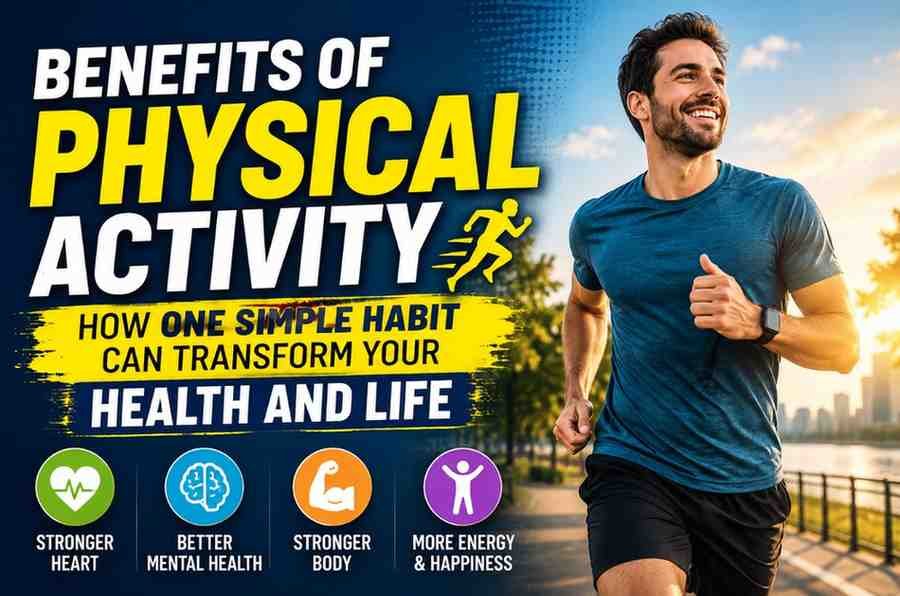
What if one simple habit could improve your heart, sharpen your mind, lift your mood, and even extend your life? That habit is physical activity. Who needs it? Everyone from children to older adults, regardless of fitness level. What does it do? It strengthens the body, protects against chronic diseases, and enhances mental well being. When should you start? Right now because benefits begin almost immediately. Where can you do it? Anywhere: at home, outdoors, or even at work. Why is it so important? Because inactivity is one of the leading risk factors for poor health worldwide. How does it work? By triggering powerful biological changes that improve how your body and mind function.
This article goes beyond basic advice. It explores the real benefits of physical activity, the science behind them, and how small, consistent actions can reshape your health for the long term.
Understanding Physical Activity: More Than Just Exercise
When people hear “exercise,” they often imagine intense workouts or expensive gym memberships. But physical activity is much broader.
It includes:
- Walking, cycling, or climbing stairs
- Household chores like cleaning or gardening
- Structured workouts like strength training or yoga
Key insight: Movement not perfection is what matters. Your body doesn’t care whether you’re in a gym or dancing in your room. It responds to activity.
Top Health Benefits of Physical Activity
1. Reduces Risk of Chronic Diseases
One of the most powerful benefits of physical activity is disease prevention. Regular movement helps lower the risk of:
- Heart disease
- High blood pressure
- Type 2 diabetes
- Stroke
Why it works: Exercise improves blood circulation, regulates blood sugar, and strengthens the cardiovascular system.
Expert insight: Physical activity acts like a “natural medicine” by targeting multiple risk factors at once.
2. Supports Healthy Weight Management
Weight control isn’t just about eating less it’s about balancing energy.
Physical activity helps you:
- Burn calories
- Build muscle (which burns more energy at rest)
- Maintain long term weight stability
Important: Sustainable weight loss comes from combining movement with healthy eating not extreme dieting.
3. Improves Mental Health and Mood
Ever notice how you feel better after a walk? That’s not a coincidence.
Physical activity:
- Releases endorphins (feel-good hormones)
- Reduces stress and anxiety
- Improves sleep quality
Insight: Exercise is one of the most underused tools for mental health. It’s not a replacement for therapy, but it’s a powerful complement.
4. Boosts Energy and Daily Performance
It may seem counterintuitive, but moving more actually gives you more energy.
How?
- Improves oxygen flow in the body
- Enhances muscle efficiency
- Reduces fatigue over time
Real-world impact: People who stay active often feel more productive and less drained during the day.
5. Lowers Risk of Certain Cancers
Research shows that regular physical activity may reduce the risk of cancers such as:
- Colon cancer
- Breast cancer
Why it matters: Exercise helps regulate hormones, reduce inflammation, and improve immune function all of which play a role in cancer prevention.
Quality of Life: The Hidden Benefit Most People Overlook
While disease prevention gets most of the attention, the everyday benefits of physical activity are just as important.
Being active can help you:
- Feel happier and more confident
- Move more easily without pain or stiffness
- Stay independent as you age
Insight: Physical activity doesn’t just add years to your life it adds life to your years.
Who Should Be Physically Active? (Short Answer: Everyone)
There’s a common myth that exercise is only for young or athletic people. In reality, everyone benefits.
This includes:
- Children and teenagers
- Adults of all fitness levels
- Older adults
- People with disabilities or chronic conditions
Key takeaway: Physical activity is adaptable. It can be modified to suit any ability level or health condition.
How Much Physical Activity Do You Actually Need?
You don’t need hours in the gym to see results.
| Type of Activity | Recommended Amount |
|---|---|
| Moderate activity (walking, cycling) | 150 minutes per week |
| Vigorous activity (running, sports) | 75 minutes per week |
| Strength training | 2 days per week |
Simple rule: Move more, sit less. Even small amounts of activity are better than none.
Common Barriers and How to Overcome Them
Let’s be honest: knowing the benefits is one thing, but sticking to a routine is another.
“I don’t have time”
Break activity into short sessions 10 minutes here and there adds up.
“It’s too expensive”
You don’t need a gym. Walking, bodyweight exercises, and home workouts are free.
“It’s boring”
Choose activities you enjoy music, sports, or group classes can make it fun.
Insight: The best exercise is the one you’ll actually do consistently.
Comparison: Active Lifestyle vs Sedentary Lifestyle
| Factor | Active Lifestyle | Sedentary Lifestyle |
|---|---|---|
| Energy Levels | High and stable | Low and inconsistent |
| Disease Risk | Lower | Higher |
| Mood | Improved | Often affected negatively |
| Long-term Health | Stronger and more resilient | Greater health complications |
Takeaway: The difference between these two lifestyles compounds over time small daily choices lead to dramatically different outcomes.
The Science Behind Why Physical Activity Works
Physical activity triggers a chain reaction inside your body:
- Improves insulin sensitivity
- Strengthens the heart muscle
- Enhances brain function and memory
- Reduces inflammation
Expert-level insight: Exercise doesn’t target just one system it optimizes multiple systems simultaneously, making it one of the most efficient health interventions available.
A Unique Perspective: Physical Activity as Preventive Medicine
Here’s a perspective often overlooked: physical activity is not just a lifestyle choice it’s preventive medicine.
If packaged as a pill, exercise would likely be one of the most prescribed “treatments” in the world.
Why?
- It prevents multiple diseases at once
- It has minimal side effects
- It improves both physical and mental health
Prediction: Future healthcare systems will increasingly prescribe structured physical activity programs as part of standard treatment plans.
How to Start (Without Overwhelming Yourself)
Starting is often the hardest part. The key is simplicity.
- Begin with short walks
- Set realistic goals
- Track your progress
- Celebrate small wins
Pro tip: Consistency beats intensity. A daily 20-minute walk is more powerful than an occasional intense workout.
Conclusion: One Habit, Endless Benefits
The benefits of physical activity go far beyond fitness they touch every aspect of your life, from your physical health to your mental well being and even your productivity.
You don’t need perfection, expensive equipment, or hours of free time. You just need to start moving.
Final thought: Your future health is built on what you do today. Every step, every stretch, every bit of movement counts.
Future outlook: As awareness grows, physical activity will likely become one of the most emphasized pillars of modern health because its impact is simply too powerful to ignore.
For breaking news and live news updates, like us on Facebook or follow us on Twitter and Instagram. Read more on Latest Health on thefoxdaily.com.





COMMENTS 0