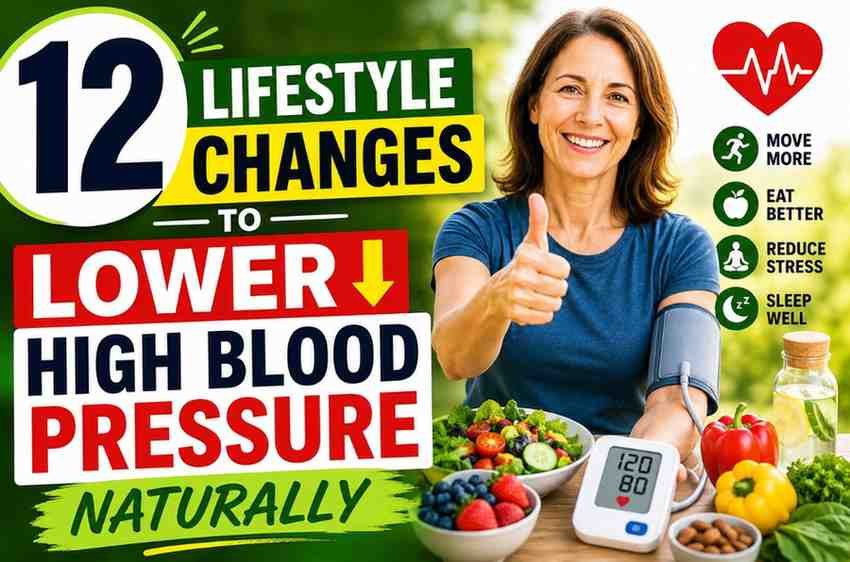
High blood pressure often called the “silent killer” doesn’t usually come with warning signs, yet it quietly increases the risk of heart disease, stroke, and other serious Health problems. Who does it affect? Millions of people worldwide, including those who feel perfectly healthy. What can be done when medication alone isn’t enough? Lifestyle changes. When should you start? As early as possible. Where does the change begin? Right in your daily habits. Why does it matter? Because small, consistent actions can dramatically improve long term health outcomes. How do you make those changes? By focusing on evidence-based habits that work together not in isolation to bring your numbers down.
This guide goes beyond surface level advice. It explains not just what to do, but why these changes work, how they interact, and what impact they can have in real life.
Understanding High Blood Pressure: The Bigger Picture
Before diving into solutions, it’s important to understand the problem. Blood pressure measures the force of blood pushing against artery walls. When that force stays consistently high, it strains the cardiovascular system.
What makes hypertension particularly dangerous is its invisibility. You can feel fine while damage slowly builds inside your arteries, heart, and kidneys. That’s why lifestyle changes are not just “optional add-ons” to medication they are essential.
Key insight: Medication can control symptoms, but lifestyle changes address root causes like poor diet, inactivity, stress, and metabolic imbalance.
1. Move More: Exercise as a Natural Blood Pressure Regulator
Regular physical activity is one of the most effective ways to lower blood pressure naturally. Exercise strengthens the heart, allowing it to pump blood with less effort, which reduces pressure on arteries.
Aim for:
- 150 minutes of moderate aerobic activity weekly (like brisk walking)
- Or 75 minutes of vigorous activity (like running)
- Plus strength training 2–3 times per week
Why it works: Exercise improves blood vessel flexibility and reduces resistance in the arteries.
Real world impact: Even small increases in activity like daily walks can lower systolic blood pressure by several points.
2. Eat Smarter: Food as a Blood Pressure Tool
Your diet directly affects your blood pressure. Diets rich in whole, unprocessed foods support heart health, while processed foods do the opposite.
Focus on:
- Fruits and vegetables
- Whole grains
- Lean proteins like fish and poultry
- Healthy fats such as olive oil
Two proven dietary patterns:
- DASH diet (Dietary Approaches to Stop Hypertension)
- Mediterranean diet
Why it works: These diets reduce inflammation, improve vascular health, and provide essential nutrients that regulate blood pressure.
3. Cut Back on Sodium: The Hidden Trigger
Too much sodium is one of the biggest contributors to high blood pressure. Most people consume far more than they realize—mainly from processed foods.
Recommended limit: About 2,000 mg per day
Practical tips:
- Read food labels carefully
- Choose low sodium or sodium-free products
- Cook more meals at home
- Use herbs and spices instead of salt
Insight: Reducing sodium doesn’t just lower blood pressure it also improves how your body responds to medication.
4. Increase Potassium Intake: Balance Matters
Potassium helps counteract sodium’s effects by relaxing blood vessels and removing excess sodium through urine.
Potassium rich foods include:
- Bananas and oranges
- Leafy greens
- Potatoes (with skin)
- Beans and lentils
Why it matters: Blood pressure isn’t just about reducing harmful nutrients it’s about increasing protective ones.
5. Choose Drinks Wisely: What You Sip Matters
What you drink can influence your blood pressure more than you might think.
- Alcohol: Raises blood pressure best minimized or avoided
- Caffeine: May cause temporary spikes
- Water: Essential for maintaining healthy circulation
Key takeaway: Hydration supports healthy blood volume and prevents unnecessary strain on your heart.
6. Quit Smoking: Immediate and Long-Term Benefits
Smoking damages blood vessels and accelerates plaque buildup, making hypertension more dangerous.
What happens when you quit:
- Heart rate drops
- Blood pressure improves
- Risk of heart attack and stroke decreases
Insight: Smoking doesn’t just coexist with high blood pressure it amplifies its risks significantly.
7. Improve Sleep Quality: The Overlooked Factor
Sleep is often underestimated, yet poor sleep is strongly linked to hypertension.
Aim for at least 7 hours of quality sleep per night.
Better sleep habits:
- Stick to a consistent schedule
- Keep your room cool and dark
- Avoid screens before bedtime
Why it works: Sleep regulates hormones that control blood pressure and stress levels.
8. Manage Stress: The Silent Contributor
Chronic stress keeps your body in a constant state of tension, raising blood pressure over time.
Effective stress management techniques include:
- Deep breathing exercises
- Meditation
- Yoga
- Engaging in hobbies
Insight: Stress doesn’t just affect your mind it has measurable physical effects on your cardiovascular system.
9. Lose Weight If Needed: Small Changes, Big Impact
Excess weight forces your heart to work harder, increasing blood pressure.
Even modest weight loss matters: Losing just 5–10% of your body weight can significantly improve blood pressure.
| Weight Loss | Potential Blood Pressure Impact |
|---|---|
| 5 pounds | Noticeable improvement |
| 10 pounds | Significant reduction |
| 15+ pounds | Major cardiovascular benefit |
Why it works: Less body mass reduces strain on the heart and improves metabolic health.
10. Stick to Your Medication Plan
Even the best lifestyle habits can’t replace medication when it’s needed. But consistency is key.
Common issue: Many people forget or skip doses, reducing effectiveness.
Solutions:
- Set reminders
- Use pill organizers
- Talk to your doctor about side effects
Important reminder: Feeling fine doesn’t mean your blood pressure is under control.
11. Make It a Team Effort
Lifestyle changes are easier and more sustainable—when you’re not doing them alone.
Involve your family or friends by:
- Cooking healthy meals together
- Exercising as a group
- Supporting each other’s goals
Insight: Social support increases long term success rates in lifestyle changes.
12. Celebrate Progress: Motivation Matters
Managing blood pressure is a long-term journey, not a quick fix. Recognizing progress keeps you motivated.
Celebrate:
- Lower readings
- Healthier food choices
- Consistent exercise habits
Why it works: Positive reinforcement strengthens habits and builds momentum.
Comparison Insight: Medication vs. Lifestyle Changes
| Approach | What It Does | Limitations |
|---|---|---|
| Medication | Controls blood pressure quickly | Doesn’t address root causes |
| Lifestyle Changes | Improves overall health and prevents disease | Takes time and consistency |
| Combined Approach | Best long term results | Requires commitment |
Key takeaway: The most effective strategy is combining both not choosing one over the other.
Why These Changes Work Better Together
Each lifestyle change has its own benefit, but their real power comes from synergy.
For example:
- Exercise improves sleep
- Better sleep reduces stress
- Lower stress supports healthy eating
This creates a positive feedback loop that amplifies results over time.
Future Outlook: A Shift Toward Preventive Health
Healthcare is increasingly moving toward prevention rather than treatment. Managing blood pressure through lifestyle changes reflects this shift.
Prediction: In the future, personalized lifestyle plans based on genetics and behavior may become the primary way to manage hypertension.
This means the habits you build today are not just temporary fixes they are long-term investments in your health.
Conclusion: Small Changes, Lifelong Impact
Lowering high blood pressure naturally isn’t about drastic overhauls it’s about consistent, manageable changes that add up over time.
From moving more and eating better to managing stress and improving sleep, each step contributes to a healthier cardiovascular system.
The bottom line: You don’t need to do everything at once. Start with one change, build momentum, and let each success lead to the next. Over time, these small decisions can transform not just your blood pressure but your overall quality of life.
For breaking news and live news updates, like us on Facebook or follow us on Twitter and Instagram. Read more on Latest Health on thefoxdaily.com.






COMMENTS 0