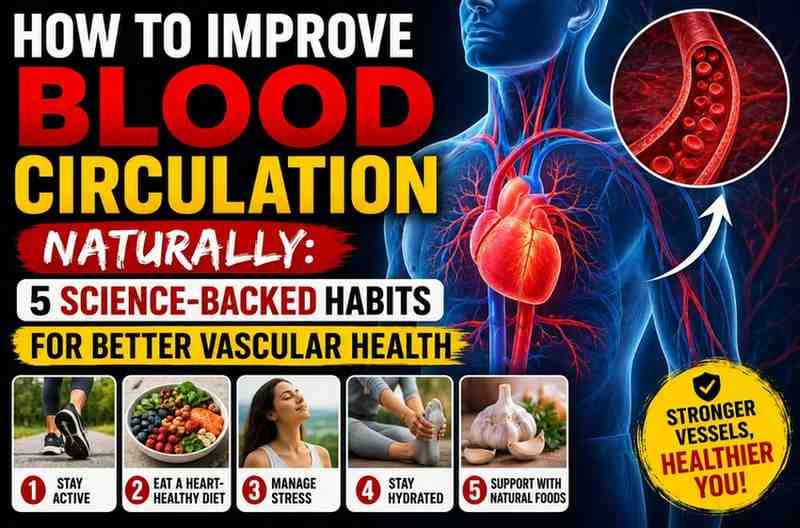
The spinach headline is not marketing spin. Leafy greens like spinach, rocket, and Swiss chard are among the richest dietary sources of inorganic nitrates, compounds that the body converts via oral bacteria and stomach acid into nitric oxide (NO). Nitric oxide is arguably the most important vasodilator the human body produces. It relaxes the smooth muscle lining of blood vessel walls, reducing vascular resistance and allowing blood to flow more freely through both large arteries and the fine capillary networks that reach deep tissue.
A single 200g serving of spinach can raise plasma nitrate levels significantly enough to produce measurable reductions in systolic blood pressure within hours. Over time, consistent dietary nitrate intake has been associated with improved endothelial function the Health of the inner lining of blood vessels which is now recognised as a key predictor of long-term cardiovascular risk. Beyond spinach, beetroot juice has become one of the most studied nitrate sources in sports medicine, with research showing improvements in exercise efficiency and oxygen delivery to working muscles.
Other dietary choices that support healthy circulation include omega-3 fatty acids from oily fish (which reduce blood viscosity and platelet aggregation), flavonoid-rich foods such as dark chocolate and berries (which independently stimulate nitric oxide production), and adequate magnesium from nuts and seeds, which supports arterial tone. The anti-circulation dietary villains are well established: excess sodium raises blood pressure by increasing fluid volume and arterial stiffness, while ultra-processed foods drive systemic inflammation that directly impairs endothelial function.
2. Move Consistently Not Just Intensely
Exercise is the most potent non-pharmacological stimulus for vascular adaptation. Aerobic activity brisk walking, cycling, swimming increases cardiac output, shears blood against arterial walls, and signals the endothelium to produce more nitric oxide as a direct mechanical response. Over weeks and months, this translates into measurably lower resting blood pressure, greater arterial compliance, and denser capillary networks in skeletal muscle.
The critical nuance that cardiologists increasingly emphasise is that exercise volume matters more than exercise intensity for baseline circulatory health. Thirty minutes of moderate-intensity movement five days a week outperforms two hard gym sessions followed by five sedentary days. The body reads prolonged sitting as a vascular stress: after just 90 minutes of uninterrupted sedentary time, blood flow in the legs measurably decreases and markers of endothelial stress rise. Breaking sitting time every 30 to 45 minutes with even a two-minute walk partially reverses these effects.
Resistance training adds a complementary benefit. By increasing skeletal muscle mass which acts as a peripheral “pump” assisting venous return strength work reduces the workload on the heart and improves circulation to the extremities. For individuals with desk-based jobs, targeted calf-raise exercises performed hourly are a surprisingly effective tool for combating venous pooling in the lower legs.
3. Hydrate Strategically Throughout the Day
Blood is approximately 55 percent plasma, which is itself roughly 92 percent water. When hydration status drops even by as little as 1 to 2 percent of body weight blood viscosity increases. Thicker blood flows less efficiently, places greater strain on the heart, and is more prone to forming microclots in smaller vessels. Chronic mild dehydration is one of the most underappreciated drivers of circulatory underperformance in otherwise healthy adults.
The relationship between hydration and circulation is particularly important during physical activity and in hot climates, when fluid loss through sweat accelerates. Morning hydration is especially valuable: after six to eight hours without fluids, plasma volume is at its daily nadir. Starting the day with 400 to 500ml of water before caffeine helps restore circulating volume and supports the natural morning rise in blood pressure that the body requires for alertness and physical function.
Caffeine, while a mild diuretic, does not meaningfully impair circulation in regular consumers who have developed tolerance and coffee’s polyphenol content may independently support endothelial health. The real hydration antagonists are excess alcohol, which causes vascular dilation followed by rebound vasoconstriction and dehydration, and high-sugar drinks, which drive the inflammation cascade that underlies vascular ageing.
4. Manage Stress with Targeted Daily Practices
The cardiovascular consequences of chronic psychological stress are no longer considered secondary or indirect. Sustained activation of the sympathetic nervous system the fight-or-flight pathway keeps circulating cortisol and adrenaline elevated, which constricts peripheral blood vessels, raises heart rate and blood pressure, promotes platelet stickiness, and drives the low-grade systemic inflammation that accelerates arterial plaque formation.
Structured stress management practices work through a clearly understood physiological mechanism: they activate the parasympathetic nervous system (the “rest and digest” counter-system), reducing sympathetic tone and allowing arterial walls to relax. Diaphragmatic breathing slow, deep breaths that fully expand the lower lungs is one of the fastest ways to shift this balance, producing measurable reductions in blood pressure within minutes. Research on practices including mindfulness meditation, yoga, and tai chi consistently shows improvements in heart rate variability, a reliable proxy for vascular autonomic health.
Sleep occupies a central place in this category. During deep sleep, blood pressure naturally drops by 10 to 20 percent in what is called the nocturnal dip a period of vascular recovery that is now recognised as essential for arterial repair. Individuals who are “non-dippers” (those who do not experience this nightly pressure reduction, often due to poor sleep quality or sleep apnoea) show significantly elevated rates of cardiovascular events. Protecting sleep duration and quality is, in measurable vascular terms, one of the highest-return health investments available.
5. Avoid Prolonged Cold Exposure and Warm Your Extremities Mindfully
Thermoregulation and circulation are inseparable systems. Cold causes peripheral vasoconstriction the body prioritises core organ perfusion by reducing blood flow to the hands, feet, and skin surface. In healthy individuals, this is a temporary adaptive response. In people with underlying vascular conditions, arterial stiffness, or Raynaud’s phenomenon, the vasoconstrictive response can be exaggerated and slow to reverse, leading to ischaemic episodes in the extremities.
The habit Dr. Sood advocates here is not avoidance of cold but mindful management of temperature transitions. Layering clothing to maintain peripheral warmth, avoiding smoking (nicotine is one of the most potent peripheral vasoconstrictors known), and practising contrast hydrotherapy — alternating warm and cool water exposure — can train vascular reactivity over time. Regular sauna use, supported by a growing body of Finnish cardiovascular research, has been associated with reduced arterial stiffness and lower rates of fatal cardiovascular events, likely through repeated cycles of heat-induced vasodilation and subsequent recovery.
| Habit | Primary Mechanism | Onset of Effect | Key Evidence |
|---|---|---|---|
| Eating nitrate-rich foods (spinach, beetroot) | Nitric oxide–mediated vasodilation | 2–3 hours (acute); weeks for endothelial adaptation | Reduced systolic BP by 4–8 mmHg in controlled trials |
| Consistent moderate aerobic exercise | Shear stress–induced NO production; cardiac remodelling | Weeks to months for structural changes | 5–10 mmHg BP reduction; improved arterial compliance |
| Strategic daily hydration | Reduction in blood viscosity; plasma volume support | Within hours of rehydration | Dehydration increases blood viscosity by up to 25% |
| Stress management and quality sleep | Parasympathetic activation; cortisol reduction; nocturnal BP dip | Acute (breathing); weeks for sustained autonomic shift | Poor sleep linked to 20% increased cardiovascular risk |
| Peripheral warmth and thermal training | Reduced vasoconstriction; vascular reactivity conditioning | Immediate protection; weeks for adaptive benefit | Regular sauna linked to 27% lower cardiovascular mortality |
The Compounding Logic of Vascular Health
What makes Dr. Sood’s framework compelling is not the novelty of any individual recommendation most of these habits are well-established in cardiovascular literature but the compounding logic of applying them simultaneously and consistently. Circulation does not respond to occasional interventions. It adapts to sustained patterns. A person who eats nitrate-rich vegetables daily, moves consistently, stays well hydrated, sleeps deeply, and manages thermal and psychological stress is not just protecting against heart disease in the abstract: they are actively maintaining the biological infrastructure through which every other aspect of health cognitive function, energy, immune resilience, metabolic efficiency operates.
The vascular system is also unusually responsive to positive change. Studies of previously sedentary adults who adopt aerobic exercise show measurable improvements in endothelial function within two to four weeks. Dietary nitrate produces acute haemodynamic effects within hours. This is a system that rewards effort quickly, making early investment in circulatory health one of the clearest expressions of long-term self-interest in preventive medicine.
When Habits Are Not Enough
Lifestyle habits are powerful, but they operate within biological limits. Individuals with hypertension, peripheral arterial disease, diabetes-related microvascular damage, or a family history of early cardiovascular disease should treat these habits as necessary complements to not replacements for medical management. Symptoms such as persistent cold extremities, leg pain during walking (claudication), unexplained swelling, or visible changes in vein appearance warrant clinical evaluation. The goal of daily circulatory habits is to maximise the health of a system that is functioning; identifying and treating pathology when it is present requires a different set of tools.
Start with spinach if you like the evidence is real and the barrier to entry is a grocery run. But the broader invitation is to see circulation not as a passive background process but as a dynamic, improvable system that responds directly to how you choose to live each day.
For breaking news and live news updates, like us on Facebook or follow us on Twitter and Instagram. Read more on Latest Lifestyle on thefoxdaily.com.






COMMENTS 0