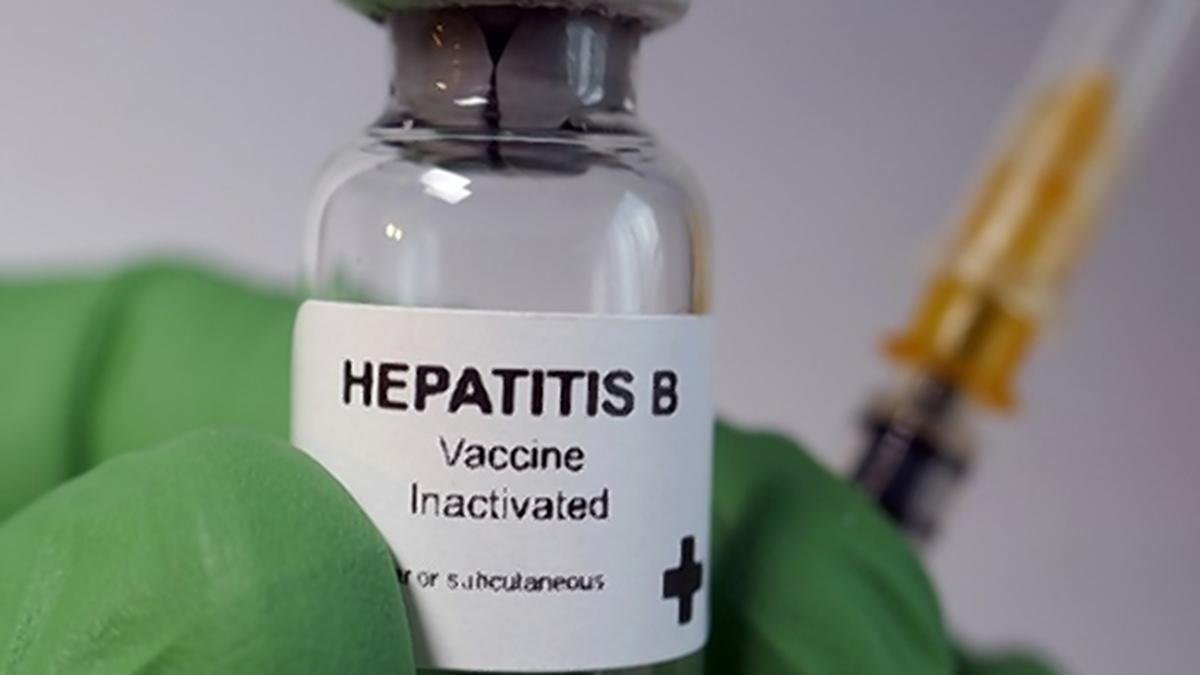
India’s childhood Vaccination programme may soon witness one of its most significant upgrades in decades with the possible introduction of the hexavalent vaccine under the Universal Immunisation Programme (UIP). According to a recent study conducted by the Union Health Ministry along with partner organisations, replacing multiple individual vaccines with a single combination shot could simplify immunisation schedules, reduce the number of injections infants receive, improve vaccination coverage, and make the country’s public health system more efficient.
For a country that vaccinates millions of newborns every year, even a small improvement in vaccine delivery can translate into better health outcomes, lower operational costs over time, and greater confidence among parents. The findings suggest that adopting the hexavalent vaccine could strengthen India’s already expansive immunisation programme while reducing the workload on frontline healthcare workers.
What Is a Hexavalent Vaccine?
A hexavalent vaccine is a combination vaccine that protects children against six serious infectious diseases with a single injection. Instead of administering multiple vaccines separately, healthcare providers can immunise infants against several life-threatening illnesses in one visit.
The vaccine generally provides protection against:
- Diphtheria
- Pertussis (Whooping Cough)
- Tetanus
- Hepatitis B
- Haemophilus influenzae type b (Hib)
- Polio (Inactivated Poliovirus)
By combining these antigens into one formulation, the vaccine simplifies childhood immunisation without compromising protection.
Why the Study Matters for India
India operates one of the world’s largest public immunisation programmes. Every year, millions of infants receive vaccines through government hospitals, primary health centres, community health facilities, and outreach programmes across urban and rural areas.
Managing such a vast programme requires enormous logistical planning, including vaccine procurement, cold-chain management, trained personnel, record keeping, and timely follow-up.
The study suggests that introducing the hexavalent vaccine could improve programme efficiency in several important ways by reducing complexity at every stage of vaccine delivery.
How the Hexavalent Vaccine Simplifies Immunisation
Currently, infants often receive multiple injections during the same vaccination visit. While these vaccines are essential, administering several injections can create challenges for healthcare workers and anxiety for parents.
| Current Approach | With Hexavalent Vaccine |
|---|---|
| Multiple injections during one visit | Fewer injections required |
| Separate vaccine preparation | Single combination vaccine |
| More syringes and consumables | Reduced medical supplies |
| Longer vaccination sessions | Faster immunisation process |
| Higher workload for staff | Greater operational efficiency |
Reducing the number of injections can also improve the vaccination experience for both children and caregivers.
Major Benefits Identified by the Study
1. Fewer Injections for Infants
One of the most immediate advantages is a reduction in the number of injections required during vaccination visits. Infants experience less discomfort, while parents may feel more comfortable adhering to the immunisation schedule.
2. Better Vaccination Coverage
Combination vaccines reduce the chances of children missing one or more recommended vaccines. Since protection against six diseases is delivered in one injection, completion of immunisation schedules may improve.
3. Reduced Burden on Healthcare Workers
Accredited Social Health Activists (ASHAs), Auxiliary Nurse Midwives (ANMs), nurses, and vaccination teams often manage large immunisation sessions with limited resources.
Using fewer vaccine vials and administering fewer injections allows health workers to vaccinate more children efficiently while reducing administrative workload.
4. Improved Programme Efficiency
The Universal Immunisation Programme involves vaccine storage, transportation, inventory management, documentation, and waste disposal. Combination vaccines simplify these processes and can improve operational efficiency across the healthcare system.
Understanding India’s Universal Immunisation Programme
The Universal Immunisation Programme is among the largest public health initiatives globally. It aims to protect children and pregnant women from vaccine-preventable diseases through free vaccination services.
The programme has played a crucial role in reducing child mortality, controlling infectious diseases, and improving life expectancy across India.
Introducing newer vaccines based on scientific evidence is part of the programme’s continuous evolution to meet changing healthcare needs.
Why Combination Vaccines Are Becoming More Common
Many countries increasingly rely on combination vaccines because they offer several practical advantages without reducing vaccine effectiveness.
- Fewer clinic visits
- Improved compliance
- Reduced injection-related anxiety
- Simplified vaccination schedules
- Lower administrative burden
- Improved logistics
For healthcare systems serving large populations, these efficiencies can significantly improve immunisation outcomes.
Impact on Parents and Caregivers
Parents often worry when their infants require multiple injections during a single healthcare visit. Although vaccines remain extremely safe and effective, fewer injections can reduce emotional stress and increase confidence in completing vaccination schedules.
Combination vaccines also reduce the likelihood of missed appointments because fewer procedures are needed during each visit.
Benefits for Rural and Remote Healthcare Delivery
India’s immunisation programme reaches children living in geographically challenging regions, including remote villages, tribal communities, mountainous areas, and underserved urban settlements.
Simplifying vaccine administration can make outreach sessions more efficient by reducing the number of vaccine vials transported, minimizing preparation time, and enabling healthcare workers to serve more families during each visit.
Cold Chain Management Could Become More Efficient
Vaccines require strict temperature control from manufacturing facilities to vaccination centres. This system, known as the cold chain, is one of the most resource-intensive aspects of immunisation programmes.
Although combination vaccines require careful storage like all vaccines, reducing the number of individual vaccine products may streamline inventory management and improve overall logistics.
Could It Reduce Vaccine Wastage?
Efficient vaccine management is essential for large-scale public health programmes. Using a single combination vaccine instead of multiple separate products may reduce wastage associated with handling, storage, transportation, and administration.
Improved inventory management can also make forecasting vaccine demand more accurate.
Safety of Hexavalent Vaccines
Combination vaccines undergo rigorous evaluation before approval. Their safety, effectiveness, and immune response are assessed through extensive clinical studies and regulatory review.
The combination of multiple vaccine components does not reduce the body’s ability to develop protective immunity. Instead, it allows protection against several diseases using a carefully designed formulation.
As with all vaccines, mild side effects such as pain at the injection site, low-grade fever, or temporary irritability may occur, but serious adverse events remain uncommon.
Economic Benefits Beyond Healthcare
Although combination vaccines may involve different procurement considerations, they can generate long-term economic benefits by improving programme efficiency.
Potential advantages include:
- Reduced use of syringes and consumables
- Lower medical waste disposal requirements
- Less time spent during vaccination sessions
- Improved workforce productivity
- Reduced transportation complexity
- Better inventory management
Preventing vaccine-preventable diseases also reduces future healthcare costs associated with hospitalisation and long-term complications.
Challenges Before Nationwide Introduction
Introducing any new vaccine into a national immunisation programme requires careful planning.
Health authorities would need to consider:
- Procurement strategy
- Budget allocation
- Healthcare worker training
- Updated immunisation guidelines
- Cold chain preparedness
- Monitoring systems
- Public awareness campaigns
Successful implementation depends on coordinated planning across national, state, and district health systems.
How This Could Support India’s Child Health Goals
Improving immunisation efficiency contributes directly to broader public health objectives, including reducing infant mortality, preventing outbreaks of vaccine-preventable diseases, and ensuring equitable healthcare access.
A simplified vaccination schedule may also help strengthen public trust in immunisation programmes while supporting India’s long-term child health and disease prevention strategies.
Frequently Asked Questions
What diseases does the hexavalent vaccine protect against?
It protects against diphtheria, tetanus, pertussis (whooping cough), hepatitis B, Haemophilus influenzae type b (Hib), and polio.
Will children receive fewer injections?
Yes. One of the major advantages of the hexavalent vaccine is reducing the number of separate injections required during immunisation visits.
Is the vaccine as effective as separate vaccines?
Yes. Combination vaccines are designed to provide strong protection against each targeted disease while simplifying vaccination schedules.
Will it replace India’s existing immunisation programme?
No. It would strengthen and simplify the existing Universal Immunisation Programme by replacing multiple individual vaccines with a combination vaccine where appropriate.
Key Takeaways
- The Union Health Ministry study suggests the hexavalent vaccine could significantly improve India’s Universal Immunisation Programme.
- The vaccine protects against six serious diseases with a single injection.
- Fewer injections may improve vaccination coverage and reduce anxiety among parents.
- Healthcare workers could benefit from simplified vaccine administration and reduced workload.
- Operational efficiencies may improve logistics, inventory management, and programme delivery.
- Careful planning will be essential before nationwide implementation.
Conclusion
The proposed introduction of the hexavalent vaccine represents more than simply reducing the number of injections—it reflects a broader effort to modernize India’s immunisation infrastructure. As one of the world’s largest vaccination programmes continues to evolve, innovations that improve efficiency without compromising safety have the potential to benefit millions of children every year.
If implemented strategically, the hexavalent vaccine could enhance vaccine coverage, simplify healthcare delivery, reduce operational challenges, and strengthen India’s commitment to protecting every child against preventable diseases. While further planning and implementation strategies will determine the pace of adoption, the study highlights a promising opportunity to make one of India’s most successful public health programmes even stronger.
For breaking news and live news updates, like us on Facebook or follow us on Twitter and Instagram. Read more on Latest Health on thefoxdaily.com.






COMMENTS 0