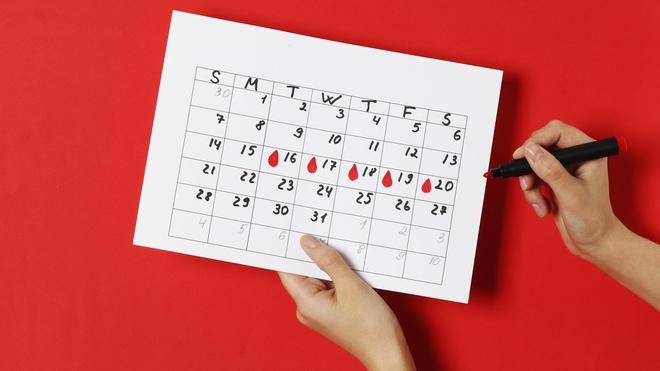
Can weather affect your periods? The short answer is yes, it can influence how you experience menstruation, but weather alone is not usually a reliable explanation for major or persistent changes in the menstrual cycle. Heat, humidity, cold temperatures, disrupted sleep, dehydration, changes in physical activity and the stress of travelling or adapting to a different routine can all make period symptoms feel worse. However, a menstrual cycle that suddenly becomes much heavier, significantly more painful, unusually irregular or consistently different deserves medical attention.
This distinction matters because menstrual health is influenced by a complex interaction between the brain, ovaries, uterus, hormones, metabolism, sleep and overall health. Weather is only one environmental factor among many. A hot summer day, for example, may leave someone exhausted and dehydrated, making cramps and fatigue harder to tolerate. That does not necessarily mean the temperature has directly altered the reproductive system.
For people who menstruate, the practical question is therefore not simply whether the weather affects periods, but how much of a change is normal, what symptoms can reasonably be linked to environmental conditions, and when a menstrual change could signal an underlying health problem.
Can weather really affect your menstrual cycle?
There is a difference between changing the experience of a period and changing the biological cycle itself. Weather can plausibly affect the former through dehydration, sleep disruption, heat stress, changes in exercise and daily routines. Strong evidence that ordinary changes in outdoor temperature directly cause major changes in menstrual timing is much weaker.
The menstrual cycle is regulated primarily by hormonal signalling between the hypothalamus, pituitary gland and ovaries. Factors such as stress, significant weight changes, intense exercise, illness, thyroid disorders, polycystic ovary syndrome, pregnancy, perimenopause and certain medications can influence this system.
That is why an unusual period during a heatwave does not automatically mean the heat caused it. The weather may have coincided with another change in the person’s sleep, diet, activity, stress level or general health.
Why hot weather can make periods feel worse
Summer can be particularly uncomfortable for people who already experience menstrual cramps, bloating, headaches or fatigue. High temperatures and humidity increase the body’s need to regulate its internal temperature. Sweating also increases fluid loss.
When someone becomes dehydrated, symptoms such as headache, tiredness, weakness and dizziness can become more noticeable. These symptoms can overlap with common period complaints, making menstruation feel significantly more difficult even if the underlying menstrual cycle has not changed dramatically.
Heat, dehydration and period discomfort
Fluid balance matters during menstruation, especially for people experiencing heavy bleeding. Drinking enough fluids does not stop menstrual bleeding, but maintaining hydration can help reduce the additional burden of heat-related fatigue and dehydration.
Heat can also interfere with sleep. Poor sleep can increase the perception of pain and leave someone less able to cope with cramps, mood changes and tiredness the following day.
The important insight is that summer may amplify period symptoms without necessarily changing the underlying menstrual process.
Can humidity make period symptoms worse?
Humidity does not directly control menstrual hormones, but it can make hot conditions feel considerably more uncomfortable. When humidity is high, sweat evaporates less efficiently, making it harder for the body to cool itself.
For someone already experiencing bloating, fatigue or headaches around menstruation, this additional physical discomfort can make the entire period feel more intense. People may also exercise less, sleep poorly or drink less water than they need because they feel unwell.
Humidity can therefore be viewed as an indirect contributor to menstrual discomfort rather than a proven direct cause of irregular periods.
What about cold weather and periods?
Cold weather is another area where personal experiences can be convincing but difficult to separate from other factors. Some people report feeling that cramps are worse during colder months, while others notice no difference.
Cold weather can change behaviour. People may spend less time outdoors, exercise less, sleep differently or experience changes in mood and daily routine. These factors can influence how pain and fatigue are experienced.
There is no simple rule that cold temperatures cause heavier or more painful periods. If someone notices a consistent seasonal pattern, keeping a menstrual diary can help determine whether the change is genuinely recurring or simply coincidental.
How stress, sleep and routine may be the hidden link
One of the most important factors often overlooked in the weather-and-period discussion is routine disruption.
A change in weather can trigger a chain reaction. Extreme heat may reduce sleep quality. Poor sleep can increase stress and fatigue. A stressful period may alter eating habits and physical activity. Travel during a hot or cold season can further disrupt sleep and daily routines. In some people, these changes can affect hormonal regulation and menstrual timing.
This is particularly relevant when a period becomes irregular around a major lifestyle change. The weather may be part of the story, but it may not be the main biological cause.
Heat versus cold: what is more likely to affect your period experience?
| Factor | What it may influence | What it does not automatically mean |
|---|---|---|
| Extreme heat | Dehydration, fatigue, sleep disruption and discomfort | That heat has directly caused an abnormal menstrual cycle |
| High humidity | Physical discomfort and difficulty cooling the body | That humidity directly changes reproductive hormones |
| Cold weather | Activity levels, comfort, sleep and pain perception | That cold temperatures necessarily cause heavier bleeding |
| Seasonal routine changes | Sleep, exercise, diet and stress | That seasonal change alone explains persistent irregular periods |
When should you stop blaming the weather?
This is the most important part of the conversation. A period that is slightly more uncomfortable during a heatwave is very different from months of irregular bleeding or progressively worsening menstrual pain.
If menstrual changes persist, recur frequently or interfere with normal life, they should be evaluated rather than dismissed as a reaction to temperature.
1. Your periods suddenly become very heavy
Heavy menstrual bleeding can have many causes, including fibroids, adenomyosis, endometriosis, hormonal disturbances, thyroid problems, bleeding disorders, certain medications and problems related to pregnancy.
Pay attention to how frequently you need to change menstrual products, whether bleeding regularly lasts longer than expected and whether blood loss is interfering with work, school, sleep or everyday activities.
2. Your period lasts unusually long
Menstrual bleeding that repeatedly continues for more than about a week should be discussed with a healthcare professional, particularly if it is heavier than usual.
Persistent heavy bleeding can contribute to iron deficiency and anaemia. Unexplained tiredness, weakness, shortness of breath with ordinary activity, dizziness or headaches can sometimes accompany anaemia and should not simply be attributed to a difficult period.
3. Your cycles become consistently irregular
Occasional variation can happen, but a continuing pattern of unusually short, unusually long or unpredictable cycles deserves attention.
For many adults, cycles commonly fall within roughly the 21-to-35-day range, although individual patterns vary and cycles can naturally be different during adolescence and the transition toward menopause.
A menstrual diary or tracking app can be extremely useful here. Record the first day of bleeding, approximate duration, flow, pain, spotting and major lifestyle changes. The goal is not to obsess over every day, but to identify a pattern that a clinician can interpret.
4. Period pain becomes severe or progressively worse
Mild to moderate cramps are common, but pain that is severe, worsening over time, prevents normal activities or does not respond adequately to usual measures should not be dismissed as simply a “bad period.”
Conditions such as endometriosis and adenomyosis can cause significant menstrual pain. Pelvic pain may also have other causes, so an appropriate medical assessment is important.
5. You have bleeding between periods or after sex
Unexpected bleeding outside the usual menstrual period can have several explanations. Hormonal contraception, infections, cervical conditions and other gynaecological problems can contribute.
Repeated or unexplained bleeding should be assessed rather than explained away by seasonal changes.
6. Pregnancy is possible and bleeding is unusual
If pregnancy is possible, unusual bleeding accompanied by significant pelvic or abdominal pain, fainting, severe dizziness or shoulder-tip pain requires urgent medical assessment because some pregnancy-related complications can be serious.
When is heavy menstrual bleeding an emergency?
Heavy bleeding combined with weakness, fainting, severe dizziness, shortness of breath, chest discomfort or signs of significant blood loss requires urgent medical attention.
Similarly, if bleeding is extremely heavy—for example, repeatedly soaking through a pad or tampon approximately every hour for several hours—it should not be treated as a normal weather-related period change.
The key principle is simple: the amount of bleeding and your physical condition matter more than the season.
Could your “weather-related” period actually have another cause?
Sometimes the calendar provides a misleading explanation. A person may notice that periods become irregular during summer every year, for example, but the real contributing factors could include changes in sleep, diet, exercise, work schedules, travel, stress or body weight.
Other potential causes include pregnancy, polycystic ovary syndrome, thyroid disorders, perimenopause, certain medications and structural conditions affecting the uterus.
This is why a useful medical history includes more than the date and temperature. Doctors may want to know about contraception, medications, pregnancy possibility, weight changes, exercise, stress, bleeding patterns and other symptoms.
A practical way to tell normal variation from a warning sign
| What you notice | Usually worth monitoring | Worth discussing with a clinician |
|---|---|---|
| Slightly worse cramps during hot weather | Yes, especially if it settles afterward | If pain is severe or progressively worsening |
| More fatigue during a heatwave | Hydration, sleep and heat exposure may help | If fatigue is persistent or associated with heavy bleeding |
| A cycle that is a few days different occasionally | Track the pattern | If irregularity becomes persistent |
| Unusually heavy bleeding | Record flow and duration | Especially if recurrent or associated with dizziness or weakness |
| Severe pelvic pain | Do not assume weather is responsible | Medical assessment is appropriate |
How to manage periods during extreme weather
There is no special “summer period” or “winter period” treatment. Instead, the goal is to reduce the environmental factors that can make normal menstrual symptoms harder to tolerate.
- Stay adequately hydrated: Drink fluids regularly, particularly during hot weather or when sweating heavily.
- Protect your sleep: A cool, comfortable sleeping environment can help when heat is disturbing rest.
- Keep activity flexible: Gentle movement may help some people with cramps, while extreme heat may require reducing exercise intensity.
- Eat regularly: Avoiding long gaps between meals may help manage fatigue and headaches.
- Track your cycle: Note bleeding, pain and other symptoms rather than relying on memory.
- Pay attention to hydration during heavy bleeding: Heat and menstrual blood loss can combine to make weakness and dizziness more noticeable.
- Use appropriate menstrual products: Change products as recommended and choose products that remain comfortable in hot conditions.
The bigger picture: your period can be a health signal
One of the most useful ways to think about menstruation is as a recurring indicator of overall health rather than an isolated monthly event.
A change in menstrual pattern can sometimes be the first noticeable sign that something else has changed. Persistent irregular periods may point toward hormonal or metabolic issues. Heavy bleeding may contribute to iron deficiency. New severe pain can warrant investigation for an underlying pelvic condition.
This does not mean every unusual period indicates disease. Menstrual cycles naturally vary, and occasional changes are common. The important distinction is persistence, severity and impact on daily life.
What is the most useful question to ask?
Instead of asking only, “Did the weather change my period?”, ask: “What else changed at the same time?”
That question can reveal useful clues. Did you sleep less? Travel? Exercise more or less? Experience unusual stress? Lose or gain significant weight? Start a medication? Change contraception? Become pregnant? Notice new pelvic pain?
This broader approach is more medically useful because it separates environmental discomfort from potentially important menstrual changes.
Conclusion: Weather may influence comfort, but it should not explain away persistent menstrual problems
So, can weather affect your periods? It can influence how your period feels, particularly through heat, dehydration, humidity, sleep disruption, activity changes and stress. But there is much less evidence that ordinary changes in temperature directly cause major or persistent menstrual abnormalities.
That distinction is important. A slightly more uncomfortable period during extreme weather may simply require better hydration, rest, sleep and symptom management. But repeated heavy bleeding, prolonged periods, persistent irregular cycles, bleeding between periods or severe and worsening pain deserve a proper medical evaluation.
The future of menstrual health is increasingly focused on recognising individual patterns rather than treating every cycle as identical. Tracking symptoms over several months can provide a clearer picture and give healthcare professionals better information when something changes.
In other words, check the weather—but check your menstrual pattern too. A hot day can make a period harder to handle, but it should never become an excuse for ignoring symptoms that are persistent, severe or genuinely different from your normal cycle.
SEO Information
Primary keyword: Can weather affect your periods
Related semantic keywords: weather and menstrual cycle, heat and periods, humidity and period symptoms, cold weather and menstruation, irregular periods, heavy menstrual bleeding, period pain, menstrual cycle changes, menstrual health
Search intent: Informational—understanding whether temperature and seasonal changes can affect menstruation and recognising when menstrual symptoms require medical attention.
Suggested SEO title: Can Weather Affect Your Periods? Heat, Cold, Humidity and Warning Signs
Suggested SEO URL: can-weather-affect-your-periods
For breaking news and live news updates, like us on Facebook or follow us on Twitter and Instagram. Read more on Latest Health on thefoxdaily.com.

COMMENTS 0