Daily Zinc supplementation significantly reduced infections in young children with sickle cell anaemia, according to findings from the ZIPS-2 randomised clinical trial conducted in Uganda. Children receiving 20 mg of zinc sulfate each day for six months experienced substantially fewer infections than children given placebo.
The findings suggest that zinc could become a potentially simple and affordable addition to infection-prevention strategies for young children with sickle cell anaemia, a population at increased risk of serious infectious complications. However, the researchers emphasised that larger and more diverse trials are needed before the findings can be applied broadly.
The trial enrolled 100 children aged 1–4 years with sickle cell anaemia at Jinja Regional Referral Hospital in Uganda. Participants were randomly assigned to receive either 20 mg of zinc sulfate daily or placebo for six months.
During follow-up, researchers recorded 80 infections in the zinc group compared with 124 in the placebo group. After adjustment for baseline age, sex and hydroxyurea use, the incidence rate ratio was 0.62, indicating an approximately 38% lower rate of infection among children receiving zinc.
Key findings from the ZIPS-2 trial
- 100 children aged 1–4 years participated.
- The study was conducted at Jinja Regional Referral Hospital in Uganda.
- Children received 20 mg of zinc sulfate daily or placebo.
- Follow-up lasted six months.
- The zinc group experienced 80 infections.
- The placebo group experienced 124 infections.
- Infection incidence was 305.7 per 100 person-years with zinc versus 480.7 per 100 person-years with placebo.
- The adjusted incidence rate ratio was 0.62.
- No adverse events requiring treatment discontinuation were reported.
- All participants completed follow-up.
Why infections are a major concern in sickle cell anaemia
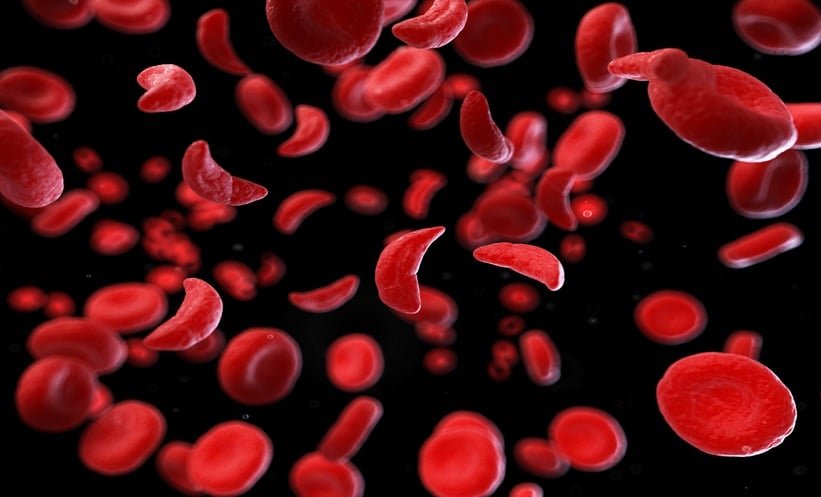
Sickle cell anaemia is an inherited blood disorder caused by abnormal haemoglobin. Red blood cells can become rigid and sickle-shaped, contributing to anaemia, painful episodes and damage to organs.
Children with sickle cell anaemia are also particularly vulnerable to serious infections. Changes in immune function, including impaired splenic function, can increase susceptibility to certain bacterial infections and other infectious illnesses.
Infection therefore remains an important part of the clinical burden associated with sickle cell disease, particularly in regions where access to rapid diagnosis and treatment can be challenging.
The possibility of reducing infection frequency with a relatively straightforward nutritional intervention is consequently of considerable interest.
How the zinc trial was designed
The ZIPS-2 study was a randomised, double-blind, placebo-controlled clinical trial. This design helps minimise bias by randomly assigning participants to treatment groups while keeping participants and investigators unaware of group assignments during the trial.
Researchers enrolled children aged 1–4 years with sickle cell anaemia at Jinja Regional Referral Hospital.
Half of the participants received 20 mg of zinc sulfate daily, while the remaining children received placebo. Both groups were followed for six months, and investigators recorded all-cause infections.
The primary outcome was the incidence of all infections during the follow-up period.
Zinc was tested alongside hydroxyurea
The trial evaluated zinc as an additional intervention rather than as a substitute for established sickle cell treatment.
At enrolment, 45% of participants were receiving hydroxyurea. All children initiated or continued hydroxyurea following enrolment.
Hydroxyurea is a disease-modifying treatment used in sickle cell disease. Because its use could influence clinical outcomes, the researchers adjusted their analysis for baseline hydroxyurea use as well as age and sex.
The adjusted analysis continued to show a lower infection rate among children assigned to zinc.
How large was the reduction in infections?
The difference between the groups was substantial.
Children receiving zinc experienced 80 infection events, compared with 124 among those receiving placebo.
The infection rate was 305.7 per 100 person-years in the zinc group and 480.7 per 100 person-years in the placebo group.
The adjusted incidence rate ratio of 0.62 means that the infection rate in the zinc group was approximately 62% of that observed in the placebo group.
Expressed differently, zinc supplementation was associated with an approximately 38% reduction in infection incidence during the study.
This is a relative reduction in infection events. It should not be interpreted as meaning that zinc prevented infection in 38% of all participants.
Why zinc could influence infection risk
Zinc is an essential micronutrient involved in numerous biological processes, including normal immune function.
Previous research has reported zinc deficiency among people with sickle cell disease, providing a biological rationale for investigating supplementation as a possible infection-prevention strategy.
The ZIPS-2 trial, however, was primarily designed to evaluate the clinical effect of supplementation. It cannot establish the precise biological mechanism responsible for the observed reduction in infections.
Future studies will need to investigate whether the benefit is strongest among children who are zinc deficient or whether supplementation can reduce infections regardless of baseline zinc status.
Safety findings were encouraging
The trial also produced reassuring safety findings.
No adverse events requiring discontinuation of zinc or placebo were reported. In addition, all 100 children completed the six-month follow-up period.
Complete follow-up is an important strength because there were no participants lost during the study who could have introduced uncertainty into the outcome analysis.
Nevertheless, the relatively small sample size means the study cannot reliably identify rare adverse effects. Longer and larger trials will be necessary to establish the safety of sustained zinc supplementation in this population.
Why zinc should not replace standard sickle cell care
The study does not suggest that zinc should replace established approaches to infection prevention or sickle cell disease management.
Children with sickle cell anaemia require comprehensive care that can include vaccination, appropriate antibiotic prophylaxis, hydroxyurea and prompt medical assessment when infection is suspected.
Zinc, if its benefits are confirmed, would be better viewed as a potential additional preventive strategy.
This distinction is important because infection in a child with sickle cell anaemia can become serious quickly. Nutritional supplementation cannot substitute for rapid clinical assessment and evidence-based treatment when a child develops symptoms of infection.
Why the Ugandan setting matters
The trial was conducted in Uganda, a setting where sickle cell disease represents an important health burden.
In many parts of sub-Saharan Africa, reducing preventable infections can have substantial implications because healthcare resources and access to specialist services may vary between communities.
If larger studies confirm the effect, a daily oral supplement could potentially be easier to implement than more complex interventions.
But implementation should follow evidence. The fact that zinc is relatively simple to administer does not by itself establish that every child with sickle cell anaemia should receive supplementation.
Who might benefit most?
One of the major unanswered questions is whether zinc works equally well across all children with sickle cell anaemia.
If future research demonstrates that the largest benefit occurs in children with zinc deficiency, clinicians may eventually be able to identify patients who are most likely to benefit.
Alternatively, if supplementation produces a similar effect regardless of baseline nutritional status, routine supplementation could potentially be easier to deliver.
The current trial is not large enough to answer this question.
What larger clinical trials need to examine
The next stage of research should involve larger, multisite randomised trials involving children from different geographic and healthcare settings.
Future studies should determine whether the reduction in all-cause infections translates into fewer serious infections, hospital admissions and other clinically important outcomes.
Researchers should also assess whether the apparent benefit continues beyond six months and whether similar effects occur in older children and adolescents.
Another priority will be establishing the most appropriate dose and duration of supplementation while monitoring nutritional status and potential adverse effects.
Potential implications for childhood sickle cell care
The findings could have important implications if they are replicated.
Infection prevention is already a central goal of childhood sickle cell care. Adding an effective nutritional intervention could provide another way to reduce the number of infectious episodes experienced by vulnerable children.
Such an approach could be particularly valuable in resource-limited settings if it proves safe, affordable and straightforward to distribute.
However, the greatest potential value may come from integrating zinc into a broader package of care rather than treating it as a standalone solution.
What clinicians should take away
The ZIPS-2 trial provides a strong reason to continue investigating zinc supplementation in young children with sickle cell anaemia.
The approximately 38% lower infection rate observed with zinc is clinically interesting, especially given the high infection burden associated with sickle cell disease in young children.
At the same time, clinicians should recognise the limits of the evidence. The trial involved only 100 children at one Ugandan centre and included only children aged 1–4 years.
These results therefore support further research rather than immediate universal adoption of zinc supplementation.
Conclusion
Daily zinc supplementation was associated with significantly fewer infections in young children with sickle cell anaemia in the ZIPS-2 randomised clinical trial. Children receiving 20 mg of zinc sulfate daily experienced 80 infections compared with 124 among children receiving placebo, producing an adjusted incidence rate ratio of 0.62.
The results suggest an approximately 38% lower rate of infection with zinc during six months of follow-up. No adverse events requiring treatment discontinuation were reported, and every participant completed the study.
However, the evidence remains preliminary because of the small, single-centre design and the narrow age range of participants. Larger studies across multiple locations will be needed to determine whether the benefit can be reproduced and whether it extends to older children and other populations.
For now, the study offers an encouraging new direction: zinc may eventually become a simple addition to comprehensive infection-prevention strategies for children with sickle cell anaemia, particularly in regions where the burden of infectious disease is high.
Reference: Namazzi R et al. Daily Zinc Supplementation for Infection Prevention in Children With Sickle Cell Anemia: The ZIPS-2 Randomized Clinical Trial. JAMA. 2026. doi:10.1001/jama.2026.14190.
For breaking news and live news updates, like us on Facebook or follow us on Twitter and Instagram. Read more on Latest Health on thefoxdaily.com.

COMMENTS 0