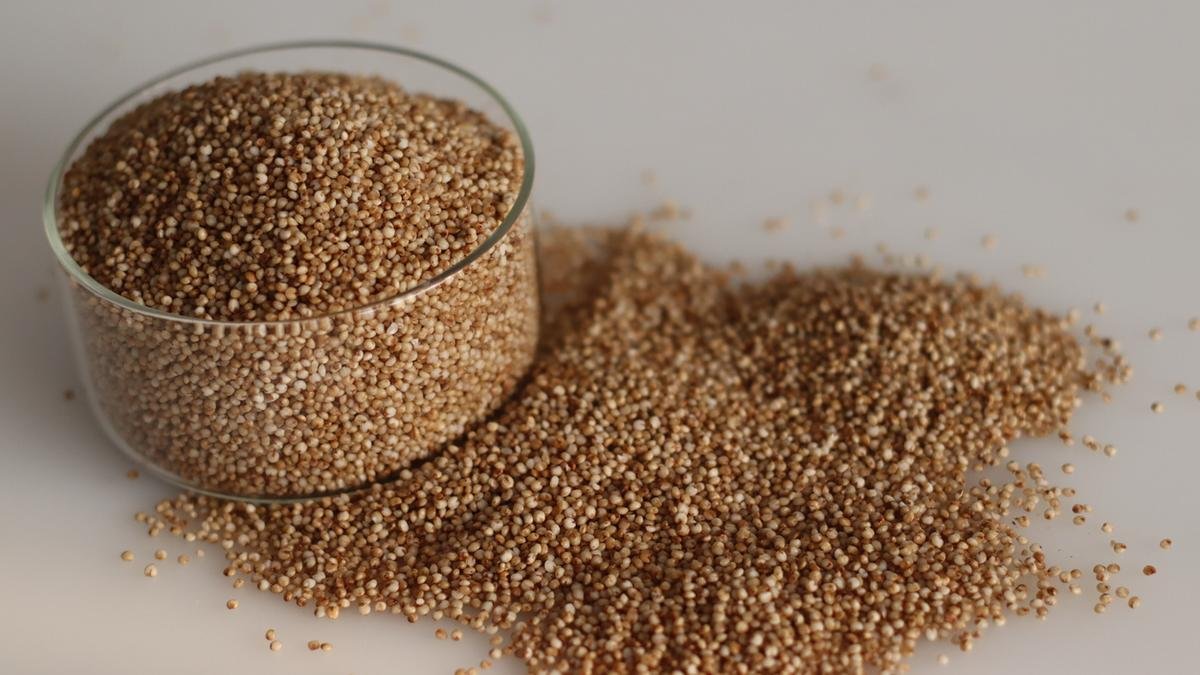
India’s efforts to fight hidden hunger may have received an important scientific endorsement. A recent study involving researchers from India and the United States has shown that iron- and zinc-biofortified pearl millet can be safely consumed by toddlers without disrupting the healthy balance of bacteria in their digestive system.
The research is particularly significant because young children are among the groups most vulnerable to deficiencies of iron and zinc—two essential minerals that support brain development, immunity, growth and overall health. At the same time, scientists have increasingly recognized that maintaining a healthy gut microbiome during early childhood is equally important for lifelong wellbeing.
The study suggests these two priorities do not have to compete. Instead, nutrient-enriched pearl millet may offer a practical solution capable of improving Nutrition without compromising gut health.
Beyond its scientific importance, the findings could reinforce India’s broader push toward millet-based nutrition through national initiatives promoting climate-resilient crops and healthier diets.
Why Iron and Zinc Deficiency Remain Major Public Health Challenges
Micronutrient deficiencies are often called “hidden hunger” because they may exist even when children consume enough calories.
Iron deficiency remains one of the leading causes of nutritional anaemia worldwide, while inadequate zinc intake can weaken immunity, slow physical growth and increase susceptibility to infections.
Toddlers are especially vulnerable because their bodies grow rapidly, increasing their nutritional requirements during the first few years of life.
Insufficient intake of these nutrients may contribute to:
- Poor cognitive development.
- Reduced attention and learning ability.
- Lower resistance to infections.
- Delayed physical growth.
- Increased fatigue and weakness.
- Long-term developmental consequences.
Addressing these deficiencies remains a major priority for nutrition programmes across India.
What Is Biofortified Pearl Millet?
Biofortification is a scientific process that increases the natural concentration of essential nutrients within food crops through conventional plant breeding or other approved agricultural techniques.
Unlike processed foods that have nutrients added during manufacturing, biofortified crops are grown with naturally higher levels of vitamins or minerals.
In this case, researchers evaluated pearl millet that contains elevated amounts of iron and zinc.
Pearl millet has long been cultivated across India because it is drought-resistant, nutritious and well suited to semi-arid climates. Enhancing its nutrient profile makes it even more valuable as a staple food for vulnerable populations.
Inside the Study
The research was conducted through collaboration between scientists in India and the United States and focused on toddlers living in Mumbai’s urban slums, where nutritional challenges remain significant.
Children consumed the biofortified pearl millet over a period of approximately nine months.
The primary objective was not only to examine nutritional benefits but also to determine whether increasing dietary iron and zinc would alter the gut microbiome in potentially harmful ways.
The findings indicated that consuming the nutrient-enriched millet did not adversely affect gut health, providing reassurance about its safety for young children.
| Study Overview | Details |
|---|---|
| Food evaluated | Iron- and zinc-biofortified pearl millet |
| Participants | Toddlers |
| Study location | Mumbai urban communities |
| Duration | Nine months |
| Main finding | No harmful impact on gut microbiome |
| Significance | Supports safe use in child nutrition programmes |
Why Gut Health Matters During Early Childhood
The human gut contains trillions of microorganisms that together form the gut microbiome. These bacteria help digest food, produce certain vitamins, regulate immunity and protect against harmful microbes.
During infancy and early childhood, the microbiome develops rapidly and influences numerous aspects of health.
An unhealthy imbalance in gut bacteria has been associated with digestive disorders, allergies, metabolic diseases and immune dysfunction later in life.
Because of this, nutrition researchers carefully examine whether new dietary interventions alter the microbiome in undesirable ways.
The current findings suggest that iron- and zinc-biofortified pearl millet does not disturb this delicate microbial balance.
Why Researchers Were Concerned About Iron
Iron supplementation has sometimes raised concerns because excess unabsorbed iron reaching the intestine may influence certain bacteria.
Scientists have previously investigated whether some iron interventions could alter microbial communities within the digestive tract.
This made it particularly important to determine whether naturally iron-rich biofortified foods behave differently.
The latest findings provide encouraging evidence that delivering iron through biofortified pearl millet does not appear to negatively affect toddlers’ gut microbiota under the conditions studied.
The Nutritional Strength of Pearl Millet
Pearl millet is already considered one of India’s most nutritious cereal grains.
In addition to iron and zinc, it naturally contains:
- Dietary fibre.
- Plant protein.
- Magnesium.
- Phosphorus.
- B-complex vitamins.
- Beneficial antioxidants.
Its relatively low water requirement also makes it an environmentally sustainable crop in regions affected by climate variability.
How This Supports India’s Millet Mission
India has invested heavily in promoting millets as part of a broader strategy to improve nutrition, strengthen food security and encourage climate-resilient agriculture.
The country’s Millet Mission and subsequent national initiatives have sought to increase millet cultivation, consumer awareness and inclusion in public nutrition programmes.
Scientific evidence supporting the safety and nutritional value of biofortified millet strengthens these efforts.
If adopted more widely, nutrient-rich millet varieties could contribute to reducing micronutrient deficiencies while supporting sustainable farming systems.
Potential Benefits for Public Health Programmes
The findings may have important implications for several nutrition initiatives targeting mothers and young children.
Biofortified pearl millet could eventually complement broader dietary strategies aimed at improving nutrient intake in communities where iron and zinc deficiencies remain common.
Potential areas of future application include:
- Community nutrition programmes.
- Maternal and child health initiatives.
- Early childhood feeding strategies.
- School nutrition programmes.
- Food security interventions.
Any large-scale implementation would require continued evaluation, policy planning and integration with existing nutritional guidelines.
Biofortification vs Food Fortification: Understanding the Difference
Although the terms are sometimes used interchangeably, biofortification and food fortification are different approaches.
| Biofortification | Food Fortification |
|---|---|
| Nutrients increased while the crop is grown | Nutrients added during food processing |
| Benefits begin at harvest | Benefits added after manufacturing |
| Suitable for rural farming systems | Requires industrial processing |
| Can reach farming households directly | Depends on access to fortified packaged foods |
Both approaches play important roles in improving nutrition and are often used together rather than as competing strategies.
What the Study Does Not Mean
While the results are encouraging, they should be interpreted carefully.
- The study does not suggest that biofortified millet alone can eliminate childhood malnutrition.
- Children still require balanced diets containing proteins, fruits, vegetables, healthy fats and other essential nutrients.
- The findings specifically relate to the biofortified pearl millet evaluated under research conditions.
- Further studies in different populations may provide additional evidence.
Nutrition remains a combination of diverse foods rather than reliance on any single crop.
Expert Insight: Why This Research Is Important
The significance of this research extends beyond one cereal grain.
It demonstrates how agriculture, nutrition and medical science can work together to solve complex public health challenges.
Instead of relying exclusively on supplements or pharmaceutical interventions, scientists are exploring ways to make everyday foods naturally more nutritious.
Such approaches have the potential to improve health in a sustainable, culturally acceptable and economically practical manner, particularly in regions where staple foods form the foundation of daily diets.
What Future Research Could Explore
Although the study provides reassuring evidence regarding gut health, several important questions remain.
- How effectively does biofortified pearl millet improve long-term iron and zinc status?
- Can it reduce rates of childhood anaemia on a larger population scale?
- How does it perform in different geographical and dietary settings?
- What are its long-term effects on growth, immunity and cognitive development?
- Can similar biofortification strategies be applied to other staple crops?
Future investigations will help determine how these findings can best inform national nutrition policies.
Conclusion
The latest study on iron- and zinc-biofortified pearl millet provides encouraging evidence that improving the nutritional quality of staple foods does not have to come at the expense of gut health. By demonstrating that enriched pearl millet can be safely consumed by toddlers without disrupting their gut microbiome, researchers have strengthened confidence in one of India’s most promising nutrition strategies.
For a country continuing to address hidden hunger while promoting sustainable agriculture, the findings carry significance well beyond laboratory research. Biofortified millet represents a practical example of how scientific innovation can enhance everyday diets using familiar foods rather than entirely new interventions.
Although additional research will continue to refine understanding of its long-term health benefits, the study marks an important milestone in integrating agriculture, nutrition and public health. As India expands millet cultivation and encourages healthier food choices, biofortified pearl millet could play an increasingly valuable role in improving child nutrition while supporting a more resilient and nutritious food system.
For breaking news and live news updates, like us on Facebook or follow us on Twitter and Instagram. Read more on Latest Health on thefoxdaily.com.





COMMENTS 0