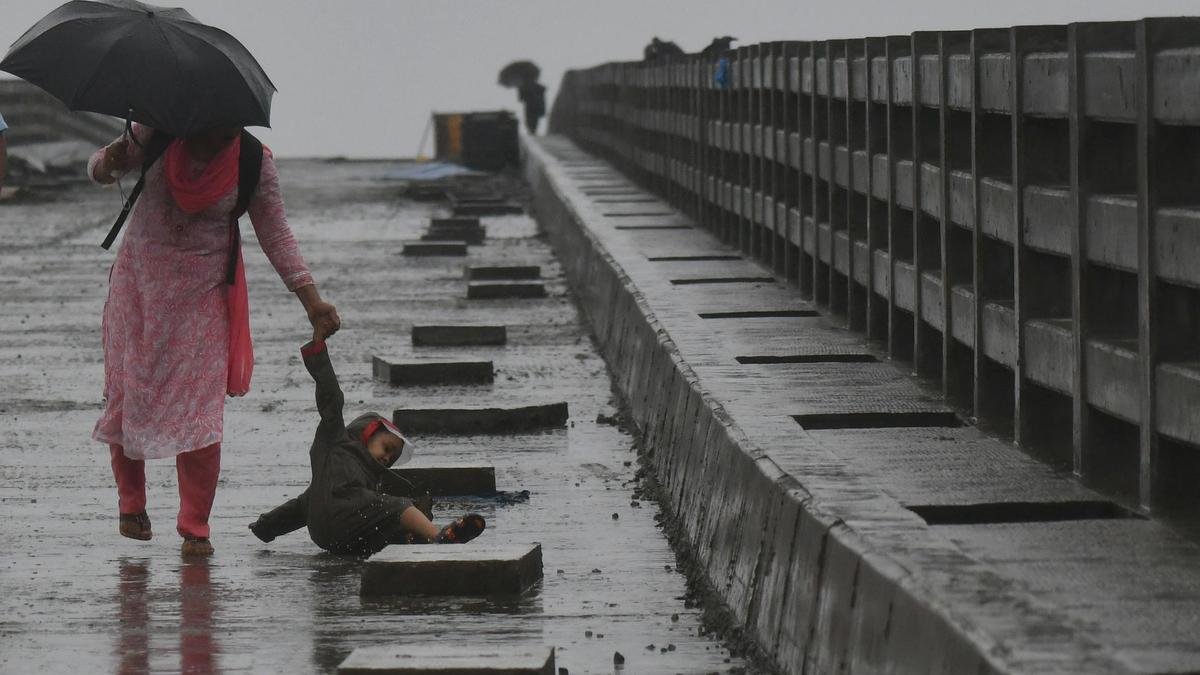
Most young children stumble, trip and fall as they learn to walk, run and explore the world around them. These occasional mishaps are a normal part of development. However, when frequent falls, persistent clumsiness or delays in achieving motor milestones continue beyond the expected age, they may indicate underlying neurological, neuromuscular or developmental conditions that require medical evaluation.
Understanding the difference between normal childhood awkwardness and signs of a possible health concern is essential for parents, caregivers and educators. Early recognition allows children to receive timely diagnosis, therapy and interventions that can significantly improve their long-term development and quality of life.
Why Young Children Naturally Fall
During infancy and toddlerhood, the brain, muscles and nervous system are still developing. Learning to sit, crawl, stand, walk and run requires coordination between multiple body systems.
Frequent falls during the first few years of life are generally expected because children are:
- Developing balance and coordination.
- Building muscle strength.
- Learning spatial awareness.
- Improving reaction time.
- Exploring new movements such as climbing, jumping and running.
As children grow, their coordination typically improves, and falls become less frequent.
When Clumsiness May Be a Warning Sign
Persistent clumsiness that continues beyond the usual developmental stage should not be ignored, especially if it interferes with daily activities or is accompanied by delayed motor milestones.
Children who consistently struggle with balance, walking, running or climbing compared with their peers may benefit from a comprehensive medical assessment.
Parents should pay attention if a child:
- Falls significantly more often than other children of the same age.
- Appears unusually unstable while walking.
- Frequently bumps into furniture or objects.
- Has difficulty climbing stairs.
- Cannot keep up with peers during physical play.
- Shows increasing rather than improving clumsiness.
Understanding Gross Motor Skills
Gross motor skills involve the large muscles of the body that enable movement, posture and balance. These skills form the foundation for everyday physical activities.
Examples include:
- Sitting independently.
- Crawling.
- Standing without support.
- Walking.
- Running.
- Jumping.
- Climbing stairs.
- Balancing on one foot.
Delays in these milestones may indicate that further evaluation is needed.
Common Causes of Frequent Falls in Children
Not every child with poor coordination has a serious medical condition. Some children simply develop motor skills more slowly than others. However, persistent symptoms can sometimes be linked to underlying health issues.
1. Developmental Coordination Disorder (DCD)
DCD affects a child’s ability to plan and perform coordinated movements. Children may appear unusually clumsy despite having normal intelligence.
2. Neuromuscular Disorders
Conditions affecting muscles or nerves can cause weakness, fatigue and difficulty maintaining balance. Early diagnosis is essential for appropriate treatment and supportive care.
3. Neurological Disorders
Problems involving the brain or spinal cord may affect movement, coordination and muscle control.
4. Vision Problems
Poor vision can interfere with depth perception and balance, increasing the likelihood of falls.
5. Inner Ear Disorders
The inner ear plays an important role in maintaining balance. Disorders affecting this system can result in dizziness and unsteady walking.
6. Nutritional Deficiencies
Certain vitamin and mineral deficiencies may contribute to muscle weakness or delayed physical development.
Developmental Milestones Parents Should Monitor
| Age | Expected Gross Motor Skills | When to Seek Advice |
| 6 Months | Rolls over and begins sitting with support | Unable to roll or poor head control |
| 9 Months | Sits independently and begins crawling | Cannot sit without support |
| 12 Months | Pulls to stand and may take first steps | Cannot stand with assistance |
| 18 Months | Walks independently | Not walking or falling excessively |
| 2 Years | Runs, climbs and kicks a ball | Difficulty running or climbing stairs |
| 3–5 Years | Jumps, balances and participates in active play | Persistent clumsiness or inability to keep up with peers |
Red Flags That Require Medical Evaluation
Parents should consult a healthcare professional if frequent falls are accompanied by:
- Loss of previously acquired motor skills.
- Muscle weakness.
- Difficulty rising from the floor.
- Persistent toe walking.
- Asymmetrical movement.
- Tremors or unusual muscle stiffness.
- Speech or developmental delays.
- Seizures.
- Persistent fatigue during physical activity.
These signs may indicate an underlying neurological or neuromuscular condition that requires further investigation.
How Doctors Evaluate Frequent Falls
A comprehensive assessment typically includes:
- Detailed medical and developmental history.
- Physical examination.
- Neurological assessment.
- Evaluation of muscle strength and reflexes.
- Assessment of balance and coordination.
- Vision and hearing examinations when appropriate.
- Additional laboratory or imaging tests if indicated.
The goal is to determine whether the child’s symptoms reflect normal developmental variation or an underlying medical condition.
The Importance of Early Diagnosis
Many neurological and developmental conditions respond better when identified early. Prompt intervention allows children to receive therapies during critical periods of brain and motor development.
Early diagnosis can:
- Improve physical function.
- Enhance independence.
- Reduce future complications.
- Support school readiness.
- Improve confidence and participation in daily activities.
Treatment and Support Options
Treatment depends on the underlying cause. A multidisciplinary approach often provides the best outcomes.
Management may include:
- Physical therapy.
- Occupational therapy.
- Speech and language therapy if needed.
- Nutritional support.
- Medical treatment for underlying neurological or muscular disorders.
- Individualized educational support.
Family education also plays a key role in helping children develop confidence while improving their motor abilities.
Helping Children Build Strong Motor Skills at Home
Parents can encourage healthy physical development by providing safe opportunities for active play.
- Encourage outdoor activities.
- Practice balance games.
- Promote climbing on age-appropriate playground equipment.
- Limit excessive screen time.
- Provide nutritious meals that support healthy growth.
- Create an environment where children feel confident trying new movements.
Positive reinforcement helps children develop both physical skills and self-confidence.
When Parents Should Trust Their Instincts
Parents are often the first to notice subtle developmental differences. If a child consistently seems weaker, more fatigued or less coordinated than peers, it is appropriate to discuss these concerns with a pediatrician—even if others suggest the child will simply “grow out of it.”
Seeking medical advice does not necessarily mean something serious is wrong, but it can provide reassurance or identify conditions that benefit from early intervention.
Conclusion
Frequent falls and clumsiness are often a normal part of childhood, but persistent balance problems, delayed gross motor milestones or worsening coordination should never be overlooked. While many children simply develop at their own pace, ongoing motor difficulties may signal neurological, neuromuscular or developmental conditions that require professional evaluation.
Recognizing the warning signs early allows families to access timely medical care, therapy and support, giving children the best opportunity to achieve their full physical and developmental potential. When it comes to a child’s health, early attention can make a lasting difference.
For breaking news and live news updates, like us on Facebook or follow us on Twitter and Instagram. Read more on Latest Health on thefoxdaily.com.





COMMENTS 0