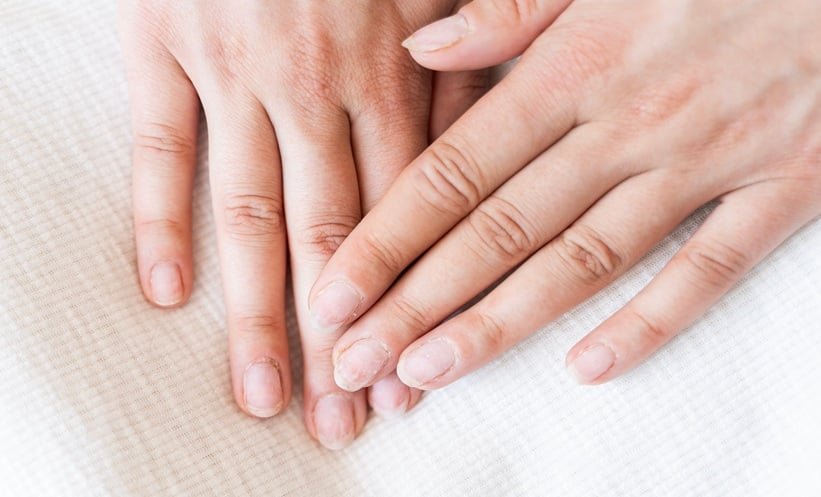
Nail problems were reported more frequently among people taking glucagon-like peptide-1 (GLP-1) receptor agonists than among comparable people with type 2 diabetes and/or obesity who had never used the medicines, according to a multinational study presented at the EADV Congress 2026. The controlled study found that 66% of GLP-1 users reported at least one nail disorder, compared with 53% of controls, while nail detachment was reported more than four times as often among users.
The findings are notable because GLP-1 receptor agonists are increasingly used in the management of type 2 diabetes and obesity, yet their potential effects on nail health have received considerably less attention than their metabolic effects.
Importantly, the study identifies an association rather than establishing that GLP-1 medicines directly cause nail disorders. Further prospective research is planned to investigate possible causes, contributing factors and whether nail changes are reversible.
What Did the EADV 2026 Study Find?
The multinational study compared 575 people who were using GLP-1 receptor agonists with 1,329 comparable individuals with type 2 diabetes and/or obesity who had never taken these medicines.
Participants were recruited across France, the United States, Brazil and Mexico, giving the research an international perspective.
Overall, 66% of GLP-1 users reported at least one nail disorder, compared with 53% of participants in the control group.
The difference was particularly pronounced for nail detachment. Nail detachment was reported by 39% of GLP-1 users compared with 9% of controls, representing more than a four-fold difference.
Nail discolouration was also reported more frequently among GLP-1 users, affecting 46% compared with 17% of controls.
These findings prompted researchers to call for further investigation into the potential relationship between GLP-1 treatment and nail health.
Why Are These Findings Important?
GLP-1 receptor agonists have become increasingly important in modern metabolic medicine. They are used in the treatment of type 2 diabetes and, depending on the specific medicine and regulatory indication, obesity.
Most public discussion around these medicines focuses on blood glucose control, weight reduction and other metabolic outcomes. Nail health is rarely part of the conversation.
The new findings therefore raise an additional question for researchers and clinicians: could some nail changes be associated with treatment, the underlying metabolic condition, changes in nutrition or other factors occurring alongside therapy?
The answer cannot be determined from this study alone.
Nail Detachment Was the Most Striking Difference
Among the findings, nail detachment showed one of the largest differences between the two groups.
Almost four in 10 GLP-1 users reported nail detachment, compared with fewer than one in 10 controls. In relative terms, the frequency was more than four times higher among the GLP-1 group.
Nail detachment can refer to separation of the nail plate from the underlying nail bed. There can be several potential causes of nail separation, including trauma, infections, inflammatory skin disorders and other medical or nutritional factors.
Consequently, a nail that begins lifting or separating should not automatically be attributed to a GLP-1 medicine.
Nail Discolouration Was Also More Common
The study also found a substantial difference in reported nail discolouration.
Discolouration was reported by 46% of GLP-1 users compared with 17% of controls.
Nail colour changes can have many explanations. Fungal infections, trauma, pigmentation changes and other dermatological conditions can affect nail appearance. Certain systemic health problems can also produce changes in nails.
This broad range of possible causes is one reason the study’s findings require further investigation before a direct medication-related mechanism can be established.
Does This Mean GLP-1 Medicines Cause Nail Problems?
Not necessarily.
The study found that nail disorders were more common among GLP-1 users, but an observational comparison cannot by itself establish causation.
The two groups may differ in ways that influence nail health independently of medication use. The underlying conditions for which GLP-1 medicines are prescribed, changes in body weight, dietary intake, nutritional status and other medications or health factors could potentially contribute.
This is why the planned prospective research is important. Following participants over time can help researchers determine whether nail changes develop after treatment begins, whether their severity changes during treatment and whether they improve after treatment changes or ends.
Could Weight Loss or Nutritional Changes Play a Role?
One possible area for investigation is the relationship between treatment-associated changes in body weight, nutrition and nail growth.
Nails are continuously growing structures and require adequate nutrients to maintain normal development. Significant nutritional deficiencies can affect hair, skin and nails.
However, the current findings do not establish that nutritional changes are responsible for the nail disorders observed in GLP-1 users.
This distinction is important. It would be premature to conclude that the nail findings are caused by weight loss, reduced food intake or any particular nutrient deficiency without evidence directly examining those factors.
Why Prospective Research Matters
The researchers’ plan for prospective investigation could provide important information that a cross-sectional or retrospective assessment cannot fully establish.
Prospective studies can track nail health before and after treatment and examine how changes evolve over time. Researchers can also investigate potential contributing factors and determine whether nail disorders improve when treatment changes.
Reversibility is particularly relevant for patients. If a treatment-associated nail change is confirmed, knowing whether it resolves over time would help doctors and patients make better-informed decisions about management.
What Should People Taking GLP-1 Medicines Do?
People using GLP-1 receptor agonists should not stop prescribed treatment solely because of the study findings.
These medicines may provide important benefits for people with appropriate medical indications, and treatment decisions should consider the individual’s overall health rather than one potential side effect or association.
However, people who notice persistent nail detachment, significant discolouration, changes in nail texture or other unusual nail symptoms can mention them to their healthcare professional.
A clinician may consider the appearance of the nails alongside medication history, medical conditions, possible infections, nutritional factors and other potential causes.
Why Nail Changes Deserve Medical Attention
Nails can sometimes provide clues about local dermatological problems or broader health issues, although nail changes are rarely diagnostic on their own.
A sudden or persistent change should therefore not automatically be dismissed as cosmetic.
For example, nail separation can have infectious, inflammatory, traumatic or other causes. Correctly identifying the cause is important because treatment depends on the underlying condition.
Self-treating a nail disorder without knowing its cause can also delay appropriate diagnosis.
The Broader Question Around GLP-1 Medicines
The growing use of GLP-1 receptor agonists means that researchers are increasingly examining effects beyond their primary metabolic indications.
As more people use these medicines for longer periods and across different populations, researchers may identify previously under-recognised effects or associations.
That does not mean every newly reported symptom is necessarily caused by the medication. Instead, large and carefully designed studies can help separate genuine treatment-related effects from conditions that happen to occur in the same population.
The EADV 2026 findings provide a starting point for that investigation in the area of nail health.
What Researchers Need to Establish Next
Several questions remain unanswered.
- Do nail disorders begin after GLP-1 treatment starts?
- Does the risk change with treatment duration or dose?
- Are certain patients more susceptible than others?
- Could weight loss or dietary changes contribute?
- Are particular types of nail disorders more strongly associated with treatment?
- Do the nail changes improve after treatment is modified or stopped?
- Could other medications or underlying health conditions explain some of the association?
Prospective studies could help address these questions and determine whether the association represents a genuine medication-related effect.
GLP-1 Treatment Decisions Should Remain Individualised
For patients and clinicians, the findings reinforce the importance of monitoring overall wellbeing during treatment.
Medication decisions should balance expected benefits with potential risks and side effects. If a patient develops a new symptom, the appropriate response is to assess it rather than automatically assuming the medicine is responsible.
This is particularly important with widely used medicines, because people taking them may also have multiple underlying conditions and use other medications that can influence their health.
Conclusion: A New Research Question for GLP-1 Therapy
The EADV 2026 study adds an unexpected dimension to the growing research around GLP-1 receptor agonists. Nail disorders were reported more frequently among GLP-1 users than among comparable controls, with particularly large differences observed for nail detachment and discolouration.
The numbers are notable: 66% of GLP-1 users reported at least one nail disorder compared with 53% of controls, while nail detachment was reported by 39% of users versus 9% of controls.
But these findings should be interpreted cautiously. They demonstrate an association, not proof that GLP-1 medicines directly cause nail disorders. The underlying reasons remain uncertain, and prospective research is needed to investigate causes and reversibility.
For people currently taking GLP-1 medicines, the findings are not a reason to discontinue treatment without medical advice. Instead, they highlight the value of reporting persistent or unusual nail changes to a healthcare professional while researchers continue to investigate the potential relationship.
SEO Details
Primary Keyword: GLP-1 nail disorders
Meta Title: GLP-1 Nail Disorders More Common in EADV 2026 Study
Meta Description: A multinational EADV 2026 study found nail disorders were more common among GLP-1 users, including higher rates of nail detachment and discolouration.
Related Keywords: GLP-1 receptor agonists, GLP-1 side effects, nail detachment, nail discolouration, GLP-1 and nails, diabetes medications, obesity treatment, EADV Congress 2026, nail health, GLP-1 research
Search Intent: Informational — readers seeking to understand the reported association between GLP-1 receptor agonists and nail disorders and what the EADV 2026 findings mean.
Medical Disclaimer: This article is for general health information and does not replace professional medical advice, diagnosis or treatment. People taking GLP-1 receptor agonists should not stop or change prescribed treatment based on this study. Persistent or unusual nail changes should be evaluated by a qualified healthcare professional.
For breaking news and live news updates, like us on Facebook or follow us on Twitter and Instagram. Read more on Latest Health on thefoxdaily.com.

COMMENTS 0