Every Monsoon, flooded streets become an unavoidable reality for millions of people across India. Whether commuting to work, attending school, or returning home, many have little choice but to walk or ride through stagnant water. While most people worry about traffic disruptions or waterborne illnesses, floodwater can also carry a lesser-known but potentially life-threatening bacterial infection called leptospirosis.
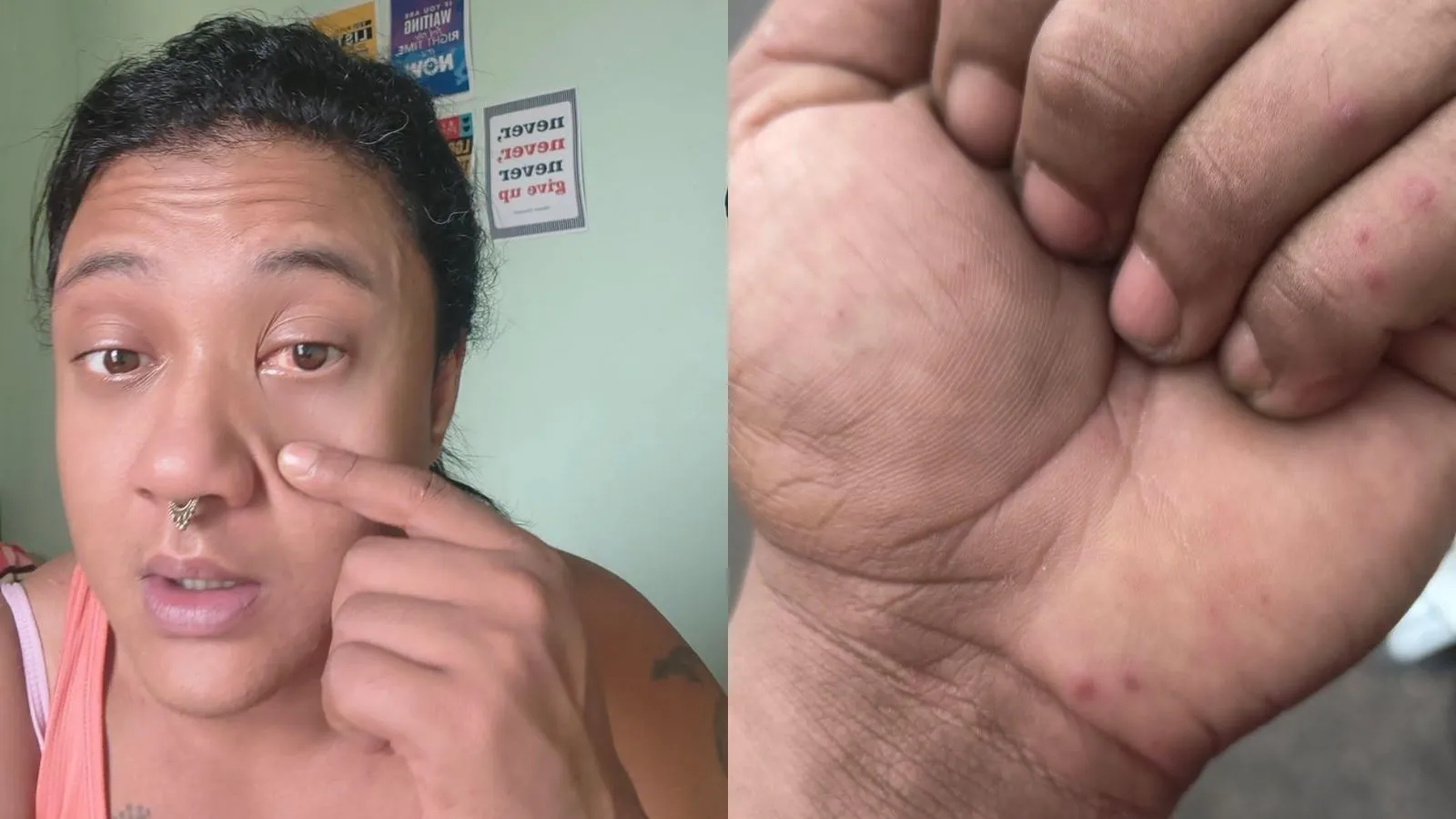
The disease has once again come into focus after a Mumbai resident developed painful red bumps on her palms, fingers, and feet along with fever after repeatedly travelling through floodwater. What initially seemed like a routine viral illness was later diagnosed as leptospirosis, reminding health experts that monsoon-related infections often present with symptoms that closely resemble common viral fevers.
Doctors expect more cases as floodwaters begin to recede across Mumbai and neighbouring districts, a period when exposure to contaminated water remains high. Public health specialists emphasize that prompt diagnosis and early antibiotic treatment can prevent severe complications involving the kidneys, liver, lungs, and brain.
Quick Facts About Leptospirosis
| Topic | Key Information |
|---|---|
| Cause | Leptospira bacteria |
| Main Source | Water or soil contaminated with infected animal urine |
| Common During | Monsoon and flooding |
| How It Enters the Body | Through cuts, abrasions, or the eyes, nose, and mouth |
| Early Symptoms | Fever, muscle pain, headache, rash, red eyes |
| Can It Be Treated? | Yes, early diagnosis and antibiotics are highly effective |
What Is Leptospirosis?
Leptospirosis is a bacterial infection caused by spiral-shaped bacteria belonging to the genus Leptospira.
The bacteria naturally infect a wide range of animals, including rodents, dogs, cattle, pigs, and other mammals. Infected animals may shed the bacteria in their urine without appearing ill themselves.
When urine contaminates puddles, floodwater, mud, or moist soil, the bacteria can survive for days or even weeks under favourable environmental conditions.
Humans become infected after coming into contact with this contaminated environment.
Why Floodwater Increases the Risk
Flooding creates ideal conditions for leptospirosis transmission.
Heavy rainfall washes animal waste into streets, drains, fields, and residential areas. At the same time, overflowing drainage systems mix contaminated water with floodwater that people must often walk through.
The bacteria enter the body through:
- Small cuts or abrasions on the skin.
- Softened skin after prolonged exposure to water.
- The eyes.
- The nose.
- The mouth.
Even tiny skin injuries that go unnoticed can provide an entry point for infection.
Why the Mumbai Case Is a Reminder for Everyone
The recent diagnosis illustrates how easily leptospirosis can be mistaken for more common illnesses.
After commuting through flooded roads, the woman initially believed she had an ordinary viral fever.
Only after developing painful red bumps affecting her palms, fingers, and feet did she seek medical evaluation, leading to the diagnosis.
This pattern is common because early leptospirosis often resembles influenza, dengue, or other viral infections that circulate during the rainy season.
Common Symptoms of Leptospirosis
Symptoms usually appear between two and thirty days after exposure, most commonly within one to two weeks.
Early symptoms may include:
- Sudden fever.
- Severe headache.
- Muscle pain, especially in the calves and lower back.
- Chills.
- Fatigue.
- Nausea or vomiting.
- Painful red rashes or skin lesions.
- Red eyes.
Because these symptoms overlap with many tropical infections, laboratory testing often becomes necessary for confirmation.
When Leptospirosis Becomes Severe
Many patients recover completely with timely treatment.
However, untreated infection can progress to a second, more dangerous phase affecting multiple organs.
Potential complications include:
- Kidney failure.
- Liver injury and jaundice.
- Bleeding disorders.
- Meningitis.
- Respiratory failure.
- Heart inflammation.
The most severe form, sometimes referred to as Weil’s disease, requires urgent hospital treatment and can become life-threatening.
Who Is Most at Risk?
Anyone exposed to contaminated floodwater can become infected, but some occupations and activities increase risk considerably.
| Higher-Risk Group | Reason for Increased Exposure |
|---|---|
| Municipal workers | Frequent contact with floodwater and drains |
| Farmers | Exposure to wet soil and livestock |
| Construction workers | Outdoor work during monsoon |
| Rescue personnel | Flood response activities |
| Daily commuters | Walking through flooded roads |
| People living in flood-prone areas | Repeated environmental exposure |
How Doctors Diagnose Leptospirosis
Diagnosis begins with a detailed history of recent floodwater exposure or contact with potentially contaminated environments.
Doctors may recommend:
- Blood tests.
- Antibody testing.
- PCR (polymerase chain reaction) testing.
- Liver and kidney function tests.
- Complete blood counts.
Because early treatment significantly improves outcomes, physicians may begin antibiotics before laboratory confirmation if clinical suspicion is high.
Can Leptospirosis Be Treated?
Yes.
Leptospirosis responds well to antibiotics, especially when treatment begins during the early phase of illness.
Mild infections are often managed with oral antibiotics and supportive care, while severe disease may require:
- Hospital admission.
- Intravenous antibiotics.
- Fluid management.
- Kidney support.
- Respiratory care if complications develop.
Delaying treatment increases the likelihood of serious organ involvement.
Leptospirosis vs Viral Fever: Why They Are Easily Confused
| Feature | Leptospirosis | Typical Viral Fever |
|---|---|---|
| Cause | Bacterial infection | Virus |
| Common Trigger | Floodwater exposure | Person-to-person transmission |
| Muscle pain | Often severe | Usually mild to moderate |
| Painful skin lesions | May occur | Less common |
| Treatment | Antibiotics | Supportive care |
How to Reduce the Risk During Monsoon
While avoiding floodwater completely is not always possible, several precautions can significantly lower the risk of infection.
- Avoid walking through stagnant water whenever possible.
- Wear waterproof boots if exposure cannot be avoided.
- Cover cuts, abrasions, and wounds with waterproof dressings.
- Wash thoroughly with clean water and soap after contact with floodwater.
- Avoid touching your face with contaminated hands.
- Seek medical advice if fever develops after flood exposure.
Good sanitation, rodent control, and effective drainage systems also play an important role in preventing outbreaks.
Why Cases Often Increase After Floodwaters Recede
Many people assume the danger disappears once heavy rainfall ends.
In reality, infections often become more noticeable after floodwaters begin receding.
This happens because:
- People continue cleaning flooded homes.
- Contaminated mud remains in the environment.
- Standing water persists in many locations.
- Symptoms appear several days after exposure.
Healthcare facilities therefore frequently observe a rise in leptospirosis cases one to three weeks after major flooding events.
Why Early Diagnosis Saves Lives
The biggest challenge with leptospirosis is not the lack of treatment but delayed recognition.
Because symptoms resemble many common infections, patients may postpone seeking medical care or self-treat with over-the-counter medicines.
Prompt medical evaluation allows doctors to identify high-risk patients, begin antibiotics early, and monitor for complications before serious organ damage develops.
What This Means for Public Health
Leptospirosis remains a recurring seasonal challenge in many parts of India, particularly during and after the monsoon. As climate change contributes to more frequent extreme rainfall and urban flooding, public health experts anticipate greater emphasis on flood preparedness, sanitation, rodent control, and disease surveillance.
Community awareness is equally important because recognizing symptoms early can dramatically reduce hospitalizations and prevent avoidable deaths.
Future Outlook
Improved urban drainage, better waste management, stronger rodent control programmes, and early disease surveillance could substantially reduce the burden of leptospirosis in flood-prone regions. Advances in rapid diagnostic testing may also help doctors distinguish leptospirosis from dengue, malaria, and viral fevers more quickly during monsoon outbreaks.
Until then, personal protective measures and prompt medical consultation remain the most effective strategies for preventing severe illness.
Conclusion
The recent Mumbai case serves as a timely reminder that floodwater carries risks beyond visible hazards. Leptospirosis is a potentially serious but treatable bacterial infection that can develop after exposure to contaminated water, particularly during the monsoon season.
Recognizing early warning signs such as fever, severe muscle pain, painful skin lesions, or red eyes following floodwater exposure can lead to faster diagnosis and treatment. With early antibiotics, most patients recover well, making awareness, prevention, and timely medical care the strongest defenses against this often-overlooked seasonal disease.
For breaking news and live news updates, like us on Facebook or follow us on Twitter and Instagram. Read more on Latest Health on thefoxdaily.com.

COMMENTS 0