India Condemns Houthi Strikes in Saudi Arabia, Moves to Help Stranded Pilgrims
‘Unacceptable’: India Slams Houthi Strikes in Saudi Arabia, Moves to Help Stranded Pilgrims
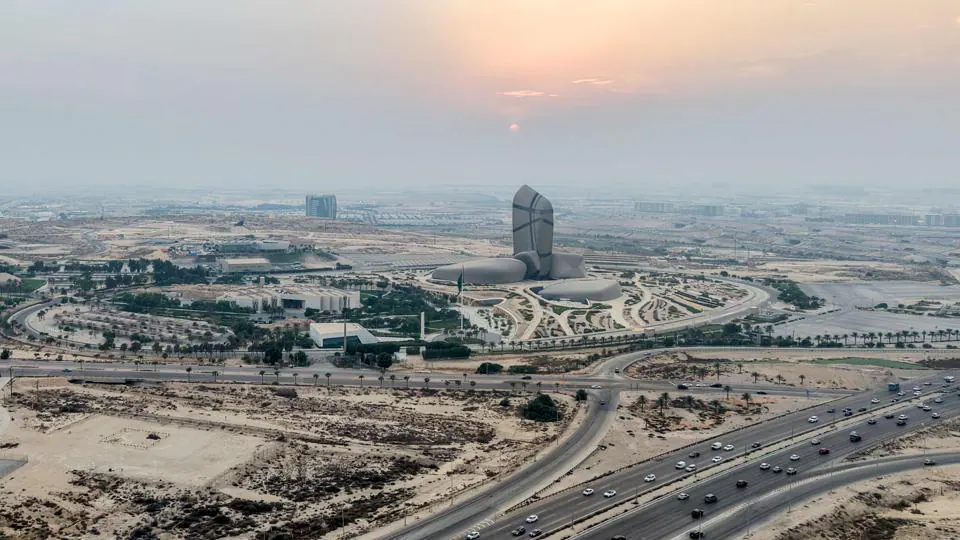
India has strongly condemned attacks on civilian and energy infrastructure in Saudi Arabia after a strike on King Fahd International Airport in Dammam killed an Indian national and injured several others. The Ministry of External Affairs (MEA) expressed solidarity with Saudi Arabia on Thursday, October 22, 2026, and called for an immediate halt to attacks amid escalating hostilities across West Asia.
Alongside its diplomatic response, India is coordinating with airlines, tour operators and Saudi authorities to help Indian Umrah pilgrims stranded in the kingdom following flight suspensions by Indian carriers. The government said approximately 3,000 stranded pilgrims had returned to India on available flights over the preceding week, while arrangements were being discussed to facilitate the return of those still awaiting travel.
The latest developments have intensified concerns about the safety of Indian nationals across the region. The attacks on Saudi infrastructure come amid a wider conflict involving Iran, Israel, the United States and regional armed groups, raising fresh questions about civilian security, international travel and the potential for further escalation.
India Condemns Attacks on Dammam Airport and Saudi Aramco Oilfield
India’s Ministry of External Affairs condemned the October 21 attacks on King Fahd International Airport in Dammam and the Shaybah oilfield operated by Saudi Aramco in Saudi Arabia’s Eastern Province.
In its statement, the ministry described attacks on civilian and critical infrastructure as “completely unacceptable” and demanded that they stop immediately.
“We stand in solidarity with the people and the Government of the Kingdom of Saudi Arabia in safeguarding its sovereignty, and hope that peace and normalcy would return to the region at the earliest,” the ministry said.
The statement reflected India’s concern about the direct impact of the conflict on civilian lives and essential infrastructure. Airports serve as critical transport hubs for residents, international travellers and migrant workers, while oil facilities are central to energy production and regional economic activity.
Attacks on such facilities can have consequences beyond the immediate damage, potentially disrupting transport, threatening workers and increasing uncertainty for international businesses and travellers.
India also conveyed condolences to the family of the Indian national killed in Dammam and wished a speedy recovery to those injured. The Indian Embassy in Riyadh is in contact with Saudi authorities and is providing assistance to affected Indian nationals.
Indian National Killed, Several Others Injured in Airport Attack
The attack on King Fahd International Airport on Wednesday evening killed two people, including an Indian national, according to the supplied report. Two Indians were among eight people injured in the incident.
In a separate incident on the same day, another Indian national was injured by debris from a drone intercepted over Saudi Aramco’s Shaybah oilfield. The incident highlights the risks posed not only by direct strikes but also by interceptions of aerial threats near populated areas and critical industrial facilities.
The Indian government has been monitoring the situation through its diplomatic missions and coordinating with Saudi authorities to assist affected citizens.
The identities of the Indian national killed and those injured were not provided in the supplied information. Further details about the circumstances of the airport attack, the extent of damage and the precise nature of the weapons involved were also not specified.
The latest casualties follow an earlier attack on King Khalid International Airport in Riyadh on October 10, when one Indian national was killed and 10 others were injured, according to the report.
Repeated incidents affecting major airports have increased concerns about the safety of Indian citizens travelling through or working in Saudi Arabia. They have also reinforced the importance of timely communication between Indian diplomatic missions, local authorities, airlines and affected families.
India Calls for an Immediate End to Attacks on Civilian Infrastructure
India’s response has focused on the protection of civilians, respect for Saudi Arabia’s sovereignty and the restoration of stability across West Asia.
The MEA said attacks on civilian and energy infrastructure must cease immediately. It also reiterated India’s support for a return to dialogue and diplomacy, while urging all stakeholders to avoid actions that put civilian lives and essential services at risk.
India has significant economic and human ties with the Gulf region. Millions of Indian citizens live and work across West Asia, including in construction, healthcare, transport, energy and other industries. Many depend on airports and commercial transport networks to travel between their workplaces and India.
Any prolonged disruption to regional security can therefore affect Indian citizens directly, whether through physical danger, interrupted flights, employment uncertainty or difficulties returning home.
India’s diplomatic position also reflects the broader challenge facing countries that have large populations living and working in conflict-affected areas. They must protect their citizens while encouraging de-escalation and maintaining communication with governments and other relevant parties.
Who Is Being Blamed for the Attacks on Saudi Arabia?
The supplied report links the latest attacks to the escalating conflict involving Iran-backed Houthi rebels and Yemen’s Saudi-backed government. The Houthis are an armed political movement based in Yemen that has been involved in a prolonged conflict with forces supported by Saudi Arabia.
Saudi Arabia has previously been targeted during regional confrontations involving missiles and drones. Attacks affecting airports, oil facilities and other strategic infrastructure have repeatedly raised concerns about the wider consequences of the Yemen conflict and its connections to regional rivalries.
The latest incidents have occurred amid broader hostilities involving Iran, Israel and the United States. However, the supplied information does not provide independently verified evidence identifying the perpetrators of each October 21 incident or detailing the weapons used.
Attributing responsibility for individual attacks requires reliable evidence, particularly in a rapidly changing conflict where multiple armed actors and competing claims may be involved. India’s statement condemned the attacks on Saudi infrastructure and expressed support for the kingdom, while the broader context remains one of escalating regional instability.
India Works to Bring Stranded Umrah Pilgrims Home
Alongside its condemnation of the attacks, India is working to facilitate the return of pilgrims stranded in Saudi Arabia after Indian carriers suspended flights following the recent escalation of hostilities.
Ministry of External Affairs spokesperson Randhir Jaiswal said the Indian Embassy in Riyadh and the Consulate in Jeddah were engaging with the airlines and tour operators concerned to arrange the early return of affected pilgrims.
“Arrangements are being discussed to facilitate the return of other Umrah pilgrims at the earliest,” Jaiswal said in a social media post.
He added that approximately 3,000 stranded Indian pilgrims had returned from Saudi Arabia on available flights over the previous week. In addition, more than 10,000 pilgrims who were not stranded had returned to India during the same period.
The figures indicate that many travellers have already completed their journeys, but some remain dependent on further travel arrangements as flight availability changes.
The Indian missions in Riyadh and Jeddah are also providing welfare assistance with support from community volunteers. This includes engagement with relevant authorities and travel operators to help affected pilgrims navigate the disruption.
Owaisi Raises Concern Over 4,000 Stranded Pilgrims
The issue of stranded pilgrims came into sharper public focus after AIMIM leader Asaduddin Owaisi claimed that approximately 4,000 Indian pilgrims were stranded in Makkah and Madina.
Owaisi attributed the situation to flight cancellations by Indian carriers, including Air India, IndiGo and Akasa Air, following the escalation of hostilities in the region.
Jaiswal subsequently provided an update on the number of pilgrims who had returned and the government’s efforts to assist those still awaiting travel arrangements. The government said approximately 3,000 stranded pilgrims had returned on available flights over the preceding week.
The two figures refer to different aspects of the situation: Owaisi’s claim concerned the number of pilgrims he said were stranded, while the government’s statement reported the number who had returned and confirmed that further arrangements were being discussed.
The supplied information does not provide a final, independently verified count of all pilgrims still stranded after the latest returns. The number could change as additional flights become available and travel arrangements are completed.
Why Are Indian Pilgrims Facing Travel Disruptions?
Umrah is an Islamic pilgrimage to Makkah that can be undertaken at different times of the year, unlike the Hajj, which takes place during a specific period in the Islamic calendar.
Indian pilgrims commonly travel to Saudi Arabia through commercial airlines and organised tour operators. When flights are cancelled or suspended because of security concerns, travellers can find themselves unable to return according to their original schedules.
Regional conflict can disrupt aviation through several channels. Airlines may suspend routes, change flight paths, cancel departures or adjust schedules because of security assessments and operational restrictions. Even when an airport remains open, uncertainty elsewhere in the region can affect airline decisions.
For pilgrims travelling through organised packages, the process of arranging alternative flights may involve coordination among airlines, tour operators, accommodation providers and government authorities.
The situation can be particularly difficult for older travellers, people with medical needs, families travelling with children and those with limited access to funds or local assistance. Community volunteers and diplomatic missions can play an important role in providing information and welfare support while travellers wait for confirmed departures.
The Indian government has not announced a single confirmed date by which all affected pilgrims will return. Travellers should therefore rely on official updates from their airlines, tour operators and Indian diplomatic missions rather than assume that a specific departure schedule is guaranteed.
Indian Missions in Riyadh and Jeddah Coordinate Assistance
India’s Embassy in Riyadh and Consulate in Jeddah are engaging with airlines and tour operators to help affected pilgrims return home. They are also working with Saudi authorities and local community volunteers to provide welfare assistance.
Diplomatic missions typically serve as a point of coordination during emergencies affecting citizens abroad. Depending on the circumstances, they can communicate with local authorities, provide verified information, help citizens identify relevant support services and raise concerns about the welfare of affected travellers.
However, the ability to arrange travel depends on factors such as airline operations, available seats, security conditions and permissions required for particular routes. Diplomatic engagement cannot guarantee that flights will operate immediately.
For pilgrims awaiting departure, maintaining contact with the tour operator and airline is important because alternative arrangements may depend on the original booking, available replacement services and the traveller’s location.
India’s statement did not specify a final timetable for the return of all remaining pilgrims. Officials said arrangements were being discussed to facilitate their return as early as possible.
West Asia Conflict Has Killed 19 Indians, Including 11 Seafarers
The latest incidents in Saudi Arabia add to the growing toll on Indian nationals caught up in the wider West Asia Conflict. According to the supplied report, 19 Indians, including 11 seafarers, have been killed since the conflict was triggered by attacks by Israel and the United States on Iran in February 2026.
Dozens of other Indians have been injured across the region. The casualties have raised concerns about the safety of citizens working in countries affected by the hostilities, particularly those employed in maritime transport, energy production and other sectors that operate around strategically important facilities.
Seafarers can face particular risks when commercial shipping routes pass through areas affected by military operations, attacks or threats to navigation. Workers at airports, oilfields and infrastructure facilities may also face danger when these sites are targeted or when debris from intercepted weapons falls nearby.
India has repeatedly called for a return to dialogue and diplomacy while urging all parties to stop attacks on civilian and energy infrastructure.
The government’s response reflects the scale of India’s exposure to regional instability. More than 10 million Indians live across West Asia, according to the report, with a substantial proportion employed in blue-collar occupations, including work in construction, oilfields and infrastructure facilities.
For many Indian households, employment in the Gulf is an important source of income. Prolonged instability could affect workers’ safety, travel arrangements and livelihoods, making the protection of Indian nationals a central concern for New Delhi.
US Orders Diplomats and Families to Leave Saudi Arabia
Security concerns increased further after the United States State Department directed diplomats and their family members to leave US missions in Saudi Arabia on Wednesday, according to the supplied report.
The move triggered concerns about the possibility of further US military action against Iran. There were also reports that the United States was withdrawing family members of diplomats from several other missions in the region.
Such departures can be precautionary measures intended to reduce exposure to potential security threats. They do not, by themselves, establish that a military strike is imminent or that a specific operation has been authorised.
Nevertheless, the decision underscores the level of concern surrounding the regional security environment. Diplomatic missions and governments may adjust staffing and family arrangements when they believe that risks to personnel have increased.
For India, developments involving the United States and Iran are significant because any further escalation could affect the safety of Indian citizens, regional aviation, commercial shipping and energy infrastructure.
The supplied report does not confirm whether the United States has made a final decision on further military action. The implications of the diplomatic departures therefore remain uncertain.
Why Saudi Arabia’s Airports and Oil Facilities Matter
Saudi Arabia occupies a strategically important position in global energy markets and regional air transport. Its airports connect international passengers, migrant workers, business travellers and religious pilgrims, while its oil infrastructure supports a major part of the global energy supply chain.
King Fahd International Airport serves Dammam and the wider Eastern Province. The Shaybah oilfield is a significant Saudi energy facility. Incidents affecting these locations can create concerns about civilian safety and the continuity of essential operations.
Attacks on energy facilities can also influence market expectations if they raise fears about supply disruptions. However, the supplied report does not provide evidence of a specific production shutdown or quantify any impact on oil prices resulting from the latest incident.
Likewise, an attack at an airport does not automatically mean that all flights at the facility have been suspended. The operational impact depends on the nature of the incident, the damage sustained and decisions made by local authorities and airlines.
The broader concern is that repeated attacks on civilian and critical infrastructure can increase uncertainty for travellers, workers and businesses even when the immediate damage is limited.
What Indian Pilgrims and Families Should Know
With travel arrangements changing amid the security situation, Indian pilgrims still in Saudi Arabia should rely on confirmed information from official and operational channels.
- Contact the tour operator: Pilgrims travelling through organised packages should request an updated itinerary and ask whether alternative flights have been arranged.
- Check directly with the airline: Flight status, departure times and rebooking options should be confirmed through the airline’s official communication channels.
- Follow Indian mission updates: The Embassy in Riyadh and Consulate in Jeddah are coordinating assistance and engaging with airlines and tour operators.
- Keep travel documents accessible: Passports, visas, booking confirmations and contact details can help travellers resolve administrative issues during changes to their itinerary.
- Stay in contact with family: Travellers should share their location and confirmed travel details with relatives where possible.
- Avoid relying on unverified claims: Social media reports about flight departures, cancellations or security incidents should be checked against official announcements before action is taken.
These are general precautions rather than a substitute for instructions from Saudi authorities, airlines or Indian diplomatic officials. Travellers should follow any applicable local safety directions and seek assistance if they face an urgent welfare or medical concern.
Frequently Asked Questions
Why did India condemn the attacks in Saudi Arabia?
India condemned attacks on King Fahd International Airport in Dammam and Saudi Aramco’s Shaybah oilfield on October 21, 2026. The government described attacks on civilian and critical infrastructure as unacceptable and called for an immediate halt to such incidents.
How many Indians were affected by the Dammam airport attack?
According to the supplied report, one Indian national was killed and two Indians were among eight people injured in the attack on King Fahd International Airport. Another Indian was injured by debris from a drone intercepted over the Shaybah oilfield on the same day.
How many Indian pilgrims have returned from Saudi Arabia?
MEA spokesperson Randhir Jaiswal said approximately 3,000 stranded Indian pilgrims had returned on available flights during the preceding week. More than 10,000 other pilgrims who were not stranded also returned to India during the same period.
How many pilgrims are still stranded in Makkah and Madina?
AIMIM leader Asaduddin Owaisi claimed that approximately 4,000 Indian pilgrims were stranded in Makkah and Madina after flight cancellations. The supplied report does not provide a final, independently verified count of those still awaiting return after subsequent departures.
Which Indian agencies are helping stranded pilgrims?
The Indian Embassy in Riyadh and the Consulate in Jeddah are engaging with airlines and tour operators and coordinating welfare assistance with local community volunteers and Saudi authorities.
How many Indians have been killed in the wider West Asia conflict?
The supplied report states that 19 Indians, including 11 seafarers, have been killed since the wider conflict began in February 2026. Dozens more have reportedly been injured across the region.
Does the US withdrawal of diplomats’ families mean a strike on Iran is imminent?
Not necessarily. The reported departure order indicates heightened security concerns, but it does not independently confirm that a military strike is imminent or that a final decision to launch an operation has been made.
Conclusion
India’s condemnation of the attacks in Saudi Arabia and its efforts to assist stranded pilgrims reflect two immediate priorities: protecting Indian nationals and supporting a return to stability across West Asia.
The deaths and injuries reported at Dammam airport and the Shaybah oilfield have reinforced concerns about the risks facing civilians and migrant workers as the regional conflict intensifies. At the same time, flight disruptions have left some Indian pilgrims dependent on alternative travel arrangements and assistance from diplomatic missions.
India says it is coordinating with airlines, tour operators and Saudi authorities to facilitate the return of those still waiting to travel. The timing of their departures remains dependent on available flights and the evolving security situation.
With millions of Indians living and working across West Asia, further escalation could have consequences well beyond the immediate conflict zones. New Delhi has called for attacks on civilian and energy infrastructure to stop and has reiterated the need for dialogue and diplomacy to restore peace and normalcy.
Clarify the attack attribution Trim repeated pilgrim sections Reconcile the casualty figures
For breaking news and live news updates, like us on Facebook or follow us on Twitter and Instagram. Read more on Latest India on thefoxdaily.com.




COMMENTS 0