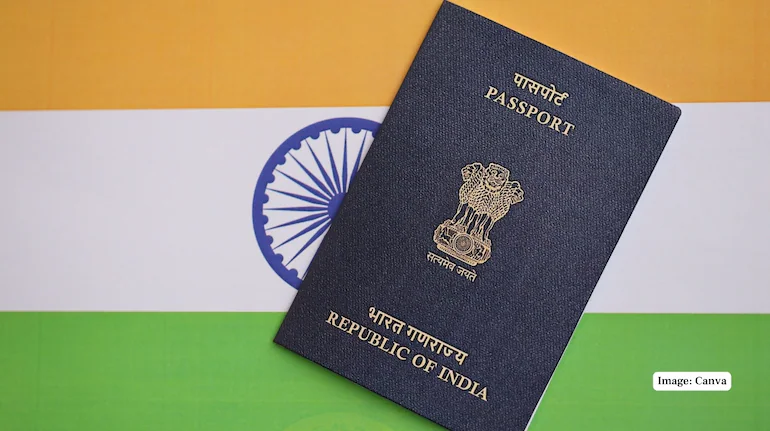
The revised framework is part of the government’s wider effort to make travel to India more accessible by removing overlapping visa categories and reducing the information applicants must submit. The Ministry of Home Affairs (MHA) said the changes would create a more compact and easier-to-understand system for international visitors.
The overhaul follows an earlier exercise in October 2025, when the government consolidated 22 main visa categories into 13 and reduced the number of sub-categories from 63 to 49. The latest round takes that process further, bringing the total number of main categories down to nine.
For foreign nationals planning to visit India, the changes are intended to make it easier to identify the correct visa based on the purpose of travel. The reduction in application form fields could also make completing the required paperwork less time-consuming.
India Reduces Main Visa Categories From 13 to 9
Under the revised visa framework, India has reduced its main visa categories from 13 to nine. The number of sub-categories has also fallen from 49 to 23, representing a substantial consolidation of the country’s entry-permission system.
The Ministry of Home Affairs said the revised structure is designed to address the needs of foreign nationals travelling for different purposes, including tourism, medical treatment, education, research, investment and business activities.
Previously, the larger number of categories and sub-categories could make it more difficult for applicants to determine which option matched their travel plans. Overlapping purposes and similar eligibility requirements can create confusion, particularly for visitors who are unfamiliar with India’s visa system.
By combining categories and clarifying the available options, the government aims to make the framework more straightforward. Applicants should be able to identify the relevant visa purpose without navigating as many separate classifications.
However, reducing the number of categories does not mean that all types of foreign travel will be treated identically. The revised framework continues to provide options for different activities, recognising that a tourist, an international student, a medical patient and a business visitor have different travel requirements.
Visa Application Form Fields Cut by 65% to 70%
One of the most significant parts of the latest reform is the reduction in the information applicants need to provide. According to the MHA, the number of fields in application forms across all 23 visa sub-categories has been reduced by between 65% and 70%.
This means foreign nationals may have to enter substantially less information when completing the relevant application forms. The reduction is intended to make the process more convenient and reduce the administrative effort involved in applying for an Indian visa.
Visa applications often require applicants to provide personal details, travel information and information related to the purpose of their visit. When forms contain too many fields, applicants may find it difficult to understand which information is essential and which requirements apply to their particular category.
Reducing unnecessary or repetitive fields can make the process easier to navigate. It may also reduce the likelihood of applicants becoming confused while completing forms, although the actual requirements will continue to depend on the type of visa being requested.
The MHA described the objective as making the application process “easier, faster, and more applicant-friendly”. The ministry’s approach focuses on reducing procedural complexity while retaining categories suited to different legitimate travel purposes.
What Changed in India’s Visa Framework?
The latest reform builds on the rationalisation introduced in October 2025. The government has now completed another round of consolidation, reducing both the number of main categories and the associated sub-categories.
| Visa framework measure | Before October 2025 | After October 2025 | Latest framework |
|---|---|---|---|
| Main visa categories | 22 | 13 | 9 |
| Visa sub-categories | 63 | 49 | 23 |
| Application form fields | Previous requirements | Not specified in the supplied figures | Reduced by 65% to 70% |
The figures show that the government has reduced the main categories by more than half compared with the structure that existed before October 2025. The number of sub-categories has also declined substantially, from 63 to 23.
The reduction in application form fields is another part of the reform, but it is separate from the consolidation of visa categories. It reflects an effort to simplify the paperwork required within the revised system.
Why Has the Government Simplified the Visa System?
The MHA’s stated objective is to create a visa framework that is more coherent and responsive to the needs of international visitors. The government wants to remove overlaps between categories and provide clearer options based on the purpose of travel.
A complicated visa structure can create uncertainty for people who need to choose between several similar classifications. This can be particularly challenging for first-time visitors, international students and patients travelling to India for medical treatment.
When categories are consolidated and application requirements become easier to understand, applicants may find it simpler to identify the correct route. A more streamlined system can also help reduce avoidable administrative work for the authorities handling applications.
The changes are intended to support several areas of international engagement, including tourism, healthcare, education, research and investment. These activities bring foreign visitors into contact with India’s hospitality, healthcare, academic and business sectors.
The government’s approach also reflects the need to balance easier entry procedures with requirements associated with different travel purposes. A simpler application process does not remove the need for applicants to meet the relevant eligibility conditions.
How the Changes Could Benefit Foreign Tourists
Tourism is one of the areas expected to benefit from a more straightforward visa structure. International visitors planning holidays in India need to identify the appropriate travel permission and provide the information required for their applications.
A reduction in the number of categories could make this process easier to understand. Visitors may have fewer overlapping options to consider when selecting a visa that matches their travel plans.
The reduction in application fields could also make completing forms less burdensome. For tourists planning short visits, simpler paperwork may improve the overall experience of preparing for international travel.
India attracts visitors interested in its historical sites, cultural destinations, natural landscapes, religious locations and regional food traditions. Making the visa system easier to navigate is intended to support the country’s efforts to attract international travellers.
However, the impact on tourist arrivals will depend on several factors beyond visa procedures, including flight connectivity, travel costs, accommodation, destination infrastructure and the overall visitor experience.
Medical Visa Reforms Could Support Medical Value Travel
Medical travel is another area specifically covered by the government’s broader objectives. Foreign patients visit India for healthcare services, and a clear visa framework is important for people who need to arrange treatment, travel and accommodation.
Patients travelling internationally may already be dealing with medical appointments, hospital arrangements and coordination with healthcare providers. A simpler visa application process could reduce some of the administrative work involved in preparing for treatment in another country.
India has developed a medical services sector that attracts patients from different parts of the world. The government’s revised visa framework is intended to make the relevant entry options easier to identify for people seeking medical care.
Nevertheless, the category consolidation does not by itself establish changes to medical eligibility, hospital requirements or treatment-related procedures. Applicants must continue to follow the conditions applicable to their particular visa.
What the New Framework Means for International Students and Researchers
India’s visa rationalisation also covers people travelling for education and research. International students need appropriate permission to study in the country, while researchers may visit for academic collaboration, institutional projects or other research-related activities.
A clearer classification system could help these applicants understand which visa option is relevant to their circumstances. Reducing unnecessary form fields may also make the application process more manageable for people preparing documents alongside university admissions or research arrangements.
India’s universities, research institutions and educational organisations engage with students and academics from overseas. A more accessible visa framework is intended to support these international connections.
However, the new category structure should not be interpreted as an automatic relaxation of admission conditions, institutional requirements or visa eligibility rules. Applicants still need to meet the conditions associated with their intended activity in India.
Investors and Business Travellers Could Also Benefit
The revised framework includes travel for investment and business, two areas that can involve different types of visits and professional activities.
Foreign business professionals may travel to India for meetings, commercial discussions, project-related work and other permitted activities. Investors may also need to visit the country to explore opportunities or engage with business partners.
When visa categories are easier to distinguish, international visitors may find it simpler to identify the appropriate application route. A reduction in paperwork could also make the initial administrative process more convenient.
The government expects the streamlined system to encourage legitimate economic engagement with India. However, the precise conditions for each activity remain important. Foreign nationals should not assume that a simplified category structure allows them to undertake activities that are not covered by their visa.
Will the New Visa Rules Make Travel to India Faster?
The government has described the changes as an effort to make the visa process easier and faster. The reduction in application form fields could help applicants spend less time completing paperwork, while the smaller number of categories may make it easier to identify the correct option.
However, fewer form fields do not necessarily mean that every visa application will be processed within a shorter period. Processing times can depend on the visa category, the applicant’s circumstances, document verification and other administrative requirements.
The MHA’s announcement focuses on simplifying the framework and application forms. It does not, in the information provided, establish a new universal visa-processing deadline or guarantee approval within a particular number of days.
Applicants should therefore continue to plan their travel with sufficient time for the relevant application and verification procedures.
What Foreign Nationals Should Check Before Applying
Foreign nationals planning to visit India should consult the official Indian visa application system and relevant government instructions before submitting an application under the revised framework.
Applicants should pay particular attention to the purpose of their visit. Tourism, medical treatment, education, research, investment and business activities may have different requirements even under a simplified classification system.
They should also check the documents required for their selected category and ensure that the information submitted is accurate. The reduction in form fields does not remove the responsibility to provide correct details or meet the relevant eligibility conditions.
People who have already started an application under the earlier framework should check the official portal for instructions on how the revised categories apply to their application. They should avoid relying on outdated category names or unofficial guidance when choosing a visa.
A Further Step Towards a More Accessible Indian Visa System
India’s decision to reduce its main visa categories from 13 to nine marks another stage in the government’s effort to simplify entry procedures for foreign nationals. The reduction in sub-categories from 49 to 23 and application form fields by 65% to 70% represents a broader attempt to make the system easier to navigate.
The reforms are intended to support international tourism, medical travel, education, research, investment and business engagement while removing unnecessary complexity from the application process.
Their practical impact will depend on how effectively the revised framework is implemented and how clearly applicants can access updated information. The reduction in paperwork is a significant administrative change, but actual processing times and eligibility requirements will continue to depend on the relevant visa rules.
For foreign visitors, the central change is a more consolidated system with fewer categories and substantially shorter application forms. For India, the government hopes that a simpler framework will make the country more accessible to people travelling for tourism, healthcare, education and economic opportunities.
For breaking news and live news updates, like us on Facebook or follow us on Twitter and Instagram. Read more on Latest India on thefoxdaily.com.






COMMENTS 0