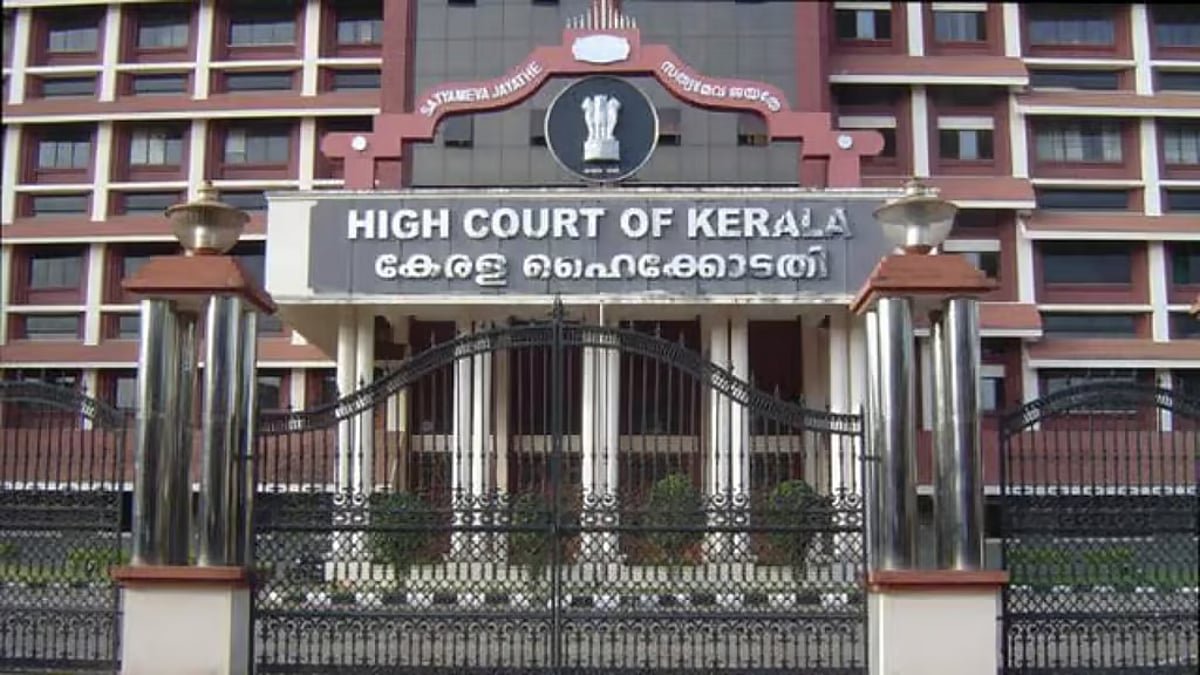
Kerala Chief Minister V D Satheesan has said his government wants 16 suspended students of Sree Sankaracharya University of Sanskrit in Kalady to be allowed to continue their education and appear for examinations, arguing that disciplinary action should not destroy their academic futures. His remarks came after the Kerala High Court quashed the students’ suspension on November 23 and directed the university to arrange separate examinations for those who missed them.
The university has challenged the High Court’s decision, creating another legal hurdle in a dispute that began with a student protest against alleged shortcomings in campus facilities. Satheesan said the government had no role in the university’s appeal but maintained that students should not be prevented from taking examinations simply because they participated in protests.
What the Kerala Chief Minister Said About the Suspended Students
Speaking to reporters in Thiruvananthapuram after a Cabinet meeting, Satheesan said the government’s position was that the students should receive an opportunity to write their examinations. He stressed that the government had not taken a formal position before the High Court on either the suspensions or the protests that followed.
“We said we will implement the court orders. The university has gone in appeal against the court order. The government has no role in it,” the Chief Minister said.
He added that the government did not support an outcome that could permanently damage the students’ academic prospects. “We are of the view that the students should be allowed to write the exams. The government is not in favour of ruining the future of the students,” he said.
Satheesan also said he would have preferred to speak directly with the protesting students. However, he considered it inappropriate to intervene personally while the dispute remained before the court.
His comments underline the distinction the government is attempting to make between students’ right to protest and the methods used during demonstrations. Satheesan said the government had no objection to students holding protests and believed they should not lose examination opportunities merely for agitating.
At the same time, he criticised the reported disruption of a university Syndicate meeting. “But protests have a method. Barging into syndicate meetings is not it,” he said.
Why Were the 16 Sanskrit University Students Suspended?
The dispute centres on a protest held on August 13, 2026, at Sree Sankaracharya University of Sanskrit in Kalady, Ernakulam district. The students, who belong to the Students’ Federation of India (SFI), had raised concerns about conditions on campus and sought action from university authorities.
Their grievances included vacant teaching positions, inadequate infrastructure, delays in issuing certificates and pending fellowship payments. Reports on the dispute also referred to 27 vacant lecturer posts, which students said were affecting academic activities.
The demonstration took place around a Syndicate meeting and involved a confrontation between protesters and university authorities. The university accused the students of staging a mock cremation of Vice-Chancellor Ciza Thomas, manhandling her and attempting to damage university property.
The students disputed the university’s description of the symbolic protest. They maintained that the mock funeral was directed at non-functioning stage lights rather than the Vice-Chancellor. The university, however, treated the incident as misconduct and initiated disciplinary proceedings.
On September 1, the university suspended all 16 students pending an inquiry. The action restricted their ability to attend regular classes and created difficulties for those who needed to take scheduled examinations.
The allegations against the students must be distinguished from findings in the disciplinary process. The High Court’s November 23 decision set aside the university’s inquiry report and suspension-related orders because of procedural problems. It did not prevent the university from initiating a fresh inquiry in accordance with the law.
Kerala High Court Quashes Suspension and Orders Special Examinations
On November 23, Justice P V Kunhikrishnan of the Kerala High Court allowed the students’ petition challenging the disciplinary action taken by the university. The court set aside the inquiry report and the consequential suspension and disciplinary decisions.
It directed the university to allow the students to return to campus and attend regular classes immediately. It also ordered separate examinations for students who had missed their examinations because of the suspension.
The direction is particularly important for the 10 students who were unable to appear for examinations that began on November 4. The court instructed the university to conduct the special examinations within six weeks of receiving a copy of the judgment.
The remaining six petitioners are research scholars who had not missed examinations because of the suspension. The court’s order nevertheless allows all 16 students to return to the university and resume regular academic activities.
Why the Court Set Aside the Disciplinary Proceedings
The judgment focused on procedural fairness in the university’s disciplinary inquiry. The court found that the students had not been given adequate information about the specific allegations against them and had not received a fair opportunity to respond to the evidence used in the proceedings.
Among the concerns were the failure to provide sufficiently detailed charges, the absence of relevant complaint and witness materials, and questions about how evidence had been recorded. The court also identified problems with the inquiry committee’s reliance on material beyond the incident it had been appointed to investigate.
These shortcomings raised concerns about whether the students had received a fair hearing. The court therefore set aside the inquiry report and the disciplinary decisions based on it.
Importantly, the judgment did not give the students permanent immunity from disciplinary action. The university remains free to conduct a fresh inquiry, provided it follows the law and gives the students a proper opportunity to defend themselves.
The court also made clear that the university cannot suspend the students again while a fresh inquiry is pending. If they are found guilty in any subsequent proceedings, the 84 days they had already spent under suspension must be considered when deciding the appropriate punishment.
University Challenges the High Court’s Decision
The legal dispute has continued despite the relief granted to the students. Sree Sankaracharya University of Sanskrit, along with its Syndicate and Vice-Chancellor Ciza Thomas, has filed an appeal before a Division Bench of the Kerala High Court challenging the November 23 judgment.
The university has questioned the decision to entertain the students’ petition and argued that they should have pursued the grievance-redressal mechanisms available within the university system. It has also sought an interim stay of the judgment while its appeal is considered.
The appeal means the legal position could face further examination. However, the filing of an appeal does not by itself establish that the High Court’s directions have been overturned. The university has sought relief from the appellate court, and the next legal developments will determine whether the November 23 order remains operative or is modified.
Satheesan said the state government was not involved in the university’s decision to appeal. He reiterated that the government intended to follow court orders and did not want the students’ education to suffer because of the dispute.
Chief Minister Draws a Line Between Student Protest and Campus Disruption
Satheesan’s remarks reflect a broader debate about how universities should respond to student demonstrations. Campus protests can bring attention to problems involving teaching staff, infrastructure, administrative delays and student welfare. At the same time, universities have responsibilities to maintain order and address allegations of misconduct.
The Chief Minister said students should not be denied the opportunity to write examinations simply because they took part in a protest. His comments suggest that participation in a demonstration and eligibility to continue academic activities should not automatically be treated as the same issue.
However, he also argued that demonstrations should follow acceptable methods. His criticism of students entering a Syndicate meeting indicates that support for the right to protest does not amount to approval of every action taken during a demonstration.
For universities, the dispute highlights the importance of following transparent disciplinary procedures. Institutions can investigate allegations of violence, intimidation or damage to property, but disciplinary decisions must be supported by a fair process. Students must know the charges against them and have a meaningful opportunity to respond.
Satheesan Criticises Earlier Handling of Student Protests
During the press conference, Satheesan also referred to disciplinary action taken against protesting students during the tenure of the previous government. He claimed that students associated with groups opposed to the SFI had previously faced suspension and dismissal, damaging their academic prospects.
He alleged that some people who had supported those earlier actions were now backing the protests by the Kalady university students. Satheesan said there was nothing inherently wrong with supporting the current students, but questioned what he described as a difference in how similar situations had been treated in the past.
These remarks brought a political dimension to the university dispute. However, the immediate legal question remains whether the institution followed the required procedures when it suspended the 16 students and conducted its inquiry.
What Happens Next for the 16 Students?
The students’ immediate academic prospects depend on the implementation of the High Court’s directions and the outcome of the university’s appeal. The November 23 judgment provides for their return to campus and requires special examinations for those who missed the scheduled tests.
The six-week deadline for the separate examinations is intended to prevent the disciplinary dispute from causing further academic delays. The court also made clear that a fresh inquiry cannot be used as a reason to postpone those examinations.
At the same time, the university can pursue a fresh disciplinary investigation in accordance with the law. Any such process must address the procedural shortcomings identified by the High Court, rather than simply repeat the earlier proceedings.
The university’s appeal introduces uncertainty over the next stage of the case, particularly if the Division Bench considers its request for an interim stay. Until the appellate court issues further directions, the November 23 judgment remains the central order governing the students’ reinstatement and examination arrangements.
Academic Futures at the Centre of the Kalady University Dispute
The confrontation at the Sanskrit university has developed from a campus protest into a wider dispute over student rights, institutional discipline and procedural fairness. The university has serious allegations to examine, while the students have challenged the manner in which disciplinary action was taken against them.
Satheesan’s position is that students should be held accountable through appropriate procedures without being unnecessarily deprived of their education. The High Court’s judgment has similarly distinguished the possibility of a fresh inquiry from the immediate need to restore the students’ academic access.
The coming weeks will be important for the 16 students, particularly those who missed examinations. The High Court’s directions offer a route back to classes and a chance to complete missed assessments, but the university’s appeal means the dispute is not yet over.
Ultimately, the case raises a question relevant to universities beyond Kalady: how can institutions respond to alleged misconduct during protests while ensuring that disciplinary action does not unfairly derail students’ education? The court’s emphasis on due process and the government’s call to protect academic futures have placed that question at the centre of the continuing dispute.
For breaking news and live news updates, like us on Facebook or follow us on Twitter and Instagram. Read more on Latest India on thefoxdaily.com.





COMMENTS 0