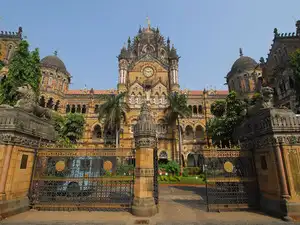
The reported threat has drawn attention because it coincides with one of the most sensitive dates in Mumbai’s modern history. November 26 marks the beginning of the 2008 coordinated terror attacks, when armed Lashkar-e-Taiba terrorists arrived in the city by sea and attacked several locations, including the Taj Mahal Palace Hotel, Chhatrapati Shivaji Maharaj Terminus and the Oberoi-Trident complex.
According to reports published on November 26, the email warned of an explosion at the mayor’s office at 1:11 pm. It also claimed that explosives had been planted at several locations and threatened further attacks across Mumbai over the following weeks. These statements were part of the threatening message and have not, by themselves, established that any explosive devices were actually present.
Which Mumbai locations were mentioned in the threat email?
The email reportedly named several public places and prominent locations across the city. Among those mentioned were:
- Mumbai Mayor’s office: The message threatened an explosion at the mayor’s office on November 26 at 1:11 pm.
- Mahalaxmi Metro Station: The sender claimed that an improvised explosive device (IED) had been planted at the station.
- Science Metro Station: The location was also included in the alleged list of targets.
- Acharya Metro Station: The email made a similar claim about this station.
- Amitabh Bachchan’s Jalsa bungalow: The actor’s residence in Juhu was reportedly named in the message.
The email also allegedly threatened grenade attacks at different locations across Mumbai over the next 30 days and warned of possible IED explosions at metro stations between November 27 and December 31.
Authorities will need to establish whether the claims have any factual basis. A threat email naming a location does not confirm that explosives have been planted there, and the allegations should not be treated as evidence of an actual attack.
Pro-Khalistan references in the threatening message
Reports said the email contained pro-Khalistan slogans and references to the Khalistan National Army and Babbar Khalsa. It also referred to the 1984 anti-Sikh riots. These references are part of the message being examined by authorities; they do not establish that any named organisation was responsible for sending it.
Investigators will need to examine the email’s origin, digital trail, language and any claims of organisational links before drawing conclusions about the sender’s identity or motive. The use of a group’s name or slogan in an anonymous threat is not proof of that group’s involvement.
Repeated bomb threats targeting Mumbai this year
The latest email comes after several similar threats involving the mayor’s office and other prominent locations in Mumbai during 2026. The recurrence has raised concerns about the burden such messages place on police, civic officials and emergency-response teams.
- June 2026: An email reportedly threatened the mayor’s official vehicle and office cabin, while also mentioning the Chief Minister’s Office and the Bombay Stock Exchange. Security agencies were alerted and checks were conducted at the BMC headquarters.
- August 2026: Another threat reportedly named the mayor’s office, metro stations, schools and the Bombay Stock Exchange. Police and security personnel responded to the warning.
- October 2026: An email threatened the mayor’s office, actor Amitabh Bachchan’s Juhu residence and the venue of singer Diljit Dosanjh’s concert. Officials said a search of the mayor’s office found nothing suspicious.
- November 12, 2026: A separate email reportedly referred to the airport, the mayor’s office, Bachchan’s residence, Mahalaxmi Stadium and several bank locations. Authorities stepped up security following the warning.
These incidents demonstrate why every threat has to be assessed rather than automatically dismissed as a hoax. At the same time, repeated false or unsubstantiated warnings can divert personnel and emergency resources from other public-safety responsibilities.
Why the 26/11 anniversary makes the threat particularly sensitive
The timing carries particular significance for Mumbai. The 26/11 attacks began on the evening of November 26, 2008, when 10 terrorists associated with Pakistan-based Lashkar-e-Taiba entered Mumbai by sea and launched coordinated attacks across the city.
The attackers targeted multiple locations, including Chhatrapati Shivaji Maharaj Terminus, the Taj Mahal Palace Hotel, the Oberoi-Trident hotel complex, Nariman House and other public places. The attacks continued for nearly three days and killed 166 people, including Indian citizens and foreign nationals. More than 300 people were injured.
The anniversary is observed through memorial events and tributes to the victims, security personnel and others who lost their lives. It also serves as a reminder of the importance of intelligence coordination, emergency preparedness and protection of public spaces.
A bomb threat received on the same date therefore demands careful attention, particularly when it names a major civic office and public transport locations. However, the timing alone does not establish a connection between the current email and the 2008 attacks.
What investigators need to establish
The immediate priority in a bomb-threat investigation is to assess the credibility of the message and verify the locations it identifies. Police and bomb-detection teams can examine the named premises, check for suspicious objects and coordinate with the agencies responsible for public transport and other facilities.
Investigators also need to trace the email’s technical origin, examine account and server information where available, and determine whether the sender has made similar threats previously. The references to specific times, locations and alleged organisations may form part of that examination.
For commuters and residents, the practical concern is whether any location faces a verified security risk or temporary access restrictions. People should follow instructions issued by Mumbai Police, transport authorities and civic officials, avoid approaching restricted areas and report suspicious objects to the authorities rather than attempting to inspect them.
Threat claims remain different from confirmed security findings
The reported email names several prominent locations and makes claims about planted explosives and future attacks. Those claims must be distinguished from confirmed findings by police or bomb-disposal teams. The sender’s identity, the authenticity of the alleged organisational references and the actual security status of every location mentioned require independent verification.
The fact that similar emails have been received earlier this year is relevant background, but it does not establish that the latest message is harmless. Each warning requires an appropriate assessment, and any conclusions about a possible hoax or genuine threat should come from the investigating authorities.
As Mumbai marks the anniversary of the 26/11 attacks, the email targeting Mayor Ritu Tawde and BMC Commissioner Ashwini Bhide has added a fresh security concern for the city. The focus remains on checking the locations named in the message, identifying its sender and establishing whether any credible danger exists.
For breaking news and live news updates, like us on Facebook or follow us on Twitter and Instagram. Read more on Latest India on thefoxdaily.com.

COMMENTS 0