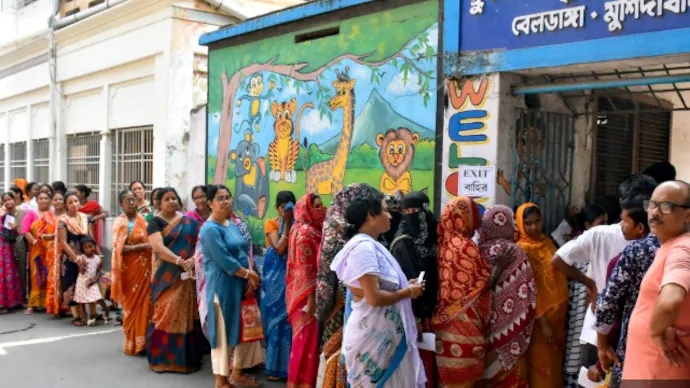
Polling began at 7 am on Thursday for the first phase of Rajasthan’s three-phase Panchayati Raj elections, with more than 85 lakh eligible voters set to elect representatives to zila parishads and panchayat samitis across 16 districts. A total of 6,976 candidates are contesting 2,081 seats in this phase, making it a significant stage in the state’s rural local governance elections.
The first phase covers elections to 16 zila parishads and 104 panchayat samitis. According to the election figures provided, 85,07,306 voters are eligible to participate. The contests include 293 zila parishad wards and 1,788 panchayat samiti wards, with candidates competing for positions that play an important role in local development and rural administration.
The polling marks the beginning of a wider electoral exercise covering 41 zila parishads, 457 panchayat samitis and elections for panches and sarpanches across 14,403 gram panchayats. The remaining phases are scheduled for October 28 and November 3, followed by elections for village-level office-bearers on November 5 and November 6.
Rajasthan Panchayati Raj Elections 2026: Key Details
The first phase of the Rajasthan local body elections is being held across 16 districts, with thousands of candidates contesting rural local government positions. The election schedule covers different tiers of the Panchayati Raj system, including district-level zila parishads, intermediate-level panchayat samitis and village-level gram panchayats.
The main figures for the first phase are as follows:
- Polling start time: 7 am on Thursday.
- Districts covered: 16.
- Eligible voters: 85,07,306.
- Total candidates: 6,976.
- Total seats being contested: 2,081.
- Zila parishad wards: 293.
- Panchayat samiti wards: 1,788.
- Second phase: October 28, 2026.
- Third phase: November 3, 2026.
- Third-phase panch and sarpanch elections: November 5, 2026.
- Up-sarpanch elections: November 6, 2026.
The figures underline the scale of the election exercise and the administrative arrangements required to conduct polling across numerous rural constituencies. The first phase will determine representatives for district and block-level local bodies in the participating districts.
More Than 6,900 Candidates Contest 2,081 Seats
A total of 6,976 candidates are in the electoral contest during the first phase. Of these, 1,693 candidates are competing for 293 zila parishad wards, while 5,283 candidates are contesting 1,788 panchayat samiti wards.
The larger number of candidates contesting panchayat samiti seats reflects the greater number of wards being decided at that level. Together, the two categories account for all 2,081 seats covered in the first phase.
Zila parishads and panchayat samitis are important components of Rajasthan’s Rural Governance structure. Their elected representatives participate in local planning and development-related decision-making, including matters affecting village infrastructure, public services and the implementation of development programmes within their jurisdictions.
The election results will determine which candidates represent the respective wards and take part in the functioning of these local institutions. The contests also provide voters with an opportunity to choose representatives for governance issues that directly affect rural communities.
Which Districts Are Voting in the First Phase?
The first phase of the Rajasthan Panchayati Raj elections is taking place in Ajmer, Alwar, Barmer, Bhilwara, Bikaner, Dungarpur, Jaipur, Jhalawar, Jodhpur, Kota, Nagaur, Pali, Phalodi, Rajsamand, Sirohi and Udaipur.
These 16 districts form the geographical coverage of the first round of voting. Eligible voters in the designated constituencies are participating in elections for zila parishad and panchayat samiti members.
The districts differ in the number of wards and candidates contesting the elections. Some have relatively more zila parishad wards, while others have large candidate fields in the panchayat samiti contests.
The variation means that the scale of electoral competition differs from one district to another. Candidate numbers and ward totals provide an indication of the size of each contest, although they do not by themselves indicate which candidates are likely to win.
Bhilwara Has the Highest Number of Zila Parishad Wards
Among the zila parishads participating in the first phase, Bhilwara has the highest number of wards, with 28. Udaipur follows with 25 wards, while Barmer has 24 and Jaipur has 22.
The number of wards determines how many separate zila parishad constituencies are included in the relevant district’s election. Each ward represents an individual electoral contest in which voters choose their representative.
The distribution of wards also shapes the overall candidate count and the arrangements required for polling. Districts with more wards may have more separate contests to administer, although the number of polling locations and other logistical details depend on the election arrangements for each constituency.
The first-phase figures show that the zila parishad contests form a substantial part of the overall electoral exercise, even though fewer candidates are contesting these seats than panchayat samiti positions.
Jaipur Leads in Zila Parishad Candidates
Jaipur has the highest number of candidates contesting zila parishad seats in the first phase, with 154 candidates. Bikaner follows with 138 candidates, while Alwar and Jodhpur have 133 candidates each.
The number of candidates competing for seats varies across districts, reflecting the number of wards and the individual contests taking place. A larger candidate field means voters may have more names to consider on the ballot, but it does not independently establish the competitiveness or likely outcome of an election.
For voters, the zila parishad election provides an opportunity to select representatives who will participate in district-level rural governance. The responsibilities of these institutions can affect local development priorities and the coordination of public programmes.
Jaipur’s position as the district with the highest number of zila parishad candidates makes its contests a notable part of the first phase. Bikaner, Alwar and Jodhpur also have sizeable candidate fields, according to the figures released for the election.
Nagaur Records the Highest Number of Panchayat Samiti Candidates
The panchayat samiti contests have a larger candidate field overall. Nagaur has the highest number of candidates contesting panchayat samiti seats, with 470. Barmer follows with 467 candidates, while Bhilwara has 466.
These figures place Nagaur, Barmer and Bhilwara among the districts with the largest numbers of candidates competing in the first-phase panchayat samiti elections.
Panchayat samitis operate at an intermediate level of the rural local government system, between gram panchayats and zila parishads. Their elected members contribute to development planning and administrative coordination at the block level.
The elections therefore have implications beyond the immediate voting process. The representatives chosen will participate in local governance structures that help address community needs and coordinate development initiatives across rural areas.
As with the zila parishad contests, the number of candidates provides a snapshot of the electoral field but should not be interpreted as a prediction of the results. The outcome will depend on votes cast by eligible electors in the respective constituencies.
Rajasthan Panchayati Raj Elections to Be Held in Three Phases
The first phase is part of a broader election programme covering 41 zila parishads and 457 panchayat samitis across Rajasthan. The programme also includes elections for panches and sarpanches in 14,403 gram panchayats.
Conducting the elections in multiple phases allows the electoral exercise to be organised across different areas according to the announced schedule. The first round covers the 16 districts listed for Thursday’s polling, while the remaining rounds will take place on separate dates.
The second phase of polling for zila parishad and panchayat samiti members is scheduled for October 28, 2026. The third phase is scheduled for November 3, 2026.
The wider election programme also includes village-level positions. Elections for panches and sarpanches in the third phase are scheduled for November 5, followed by indirect elections for up-sarpanches on November 6.
The different dates reflect the distinct stages involved in choosing representatives across Rajasthan’s rural local government institutions. Voters should consult the applicable election notification for the schedule and arrangements relevant to their own constituency.
What Are Zila Parishads and Panchayat Samitis?
Rajasthan’s Panchayati Raj system forms part of India’s framework for rural local self-government. It provides elected institutions at different levels so that local representatives can participate in planning, development and public administration.
Zila Parishad: The District-Level Institution
A zila parishad operates at the district level of the rural governance structure. Its elected members participate in district-level development planning and coordination involving rural areas.
The work of a zila parishad can relate to local infrastructure, development priorities and coordination among lower-level rural institutions. The precise responsibilities and programmes involved depend on the applicable laws, administrative arrangements and government schemes.
By electing zila parishad representatives, voters choose members who will take part in decisions affecting rural development at the district level.
Panchayat Samiti: The Intermediate Level
A panchayat samiti functions at the intermediate or block level. It connects village-level governance with district-level institutions and plays a role in coordinating development activities across its area.
Panchayat samiti representatives can help bring local concerns into the planning process and participate in decisions relating to rural services and development programmes. Their work can influence how local priorities are discussed and addressed within the relevant administrative framework.
Gram Panchayat: The Village Level
Gram panchayats form the village-level tier of rural local government. Panches and sarpanches are elected to represent residents and participate in local decision-making.
The November election schedule includes contests for panches and sarpanches in 14,403 gram panchayats. These positions are particularly relevant to residents because village-level bodies often deal with local priorities and community issues.
Together, the three levels provide a structure through which rural communities can elect representatives and participate in local governance.
Why the Local Body Elections Matter for Rural Rajasthan
The Rajasthan Panchayati Raj elections determine who will represent rural constituencies in local institutions responsible for development planning and governance. Although national and state elections receive considerable attention, local body elections can have a direct bearing on issues affecting everyday life in villages and rural blocks.
These issues may include local infrastructure, public facilities, the coordination of development programmes and the identification of community priorities. Elected representatives also provide a formal channel through which residents can raise concerns within the local governance system.
The elections are taking place across districts with different numbers of wards and candidates. That diversity means the contests are shaped by local constituencies and their respective electoral fields rather than by a single statewide contest for one office.
The results will determine the composition of the relevant zila parishads and panchayat samitis. Their elected members will then participate in the work of those institutions in accordance with their legal responsibilities.
For voters, participation is an opportunity to exercise their democratic rights at the local level. For election authorities, the multi-phase programme involves coordinating polling across a large number of constituencies and ensuring that the announced procedures are followed.
Rajasthan Local Body Polls: What Happens After the First Phase?
After the first phase, the next round of polling for zila parishad and panchayat samiti members is scheduled for October 28. The third phase for these positions is scheduled for November 3.
The schedule then moves to the village-level elections for panches and sarpanches in the third phase on November 5. Indirect elections for up-sarpanches are scheduled for November 6.
Voters should distinguish between the polling dates for zila parishad and panchayat samiti members and the dates for village-level positions. The elections cover different offices, and the relevant schedule depends on the constituency and position being contested.
The information provided does not specify the result declaration dates or detailed polling arrangements for every constituency. Those details should be confirmed through official election notifications rather than assumed from the voting schedule alone.
Frequently Asked Questions
When did the first phase of Rajasthan local body elections begin?
Polling began at 7 am on Thursday, October 22, 2026, according to the supplied election schedule.
How many voters are eligible in the first phase?
A total of 85,07,306 voters, or more than 85 lakh electors, are eligible to vote in the first phase across 16 districts.
How many candidates are contesting in the first phase?
A total of 6,976 candidates are contesting 2,081 seats. Of these, 1,693 candidates are competing for 293 zila parishad wards and 5,283 are contesting 1,788 panchayat samiti wards.
Which districts are included in the first phase?
The districts are Ajmer, Alwar, Barmer, Bhilwara, Bikaner, Dungarpur, Jaipur, Jhalawar, Jodhpur, Kota, Nagaur, Pali, Phalodi, Rajsamand, Sirohi and Udaipur.
Which district has the most zila parishad wards?
Bhilwara has the highest number, with 28 wards. Udaipur has 25, Barmer has 24 and Jaipur has 22.
Which district has the highest number of zila parishad candidates?
Jaipur leads with 154 candidates. Bikaner has 138, while Alwar and Jodhpur have 133 candidates each.
Which district has the most panchayat samiti candidates?
Nagaur has the highest number, with 470 candidates. Barmer follows with 467 and Bhilwara with 466.
When will the next phases of polling take place?
The second phase of polling for zila parishad and panchayat samiti members is scheduled for October 28, 2026, while the third phase is scheduled for November 3.
When are the panch and sarpanch elections scheduled?
Elections for panches and sarpanches in the third phase are scheduled for November 5, followed by indirect elections for up-sarpanches on November 6.
Conclusion
The first phase of Rajasthan’s three-phase Panchayati Raj elections began on Thursday, with more than 85 lakh eligible voters across 16 districts set to choose representatives for zila parishads and panchayat samitis. A total of 6,976 candidates are contesting 2,081 seats, including 293 zila parishad wards and 1,788 panchayat samiti wards.
Bhilwara has the highest number of zila parishad wards, Jaipur has the largest field of zila parishad candidates, and Nagaur leads in the number of panchayat samiti candidates. The remaining phases are scheduled for October 28 and November 3, followed by elections for panches, sarpanches and up-sarpanches in November.
The election programme represents a major exercise in rural local democracy across Rajasthan. Its results will determine the elected representation of district- and block-level institutions that play an important role in local governance and rural development.
For breaking news and live news updates, like us on Facebook or follow us on Twitter and Instagram. Read more on Latest India on thefoxdaily.com.

COMMENTS 0