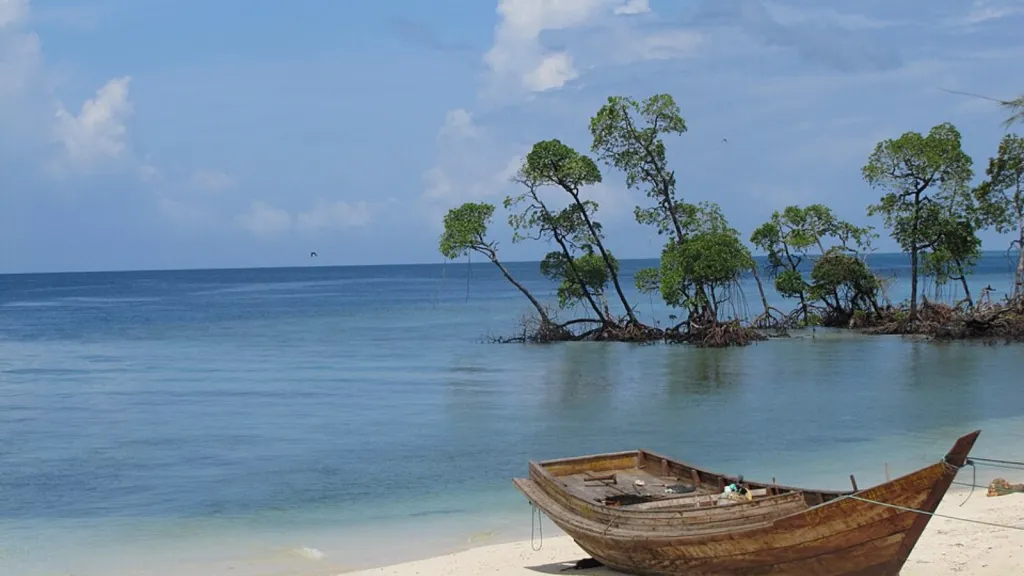
The Andaman Islands are often pictured as a tropical escape filled with turquoise waters, white-sand beaches and colourful coral reefs. Destinations such as Swaraj Dweep (Havelock Island) and Shaheed Dweep (Neil Island) are popular with travellers seeking relaxation and water-based adventures. However, the archipelago has plenty to offer beyond its coastline.
From paddling through mangrove-lined waterways and exploring historic landmarks to walking through tropical forests and sampling regional cuisine, the islands reveal a fascinating mix of natural beauty, history and cultural influences. Travelling beyond the usual beach itinerary can provide a deeper understanding of the Andaman landscape and the communities that call it home.
Whether you are planning a longer holiday or looking to add variety to a beach-focused trip, these five experiences offer different ways to discover the Andaman Islands.
1. Kayak Through the Mangrove Forests of Baratang
One of the most distinctive ways to experience the Andaman Islands is by exploring their mangrove ecosystems. Unlike the open coastline, mangrove forests create a quieter landscape of narrow waterways, tangled roots and dense vegetation. They are also important ecological habitats that support wildlife and help protect coastal areas.
Baratang Island is among the places where visitors can experience this environment. Its waterways are bordered by thick mangrove growth, creating a setting that feels very different from the islands’ familiar beaches. The exposed roots, tidal movement and surrounding vegetation make the journey as interesting as the destination.
Kayaking, where permitted and available through authorised operators, allows travellers to move through these waterways at a slower pace. It can also provide opportunities to observe the ecosystem more closely. Guided excursions may explain how mangroves support coastal biodiversity, provide habitats for different species and help reduce the impact of waves and erosion.
For visitors accustomed to sightseeing from a vehicle or spending time beside the sea, paddling through a mangrove channel offers a more immersive experience. It encourages travellers to notice smaller details, from the movement of water around the roots to the birds that inhabit the vegetation.
Depending on the itinerary and local access arrangements, a visit to Baratang can also include its limestone caves. Combining these natural attractions makes the island an interesting choice for travellers who want to explore more than the typical beach circuit.
2. Discover India’s Freedom Struggle at Cellular Jail
The Andaman Islands are not defined by natural scenery alone. Their history is closely connected to India’s struggle for independence, and Cellular Jail in Sri Vijaya Puram offers visitors an opportunity to understand this difficult chapter of the country’s past.
Built by the British during the late 19th century and completed in 1906, the prison was used to incarcerate political prisoners and revolutionaries. Many were sent far from mainland India and subjected to harsh conditions. The isolation of the islands made imprisonment particularly severe, separating prisoners from their families, communities and familiar surroundings.
Cellular Jail was originally designed with seven wings radiating from a central watchtower. This layout allowed prison authorities to monitor the cells and maintain control over the facility. Although only part of the original structure survives today, the building remains an important national memorial.
Visitors can explore its galleries and exhibits, which document the experiences of prisoners and the history of colonial incarceration. The displays offer historical context to the architecture, helping visitors understand how the prison functioned and why it became a significant symbol of the freedom movement.
The light-and-sound presentation, when operating, provides another way to learn about the jail’s past. Through narration and the setting of the historic building, it recounts the experiences associated with the prison and its place in India’s independence movement. Visitors should check current timings and availability before planning their visit.
A visit to Cellular Jail adds a meaningful historical dimension to an Andaman holiday. It also offers a reminder that the islands’ past extends well beyond their reputation as a tropical tourist destination.
3. Trek Through the Tropical Forests of Mount Harriet
Travellers who want a break from coastal sightseeing can explore the Andaman Islands’ tropical forests and forested hills. The archipelago’s landscapes include dense vegetation, varied plant life and habitats for numerous bird and animal species. Walking through these areas offers a different perspective on the islands’ natural environment.
Mount Harriet National Park, associated with the forested hills of the Andaman region, is one place to consider for nature-focused exploration. Its green surroundings and viewpoints provide an alternative to spending the day beside the sea.
The forest environment is particularly appealing to visitors interested in biodiversity. Birds and other forest-dwelling species form part of the landscape, while the vegetation creates a striking contrast with the open beaches and coastal areas. Travelling on foot can make it easier to appreciate the changing scenery and the details of the forest.
Depending on the route, access conditions and applicable permissions, visitors may be able to explore designated sections on foot. It is advisable to check local regulations and trail availability before setting out, as not every forest area is necessarily open for unrestricted tourism.
Responsible trekking is important in these sensitive environments. Travellers should remain on permitted routes, avoid disturbing wildlife, carry back their waste and follow instructions from local authorities or guides. These simple practices help reduce the impact of tourism on fragile forest habitats.
4. Explore Local Culture and Food in Sri Vijaya Puram
Food, markets and everyday interactions can reveal another side of the Andaman Islands. The archipelago has a diverse population shaped by migration from different parts of India, alongside Indigenous communities with distinct histories, identities and traditions. This diversity is reflected in the food available across permitted settlements and local markets.
Sri Vijaya Puram, formerly known as Port Blair, is a useful place to begin exploring the islands’ everyday food culture. Travellers can visit local markets, try regional dishes and discover eateries serving different styles of Indian cooking.
Seafood is an important part of the culinary experience. Fresh fish and prawns, along with coconut-based preparations and locally available tropical produce, feature in many meals. Depending on the restaurant and local availability, visitors may also find dishes influenced by Bengali, Tamil, Telugu and other regional cuisines.
Rather than limiting meals to hotel restaurants, travellers can consider visiting small eateries and food markets in permitted areas. These places can offer a glimpse into local routines and the variety of ingredients used in island cooking.
However, cultural exploration in the Andaman Islands requires sensitivity. The Indigenous communities of the region have their own histories, rights and ways of life. Protected tribal reserves and Indigenous settlements are not tourist attractions. Visitors should never attempt unauthorised encounters, enter restricted areas or take photographs without permission.
Respecting these boundaries is essential to responsible travel. Exploring local food and everyday life in accessible settlements can provide a meaningful cultural experience without intruding on protected communities.
5. Explore the Limestone Caves and Geological Landscapes of Baratang
The Andaman Islands also offer natural attractions shaped by geological processes over long periods. The limestone caves of Baratang are among the region’s distinctive inland sights and provide a contrast to the beaches, reefs and coastal viewpoints that dominate many travel itineraries.
Limestone caves develop through the gradual action of water on limestone rock. Over time, this process can create unusual formations, including textured surfaces and naturally sculpted features. The caves offer visitors an opportunity to appreciate the geological forces that shape landscapes, often over periods far longer than a human lifetime.
Reaching Baratang can be part of the experience. Depending on the route and local arrangements, the journey may take visitors through forested stretches and mangrove-lined waterways. Certain sections may require designated transport, boat transfers or guided excursions, with access governed by local regulations.
Because the caves are natural formations, visitors should avoid touching or damaging the structures. Following designated routes and instructions from local guides helps protect the environment while making the visit safer and more informative.
For travellers interested in nature, geology and landscapes, Baratang offers a different kind of sightseeing experience. It also demonstrates why the Andaman Islands deserve attention beyond their beaches and water sports.
How to Plan a More Diverse Andaman Islands Holiday
Exploring the Andaman Islands beyond their coastline does not mean giving up time at the beach. Instead, travellers can build a more varied itinerary by combining coastal activities with historical visits, nature experiences and opportunities to discover local food.
- Balance outdoor activities with sightseeing: Combine a mangrove excursion or forest walk with a visit to a historical attraction rather than planning every day around the beach.
- Check access rules in advance: Forest trails, protected areas and certain excursions may have specific permissions or operating conditions. Confirm current arrangements before travelling.
- Choose responsible operators: For activities such as kayaking and guided nature excursions, use authorised providers who follow local safety and environmental requirements.
- Allow enough travel time: Reaching inland attractions may involve road journeys, transfers or boat travel. Avoid packing too many activities into a single day.
- Respect local communities and ecosystems: Follow photography restrictions, avoid protected tribal areas and do not disturb wildlife or natural formations.
- Explore local food thoughtfully: Try seafood and regional dishes at permitted markets and eateries while being mindful of personal dietary requirements.
Why the Andaman Islands Are More Than a Beach Destination
The appeal of the Andaman Islands lies in the variety of experiences they offer. Their beaches and coral reefs remain major attractions, but the archipelago also has mangrove ecosystems, tropical forests, geological formations and important historical landmarks.
Each experience reveals a different aspect of island life. Kayaking through mangroves highlights the importance of coastal ecosystems, while Cellular Jail connects visitors with India’s freedom struggle. Forest exploration offers a closer look at the region’s biodiversity, and local food provides an accessible introduction to the islands’ cultural influences. The limestone caves of Baratang add another dimension through their distinctive geological features.
For travellers willing to look beyond the familiar beach itinerary, these experiences can make an Andaman holiday more varied and memorable. The destination is not simply a place to enjoy turquoise water and white sand; it is also a landscape of ecological importance, historical significance and cultural diversity.
Exploring it responsibly allows visitors to appreciate this wider identity while helping protect the natural environments and communities that make the islands distinctive.
For breaking news and live news updates, like us on Facebook or follow us on Twitter and Instagram. Read more on Latest Lifestyle on thefoxdaily.com.



COMMENTS 0