When people think of Goa, golden beaches, Portuguese-era churches, nightlife, and seafood often come to mind. Yet hidden beyond the coastline lies another side of the state one shaped by mythology, ancient kingdoms, sacred architecture, and centuries-old temple traditions. For travelers seeking history, spirituality, and authentic cultural experiences, Goa’s temples offer an unforgettable journey into the heart of the Konkan region.
According to Hindu mythology, Goa is believed to be Parashuram Bhoomi, the sacred land created by Lord Parashuram, the sixth avatar of Lord Vishnu. Legend says that he reclaimed land from the Arabian Sea by throwing his divine axe, giving birth to the Konkan coastline. This myth continues to shape Goa’s spiritual identity and explains why temples occupy such an important place in the state’s Culture.
Today, Goa is home to hundreds of Hindu temples that survived political upheavals, invasions, and colonial rule. Many of these shrines were relocated inland during the Portuguese period, preserving traditions that continue through grand festivals, rituals, and annual pilgrimages. In recent years, Goa tourism has further highlighted this heritage through the Ekadasha Teertha (Eleven Places of Transformation) spiritual circuit, encouraging visitors to experience the state’s lesser-known religious and cultural treasures.
Why Goa’s Temples Are Historically Significant
The history of Goa’s temples reflects the resilience of local communities. During Portuguese rule beginning in the 16th century, several temples in coastal Goa were either destroyed or relocated to safer regions in Ponda, Bicholim, and other inland areas that remained outside direct Portuguese administration for many years.
As a result, many of today’s most famous temples stand in peaceful villages surrounded by forests, rivers, and hills. Their architecture represents a fascinating blend of traditional Hindu design with unique Goan and Indo-Portuguese influences, making them unlike temples found elsewhere in India.
The Legend of Parashuram and the Birth of Goa
Ancient Hindu texts and local folklore describe Lord Parashuram reclaiming land from the sea to create the Konkan coast. Although this story belongs to mythology rather than recorded history, it remains deeply woven into Goa’s cultural identity.
The legend also states that Parashuram invited learned Brahmin families to settle in the newly created land, establishing temples, sacred rituals, and religious traditions that continue to flourish today.
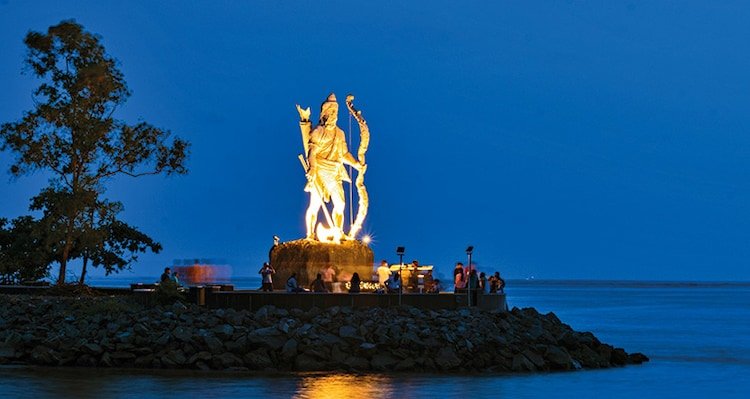
Across Goa, visitors can still find temples, statues, and cultural celebrations honoring Lord Parashuram’s role as the mythical creator of Gomantak.
Goa’s Temple Architecture: A Blend of Cultures
Unlike many temples elsewhere in India, Goan temples possess a distinctive architectural style shaped by local geography and historical influences.
- Elegant white exteriors inspired by regional aesthetics.
- Multi-storeyed Deepastambhas (lamp towers).
- Large temple tanks used for rituals.
- Domes and arches reflecting Indo-Portuguese craftsmanship.
- Traditional wooden interiors and carved sanctums.
- Beautiful courtyards designed for community festivals.
This fusion makes Goa’s temples architecturally unique while preserving traditional Hindu symbolism.
1. Shri Mangeshi Temple – Goa’s Most Revered Shiva Temple
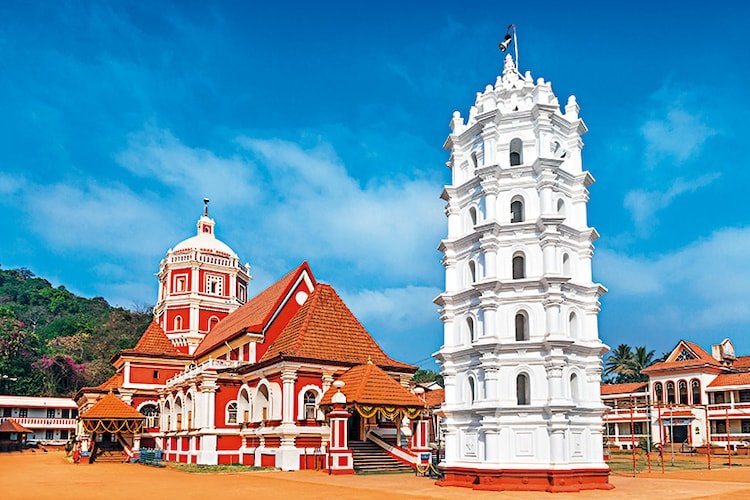
The Shri Mangeshi Temple is among Goa’s most famous pilgrimage destinations. Dedicated to Lord Manguesh, a revered form of Lord Shiva, the temple traces its origins to Kushasthali before being relocated to its present location during the Portuguese era.
Its iconic seven-storey Deepastambha, peaceful water tank, and graceful white structure make it one of Goa’s most photographed religious landmarks. The temple complex combines traditional Hindu architecture with subtle European influences developed over centuries.
Highlights
- Dedicated to Lord Shiva (Manguesh).
- Historic Deepastambha illuminated during festivals.
- Sacred temple tank.
- Peaceful surroundings in Ponda.
Location: Mangeshi Village, Ponda, Goa
Best Time to Visit: During the Magh Purnima Jatra, usually celebrated in February.
2. Shree Shantadurga Temple – The Goddess of Peace
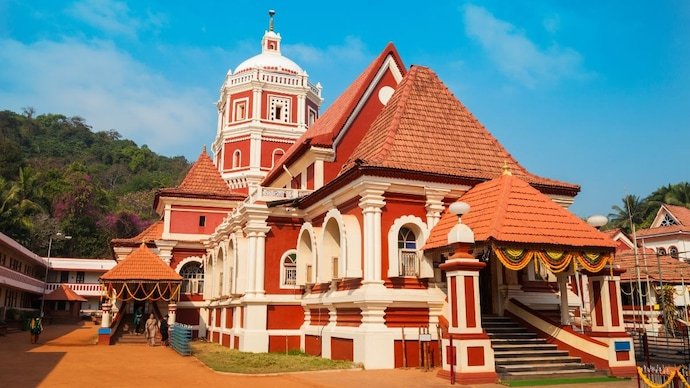
Located in Kavlem, the Shree Shantadurga Temple honors Goddess Shantadurga, believed in Hindu tradition to have mediated a dispute between Lord Shiva and Lord Vishnu. This symbolic role has made her a powerful representation of peace, harmony, and balance.
The temple showcases beautiful Saraswat architecture combined with Portuguese-inspired features such as elegant arches and stained-glass windows, creating one of Goa’s most distinctive religious monuments.
Highlights
- Dedicated to Goddess Shantadurga.
- Unique Indo-Portuguese architectural design.
- Large temple courtyard and ceremonial halls.
- One of Goa’s most important annual festivals.
Location: Kavlem, Ponda, Goa
3. Mahadev Temple, Tambdi Surla – Goa’s Oldest Surviving Temple
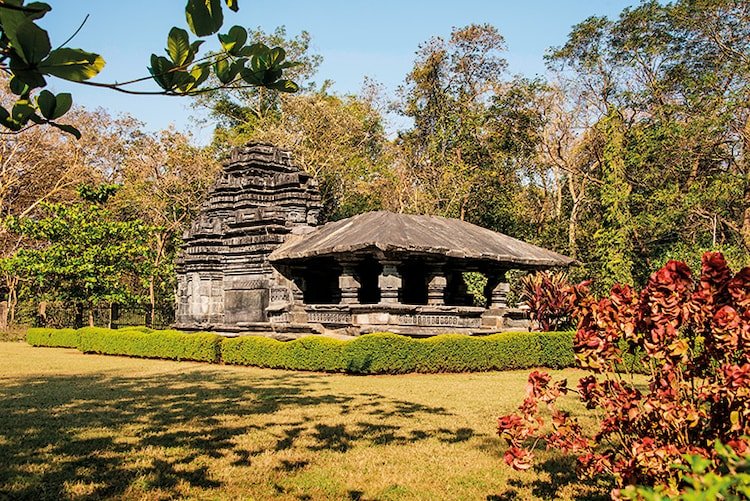
Hidden within the lush forests near Bhagwan Mahavir Wildlife Sanctuary, the Mahadev Temple at Tambdi Surla is considered Goa’s oldest surviving Hindu temple.
Built during the 12th century under the Kadamba dynasty, the temple is carved from black basalt stone and remains an outstanding example of Kadamba-Yadava architecture. Unlike many other ancient temples, it survived centuries of political change due to its remote forest location.
The Archaeological Survey of India (ASI) protects the monument because of its exceptional historical and architectural importance.
Highlights
- Over 800 years old.
- Protected by the Archaeological Survey of India.
- Situated amidst dense forests.
- Excellent destination for heritage and nature lovers.
Location: Tambdi Surla, South Goa
4. Shri Saptakoteshwar Temple – Legacy of the Kadamba Kings
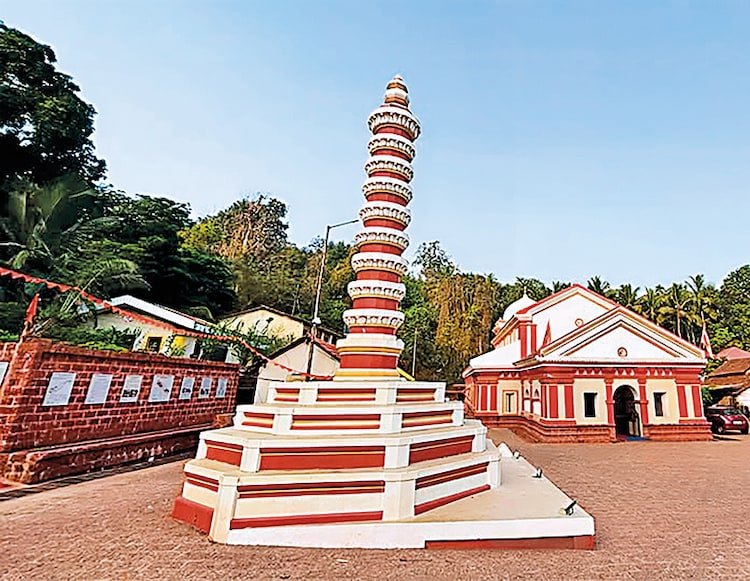
Dedicated to Lord Shiva, Shri Saptakoteshwar Temple served as the royal temple of the Kadamba dynasty, one of Goa’s earliest ruling kingdoms.
The temple has deep historical significance, with local traditions linking it to ancient Hindu legends involving Lord Krishna. Its peaceful riverside setting and cultural importance continue to attract pilgrims throughout the year.
Location: Narve, North Goa
5. Lairai Temple – A Celebration of Faith and Community
The Lairai Temple in Shirgao is dedicated to Goddess Lairai, regarded as an incarnation of Goddess Parvati. Beyond its religious importance, the temple represents Goa’s long tradition of communal harmony, where local Hindu and Catholic communities share cultural connections rooted in folklore.
The temple is especially famous for the annual Lairai Jatra, during which devotees participate in one of India’s most remarkable fire-walking rituals.
This centuries-old tradition attracts thousands of pilgrims and visitors from across the country.
Location: Shirgao, North Goa
Comparison of Goa’s Most Famous Temples
| Temple | Main Deity | Historic Importance | Famous Festival |
|---|---|---|---|
| Shri Mangeshi Temple | Lord Shiva | One of Goa’s oldest temples | Magh Purnima Jatra |
| Shantadurga Temple | Goddess Shantadurga | Symbol of peace and harmony | Shantadurga Jatra |
| Mahadev Temple | Lord Shiva | 12th-century ASI monument | Mahashivratri |
| Saptakoteshwar Temple | Lord Shiva | Kadamba royal temple | Janmashtami |
| Lairai Temple | Goddess Lairai | Famous fire-walking festival | Lairai Jatra |
Must-Visit Spiritual Attractions in Goa
77-Foot Statue of Lord Ram
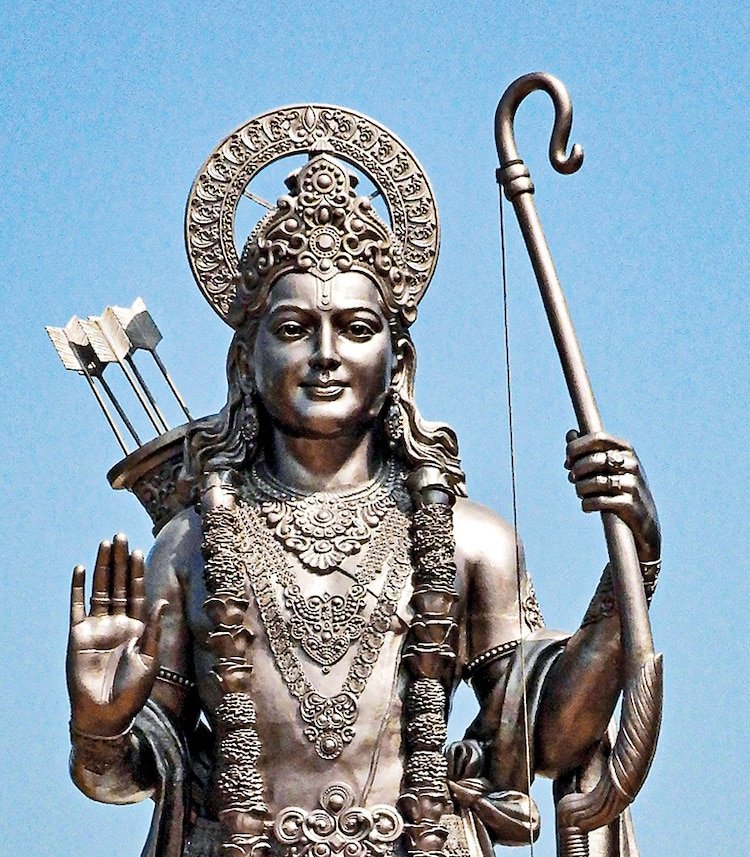
One of Goa’s newest religious landmarks is the magnificent 77-foot bronze statue of Lord Ram located at the Shree Samsthan Gokarn Partagali Jeevottam Math in South Goa. Installed to commemorate the Math’s 550th anniversary, it has become a major pilgrimage and photography destination.
Parashuram Statue at Campal
The towering statue of Lord Parashuram near the Mandovi River celebrates the legendary creator of Goa. Visitors interested in mythology often include this landmark in their cultural itinerary.
Parashuram Temple
The ancient Parashuram Temple at Poinguinim provides another opportunity to explore the mythology surrounding Goa’s spiritual origins.
Kaavi Art: Goa’s Ancient Storytelling Tradition
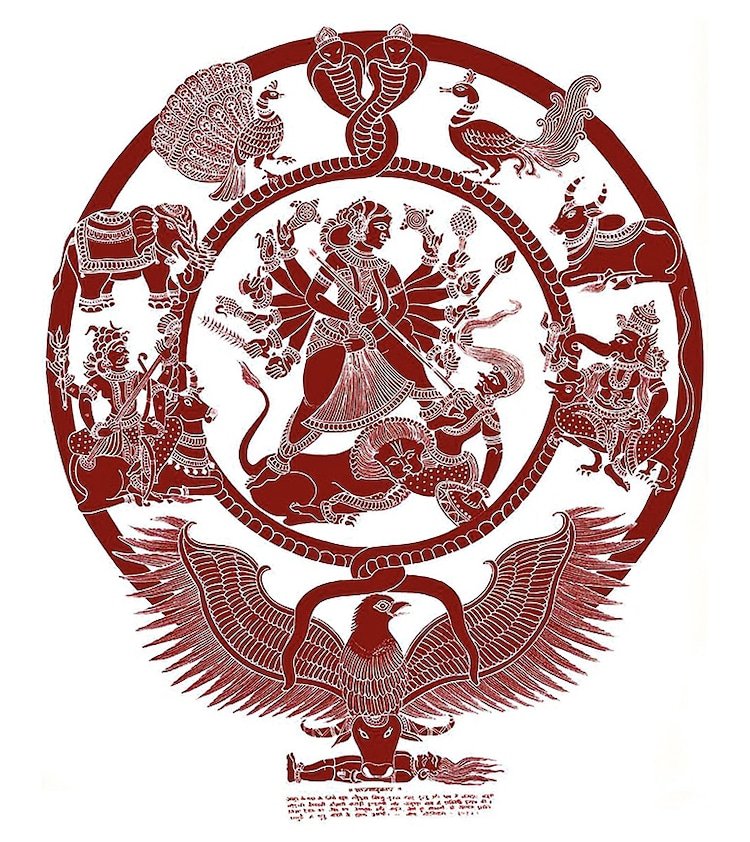
Many visitors overlook one of Goa’s oldest artistic traditions Kaavi Art. This indigenous mural technique uses red laterite and lime plaster to create intricate designs depicting scenes from the Ramayana, Mahabharata, and various Puranas.
Kaavi artwork decorates temples, heritage homes, and even churches across the Konkan region, demonstrating the remarkable cultural fusion that defines Goa.
Best Time to Visit Goa’s Temples
Although temples remain open throughout the year, the ideal time to explore them is between October and March, when the weather is cooler and more comfortable for sightseeing.
Visitors seeking a deeper cultural experience should plan their trip around major temple festivals such as:
- Magh Purnima Jatra
- Mahashivratri
- Shantadurga Jatra
- Lairai Jatra
- Janmashtami celebrations
These festivals feature traditional music, devotional processions, temple rituals, cultural performances, and community feasts that offer an authentic glimpse into Goa’s living heritage.
Travel Tips for Visiting Goa’s Temples
- Dress modestly while entering temple premises.
- Remove footwear before entering sanctums.
- Photography may be restricted inside certain temples.
- Visit early morning or evening to avoid crowds.
- Respect local customs and ongoing religious ceremonies.
- Combine temple visits with nearby heritage villages and wildlife attractions.
Why Goa’s Spiritual Tourism Is Growing
While beach tourism remains Goa’s biggest attraction, an increasing number of travelers are seeking meaningful cultural experiences. Heritage walks, temple trails, eco-tourism, Wellness retreats, and spiritual pilgrimages are becoming important parts of the state’s tourism strategy.
The Ekadasha Teertha initiative reflects this shift by encouraging visitors to discover Goa beyond its coastline. Exploring temples allows travelers to understand the state’s mythology, architecture, traditions, and resilient communities that have preserved these sacred spaces for centuries.
Conclusion
Goa’s temples reveal a side of the state that many first-time visitors never experience. From the forest sanctuary of Tambdi Surla to the majestic Mangeshi Temple and the vibrant Lairai Jatra, each shrine tells a story of faith, resilience, and cultural continuity. Their unique blend of mythology, history, architecture, and living traditions makes them far more than places of worship they are guardians of Goa’s identity.
Whether you are a pilgrim, history enthusiast, photographer, or curious traveler, following Goa’s temple trail offers an enriching journey that complements the state’s famous beaches. Together, these sacred landmarks showcase why Goa is not only a paradise for leisure but also one of India’s most fascinating destinations for heritage and spiritual tourism.
For breaking news and live news updates, like us on Facebook or follow us on Twitter and Instagram. Read more on Latest India on thefoxdaily.com.

COMMENTS 0