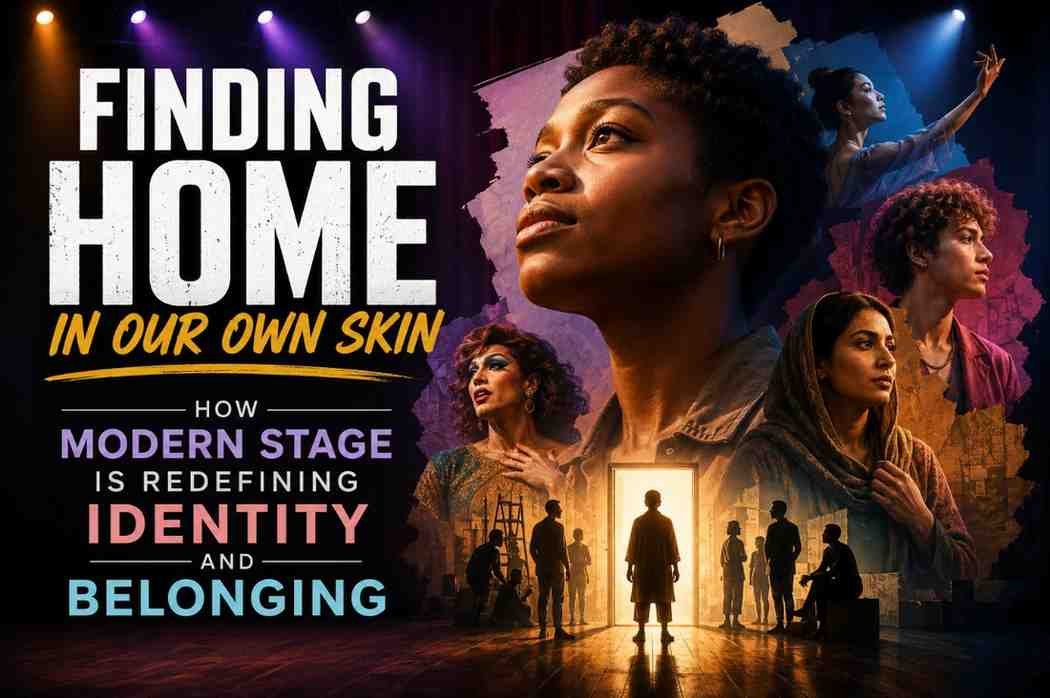
Primary Keyword: Theatre finding home in our own skin
LSI Keywords: identity in theatre, self-acceptance storytelling, modern theatre trends 2026, body positivity stage, cultural identity plays, mental health theatre, inclusive performing arts, theatre and belonging
Introduction: When the Stage Becomes a Safe Space
In an era where identity, mental health, and belonging are at the center of global conversations, theatre is quietly leading a powerful cultural shift. The phrase “finding home in our own skin” is no longer just poetic it has become a lived experience through modern stage performances.
Who is driving this movement? A new generation of playwrights, actors, and directors.
What is changing? Theatre is moving from entertainment to emotional and social exploration.
When is this happening? Especially post-2020, accelerating into 2026.
Where is it visible? Across global theatre circuits—from India to Broadway and beyond.
Why does it matter? Because audiences are seeking stories that reflect their real struggles.
How is theatre achieving this? Through raw, personal, and inclusive storytelling.
This is not just a trend it’s a transformation in how stories are told and experienced.
The Evolution of Theatre: From Spectacle to Self Discovery
Traditionally, theatre focused on grand narratives, mythology, or historical storytelling. While those elements still exist, the modern stage is shifting toward intimate, human-centered narratives.
Today’s performances explore:
- Body image and self-acceptance
- Gender identity and expression
- Cultural roots and displacement
- Mental health and emotional resilience
Insight: Theatre is no longer just about watching a story it’s about recognizing yourself in it.
Why “Finding Home in Our Own Skin” Resonates Today
1. Rising Conversations Around Identity
Audiences today are more aware and vocal about identity issues. Theatre provides a platform where these conversations unfold naturally.
2. Social Media vs Reality
In a world dominated by curated online identities, theatre offers something rare authenticity.
3. Mental Health Awareness
Plays addressing anxiety, trauma, and self-worth are helping normalize conversations around mental well-being.
4. Inclusivity and Representation
Diverse casting and storytelling ensure that more people see themselves represented on stage.
Key Elements That Define This New Theatre Movement
1. Personal Storytelling
Many modern plays are inspired by real-life experiences, making them deeply relatable.
2. Minimalist Staging
Instead of elaborate sets, the focus is on emotions, dialogue, and performance.
3. Audience Connection
Breaking the “fourth wall” allows audiences to feel directly involved in the narrative.
4. Interdisciplinary Art
Music, movement, and multimedia elements enhance emotional depth.
Comparison: Traditional Theatre vs Modern Identity-Driven Theatre
| Aspect | Traditional Theatre | Modern Theatre |
|---|---|---|
| Focus | Plot-driven stories | Emotion and identity |
| Characters | Archetypes | Real, flawed individuals |
| Audience Role | Passive | Emotionally engaged |
| Theme | External conflict | Internal journeys |
Key takeaway: The shift is from storytelling about others to storytelling about ourselves.
Real-World Impact: Beyond the Stage
1. Empowering Individuals
Audiences often leave these performances feeling seen, understood, and validated.
2. Educational Influence
Theatre is being used in schools and workshops to teach empathy and emotional intelligence.
3. Cultural Dialogue
It sparks conversations around identity, acceptance, and diversity in society.
Unique Insight: Theatre as Emotional Therapy
One of the most overlooked aspects of modern theatre is its therapeutic value.
Unlike films or digital content, theatre is live and immersive. This creates a shared emotional space where both performers and audiences process feelings together.
New Perspective: Theatre is becoming a form of collective healing.
Challenges Facing This Movement
- Limited commercial funding for experimental plays
- Balancing artistic depth with audience accessibility
- Reaching wider audiences beyond urban centers
Reality Check: While impactful, this form of theatre often operates outside mainstream commercial success.
Future of Theatre: Where Is It Headed?
- Hybrid Performances: Combining live theatre with digital platforms
- Global Collaboration: Cross-cultural storytelling
- More Representation: Voices from marginalized communities
Prediction: Theatre will continue evolving into a space where identity and storytelling merge seamlessly.
Conclusion: A Stage That Feels Like Home
“Finding home in our own skin” is more than a theme it’s a movement redefining modern theatre. By focusing on identity, self-acceptance, and belonging, theatre is creating experiences that go beyond entertainment.
It is helping people understand themselves and others in ways that few art forms can.
Final Thought: In a world searching for connection, theatre reminds us that sometimes, the most powerful place to belong is within ourselves.
Future Outlook: As audiences continue to seek authenticity, theatre’s role as a mirror to human identity will only grow stronger.
For breaking news and live news updates, like us on Facebook or follow us on Twitter and Instagram. Read more on Latest Lifestyle on thefoxdaily.com.




COMMENTS 0