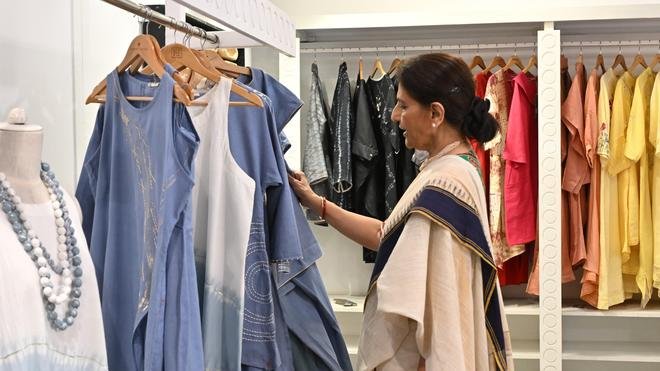
Bengaluru is set to celebrate India’s handmade traditions with the upcoming Naturally Dyed Handmade Festival, a three-day event launching on Gandhi Jayanti. Bringing together khadi, naturally dyed textiles, Handmade Crafts and eco-conscious products from 23 brands, the festival aims to create a space where traditional craftsmanship meets contemporary ideas of sustainable living.
Scheduled around Gandhi Jayanti, the festival also places renewed attention on khadi and handmade production at a time when consumers are increasingly interested in the origins, materials and environmental footprint of the products they buy.
Naturally Dyed Handmade Festival Comes to Bengaluru
The three-day festival will bring together 23 brands working across textiles, crafts and eco-friendly products. Alongside shopping and displays, visitors will be able to participate in workshops focused on traditional crafts.
The combination of products and hands-on activities is significant. Rather than presenting handmade goods simply as finished products, craft workshops can help visitors understand the time, skills and processes involved in producing them.
For an audience accustomed to mass-produced clothing and home products, that experience can offer a different perspective on craftsmanship and consumption.
Why the Festival Is Being Held on Gandhi Jayanti
The decision to launch the festival on Gandhi Jayanti adds a historical dimension to the event.
Mahatma Gandhi’s association with khadi is closely connected to India’s freedom movement and his emphasis on self-reliance, local production and the dignity of labour. Khadi became more than a textile; it developed into a symbol associated with economic independence and indigenous production.
Today, khadi occupies a different place in the consumer landscape. It is used by designers and contemporary brands alongside traditional producers, while interest in natural fibres and handmade textiles has expanded among consumers seeking alternatives to highly industrialised production.
The festival provides an opportunity to connect that historical legacy with present-day conversations around craftsmanship and sustainability.
What Makes Khadi Different?
Khadi is traditionally associated with hand-spun and handwoven fabric. Its appeal comes partly from the visible character created through handmade production.
Small variations in texture can make handmade textiles feel different from uniformly manufactured fabrics. For consumers, those variations can become part of the attraction.
Khadi also carries cultural significance that extends beyond fashion. Its history connects textile production with ideas of self-reliance, local livelihoods and Indian craft traditions.
The modern khadi market, however, is not limited to traditional clothing. Contemporary makers have adapted the material for a range of garments, accessories and lifestyle products.
The Growing Interest in Natural Dyes
Natural dyes are another major focus of the festival.
Unlike conventional synthetic dyes, natural dyes can be derived from plant, mineral and other naturally occurring sources. Traditional dyeing practices have developed in different parts of India over centuries, with communities using locally available materials to create distinctive colours.
Naturally dyed textiles often have subtle variations because colour can be influenced by the source material, preparation method, fabric and dyeing conditions.
For modern consumers, this can make naturally dyed clothing attractive not only because of its aesthetic qualities but also because it connects contemporary products with older craft knowledge.
Why Traditional Dyeing Knowledge Matters
The value of natural dyeing extends beyond the final colour of a garment.
Traditional dyeing techniques represent accumulated knowledge about materials, fibres and processes. When such skills are maintained and passed between generations, they preserve an important part of intangible cultural heritage.
Festivals and workshops can play a role in making these techniques visible to new audiences. A visitor who watches a craft demonstration or participates in a workshop gains a better understanding of the labour behind a handmade product.
That understanding can change how consumers perceive the price and value of handcrafted goods.
Handmade Products in an Age of Mass Production
Mass manufacturing has made clothing, homeware and everyday products more accessible and affordable. At the same time, industrial-scale production can make it difficult for consumers to understand where products come from or who made them.
Handmade products offer a different model. Their production is often more closely associated with individual makers, workshops or craft communities.
This does not automatically make every handmade product environmentally superior, and consumers should still consider factors such as material sourcing, transportation, durability and production practices.
However, buying thoughtfully made products can encourage greater awareness of the relationship between consumption and production.
Workshops Make Craft a Participatory Experience
One of the festival’s notable features is its focus on workshops.
Craft demonstrations can turn visitors from passive shoppers into participants. Learning how a traditional technique works can reveal the amount of concentration, practice and manual skill required to create even a relatively simple object.
Workshops can also help younger audiences discover craft traditions in a more engaging way. Instead of encountering heritage only through books or exhibitions, participants can experience part of the process themselves.
Such experiences can contribute to the preservation of craft knowledge by creating new appreciation among potential consumers and future practitioners.
23 Brands Bring Different Craft Perspectives Together
The participation of 23 brands gives the festival a broad range of products and approaches.
Although the central themes are khadi, natural dyes, handmade crafts and eco-friendly products, individual makers can approach these ideas in very different ways.
Some may focus on traditional textile practices, while others may reinterpret handmade techniques for contemporary lifestyles. This intersection between heritage and modern design is increasingly important to India’s craft economy.
It demonstrates that traditional techniques do not necessarily need to remain frozen in their historical forms. They can evolve while retaining connections to their origins.
Natural Dyes and the Sustainability Conversation
The renewed interest in natural dyes is part of a wider discussion about the environmental impact of fashion and textiles.
Consumers are increasingly asking questions about the materials used in clothing, how garments are produced, how long they last and what happens when they are discarded.
Natural dyes can be part of this conversation, but sustainability is more complex than simply choosing a natural ingredient. Water consumption, cultivation of dye materials, mordants, processing, transportation and waste management can all influence the environmental footprint of textile production.
This is why informed consumption matters. A product’s sustainability should ideally be assessed across its entire lifecycle rather than based on one material or production technique.
Why Handmade Festivals Matter to Urban Audiences
Large cities can sometimes feel disconnected from the origins of everyday products. A shopper may purchase a shirt, bag or home accessory without ever seeing how it was produced.
Craft festivals create a physical connection between makers, products and consumers.
In a city such as Bengaluru, where contemporary technology and creative industries coexist with traditional cultural practices, such events can create an interesting meeting point between old and new.
The festival’s emphasis on handmade products also gives consumers an opportunity to meet brands directly and learn about their materials and processes.
From Conscious Buying to Longer-Lasting Consumption
The sustainable value of handmade products can extend beyond the production stage.
Consumers can reduce waste by choosing products they intend to keep and use for longer rather than treating clothing and household goods as disposable purchases.
Durability, repairability and timeless design can be as important as the material used to make a product.
Khadi and other handmade textiles can fit naturally into this slower approach to consumption when they are purchased thoughtfully and maintained properly.
Gandhi’s Khadi Legacy Meets Modern Sustainable Design
The festival’s Gandhi Jayanti launch creates an opportunity to reconsider what khadi means in the 21st century.
Historically, khadi was closely linked with self-reliance and India’s independence movement. Today, designers and consumers may approach it through different concerns, including craft preservation, local production, material choices and conscious consumption.
The underlying ideas are not identical, but there is a common thread: recognising the value of making things rather than treating production as something invisible.
That makes the festival relevant beyond its three-day schedule. It connects a historic textile tradition with contemporary questions about how cities consume fashion and lifestyle products.
What Visitors Can Expect
Visitors to the Naturally Dyed Handmade Festival can expect a combination of shopping, craft discovery and learning.
- Khadi textiles: Products showcasing the versatility of one of India’s best-known traditional fabrics.
- Naturally dyed products: Textiles featuring colours produced through natural dyeing practices.
- Handmade crafts: Products highlighting the skill and individuality of craft-based production.
- Eco-friendly products: Lifestyle goods positioned around more conscious consumption.
- Craft workshops: Opportunities to engage directly with traditional techniques and making processes.
- Independent brands: A chance to discover products from 23 participating brands in one setting.
A Festival That Connects Heritage and Contemporary Living
The Naturally Dyed Handmade Festival arrives at an interesting moment for India’s craft and design landscape. Traditional techniques are finding new audiences through contemporary fashion, home decor and lifestyle products.
At the same time, consumers are increasingly interested in knowing the story behind what they buy.
By bringing makers, products and workshops together, the Bengaluru festival can provide more than a marketplace. It can encourage visitors to think about the people, skills, materials and time involved in creating everyday objects.
Conclusion
Bengaluru’s Naturally Dyed Handmade Festival offers a celebration of khadi, natural dyes and handmade craftsmanship while connecting those traditions with contemporary conversations about sustainable living.
Launching on Gandhi Jayanti, the three-day event brings together 23 brands and a programme of traditional craft workshops. Its significance lies not only in the products on display but also in the opportunity to make craftsmanship visible to an urban audience.
For visitors, the festival can be a chance to discover distinctive textiles and handmade products. More importantly, it can encourage a slower and more informed approach to consumption—one that considers how products are made, who makes them and how long they are likely to remain useful.
In that sense, the festival’s celebration of khadi and natural dyes is both a look back at India’s craft heritage and a conversation about the future of responsible design.
SEO Details
Primary Keyword: Naturally Dyed Handmade Festival Bengaluru
Meta Title: Bengaluru Naturally Dyed Handmade Festival Celebrates Khadi & Crafts
Meta Description: Bengaluru’s Naturally Dyed Handmade Festival celebrates khadi, natural dyes and handmade crafts with 23 brands and traditional craft workshops on Gandhi Jayanti.
Related Keywords: Bengaluru handmade festival, Naturally Dyed Handmade Festival, khadi festival Bengaluru, natural dyes India, handmade crafts Bengaluru, sustainable textiles, eco-friendly products, Gandhi Jayanti festival, Indian handicrafts, sustainable fashion
For breaking news and live news updates, like us on Facebook or follow us on Twitter and Instagram. Read more on Latest Lifestyle on thefoxdaily.com.

COMMENTS 0