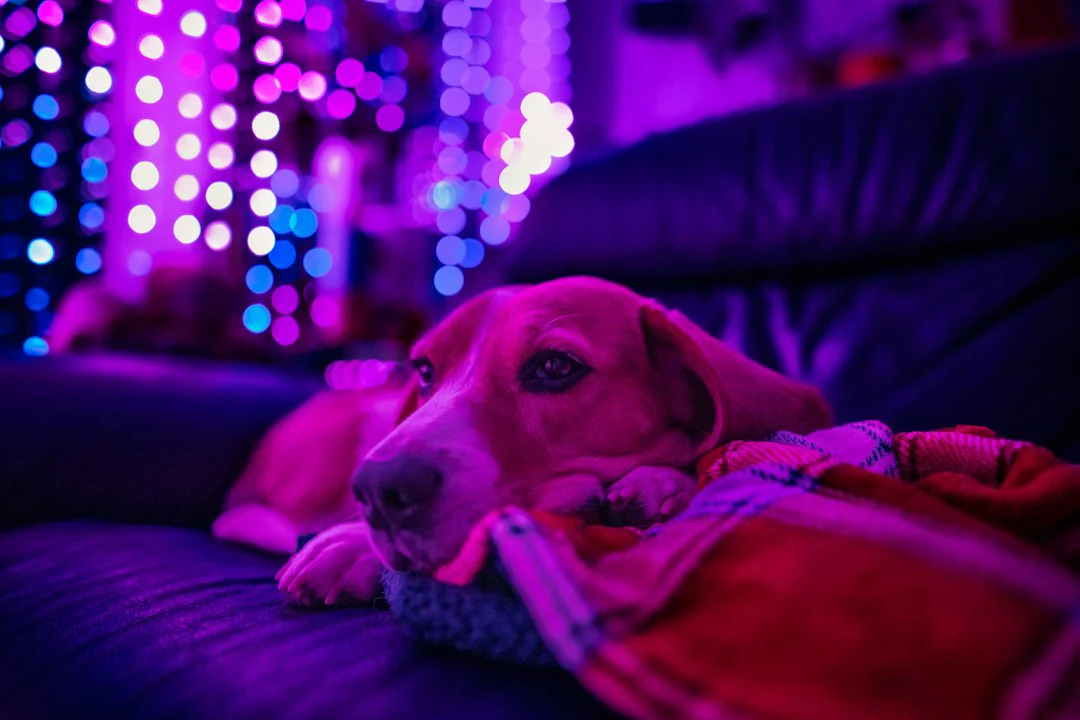
Diwali brings homes alive with glowing diyas, colourful rangoli, festive delicacies and fireworks. While families look forward to the celebrations, the festival can present several challenges for dogs and cats, whose sensitive hearing, curious behaviour and dependence on familiar surroundings can make the festivities stressful or even dangerous.
Every year, the combination of loud firecrackers, open doors, unattended food, decorative materials and increased activity creates avoidable risks for pets. Animals may develop noise-related anxiety, run away in panic, suffer burns from lamps, ingest toxic ingredients or experience skin irritation after contact with festive colours. Pets with existing skin or ear conditions may also become more uncomfortable during this period.
For pet parents, keeping animals safe during Diwali requires more than simply bringing them indoors. Preparing a quiet space, supervising food and decorations, adjusting walking schedules and recognising early signs of distress can make a meaningful difference.
Dr Diu Somani, a veterinary dermatologist and founder of The SkinVet, highlights that many festival-related veterinary emergencies are preventable. She also points to a broader challenge: while pet owners may understand their animals’ needs, visiting guests and neighbours do not always recognise the risks their actions can create.
Here is a practical guide to Diwali pet safety, including ways to manage firework anxiety, prevent food-related emergencies, protect sensitive skin and help community animals during the celebrations.
Why Diwali Can Be Stressful for Dogs and Cats
Pets experience their surroundings differently from humans. Sudden sounds, unfamiliar smells, bright flashes and changes in household routines can overwhelm animals that rely on predictable environments to feel secure.
Firecrackers are a particular concern because their loud, unpredictable bursts can trigger fear responses. Unlike a familiar household sound, a firework may arrive without warning, leaving an animal little opportunity to adjust.
Dogs and cats may respond by hiding, pacing, trembling, panting, vocalising or attempting to escape. Some may become unusually clingy, refuse food or seek shelter in confined spaces. Others may remain quiet, making their distress less obvious to their owners.
These behaviours should not automatically be dismissed as disobedience or attention-seeking. They can indicate that an animal is frightened and needs a safer, calmer environment.
Escape attempts are especially dangerous during Diwali. A frightened dog may bolt through an open gate or pull away from its handler, while a cat may disappear through a window or door that would normally remain closed.
Understanding these risks helps pet parents prepare before celebrations begin rather than trying to manage a frightened animal after the noise has already started.
Prepare a Quiet, Secure Space Before Fireworks Begin
One of the most useful Diwali safety measures is to create a designated indoor retreat for pets. The space should be familiar, comfortable and away from the main areas where guests gather or crackers can be heard most clearly.
Dr Somani recommends preparing a quiet interior room with curtains drawn, familiar bedding and low-level background sound to help reduce the impact of fireworks.
Pet parents can make this space more reassuring by including:
- Familiar bedding: Use the pet’s usual blanket, bed or cushion rather than introducing unfamiliar items during an already stressful period.
- Fresh drinking water: Keep water accessible so the animal does not need to cross busy rooms to reach it.
- Safe hiding places: Allow cats and dogs to retreat to a comfortable hiding spot if they choose to do so.
- Reduced noise and light: Close windows and draw curtains where practical to soften external sounds and flashes.
- Familiar toys: Offer safe toys or other familiar objects if the pet finds them comforting.
Do not force a frightened animal to leave its hiding place or interact with guests. Giving a pet the freedom to retreat can help it cope with an unfamiliar environment.
Household members should also agree on basic precautions. Keep exterior doors and gates closed, ask guests to avoid disturbing resting animals and ensure children understand that pets need space when they appear frightened.
Walk Dogs Early and Prevent Festival-Related Escapes
Walking schedules deserve particular attention during Diwali. A routine evening walk can become risky when firecrackers begin unexpectedly, especially in neighbourhoods where celebrations take place on roads, footpaths and residential lanes.
Dr Somani advises walking dogs early in the evening and keeping them on a leash. Adjusting the schedule reduces the likelihood of encountering the loudest part of the celebrations while outdoors.
Even dogs that normally walk calmly may panic when confronted with a sudden explosion. A secure leash and well-fitted harness can help maintain control, although they cannot eliminate every risk.
Pet parents should also check identification arrangements before the festival. Every dog or cat that may escape should have a collar or identification tag carrying a current contact number. Microchipping offers another way to help identify a lost animal, provided the associated registration and contact information are kept up to date.
Before Diwali evening begins, check that windows, balconies, gates and other potential escape routes are secure. Cats that usually spend time outdoors should be brought inside before fireworks start whenever possible.
Important: Never give a pet human sedatives, sleeping pills or anti-anxiety medication without veterinary direction. Some medicines can be dangerous for animals, and the appropriate response depends on the individual pet’s health, symptoms and circumstances.
Diwali Sweets and Snacks: Foods That Can Harm Pets
Festive food is another major source of preventable emergencies. Mithai boxes, dry-fruit assortments, fried snacks and leftovers are often left within easy reach while households entertain visitors.
Dogs may investigate food placed on low tables, while cats can jump onto counters or explore unattended plates. A small amount of a dangerous ingredient can be more concerning than the size of the portion suggests.
Several ingredients commonly found in festive foods deserve special attention.
Chocolate
Chocolate contains theobromine and caffeine, substances that can be toxic to dogs and cats. The risk depends on factors including the type and quantity of chocolate consumed and the animal’s size. Darker chocolate generally presents a greater concern than less concentrated varieties.
Keep chocolate-based desserts, sweets and gift boxes securely stored rather than assuming an animal will ignore them.
Grapes and Raisins
Grapes and raisins can cause acute kidney injury in dogs, and the amount that may trigger toxicity is unpredictable. They should not be offered as treats or left where pets can eat them accidentally. Cats should also be kept away from these foods because their safety has not been established.
Xylitol in Sugar-Free Products
Xylitol is a sugar substitute used in some sugar-free products. In dogs, ingestion can cause a dangerous drop in blood glucose and may lead to liver injury. Some sugar-free sweets and packaged products may contain it, so labels deserve careful attention.
Onion and Garlic
Onion and garlic can damage red blood cells and contribute to anaemia in animals. Cats are particularly susceptible, although dogs can also be affected. These ingredients may appear in savoury snacks, cooked foods, gravies and leftovers.
Rich Sweets and Fried Snacks
Even when a food does not contain a recognised toxin, rich and fatty preparations can upset an animal’s digestive system. Ghee-heavy sweets, oily snacks and sudden changes in diet may cause vomiting or diarrhoea and can contribute to pancreatitis in susceptible animals.
To reduce food-related risks, keep sweet boxes closed, clear plates promptly and ask guests not to feed pets from the table. Children should also be told that sharing festive treats is not necessarily a kind gesture when the food is unsuitable for animals.
If a pet eats a potentially toxic ingredient, contact a veterinarian promptly. Do not wait for symptoms to appear or attempt to induce vomiting unless a veterinary professional specifically instructs you to do so. Keep the packaging or ingredient list available, as it may help the veterinarian assess the exposure.
Rangoli Colours and Decorations Can Irritate Sensitive Paws
Rangoli is a familiar part of Diwali celebrations, but decorative powders and coloured materials can create problems for curious animals. Some commercially available colours contain synthetic dyes or chemical additives that may irritate the skin.
The paws are particularly vulnerable because animals walk directly across the decorated surface. The skin between the toes, paw pads and underside of the body may come into contact with the material. Cats and dogs may then ingest some of it while grooming themselves.
Contact with an irritating substance can cause redness, itching, discomfort or inflammation. The severity depends on the material involved, the extent of exposure and the animal’s individual sensitivity.
Pet parents can make rangoli safer by following a few straightforward precautions:
- Place rangoli away from the routes pets regularly use to move around the house.
- Choose products with clearly identified ingredients and avoid assuming that a brightly coloured powder is safe because it is marketed for decoration.
- Consider pet-safe alternatives, while remembering that natural ingredients are not automatically harmless.
- Prevent animals from licking or eating decorative powders.
- Wipe exposed paws gently with a damp cloth after accidental contact, provided there is no indication of a serious chemical exposure.
If a pet develops marked redness, persistent licking, swelling or other unusual symptoms after contact with rangoli, seek veterinary advice. Suspected ingestion of an unknown or potentially toxic product also warrants prompt professional guidance.
How Diwali Stress Can Affect Your Pet’s Skin
Skin problems are not always caused by direct contact with a chemical or a new food. Stress can also influence behaviours such as scratching, licking and chewing, potentially aggravating existing skin conditions.
Dr Somani explains that veterinary dermatology clinics may see an increase in animals with excessive scratching and licking around the festive period. In some cases, repeated self-trauma can contribute to hot spots, lick lesions and secondary infections.
Dogs with atopic dermatitis or other recurring skin conditions may be particularly vulnerable to flare-ups when several triggers occur together. Changes in routine, environmental allergens and increased anxiety can make existing symptoms harder to manage.
It is useful to distinguish between a temporary behavioural response and a developing medical problem. An animal that briefly seeks reassurance during fireworks may simply need a quieter environment. Persistent scratching, hair loss, open sores, recurring ear inflammation or inflamed paws require closer attention.
Repeated licking can damage the skin barrier, leaving irritated areas more vulnerable to further injury and infection. What begins as mild itching may become a more complicated problem if the underlying cause remains untreated.
Why Human Shampoos Are Not a Suitable Substitute
When pets start itching, owners may be tempted to use a familiar human shampoo or try several home remedies. However, products designed for people are not necessarily appropriate for an animal’s skin, and repeated unsuitable washing may compromise the skin barrier.
Use a veterinary-recommended shampoo or treatment suited to the pet’s condition. Avoid applying household creams, antiseptics or essential oils unless a veterinarian confirms that the specific product is safe.
Persistent itching or redness should not be managed indefinitely through repeated changes in grooming products. A veterinary examination can help distinguish among possible causes, including allergies, parasites, infections and irritant exposure.
Protect Pets From Diyas, Candles and Electrical Decorations
Fireworks are not the only physical hazard during Diwali. Traditional oil lamps, candles, decorative lights and electrical cables can also create risks for animals moving through the home.
A curious dog may knock over a diya with its tail, while a cat may reach toward a flickering flame. Hot oil, direct contact with fire and heated surfaces can cause burns. Spilled oil may also make floors slippery or encourage an animal to investigate the scent.
Place lit diyas and candles on stable surfaces where pets cannot reach them or knock them over. Avoid positioning open flames along narrow passageways, near bedding or beside curtains. Never leave a pet unattended in a room containing an accessible flame.
Secure electrical cables and keep decorative lights out of reach of animals that chew or paw at unfamiliar objects. Decorations should not block the pet’s access to water, resting areas or safe exits within the home.
If a burn occurs, prevent further contact with the heat source and seek veterinary guidance promptly. Serious burns, eye injuries or injuries involving hot oil need professional assessment rather than home treatment alone.
Air Pollution After Diwali: Watch for Respiratory and Eye Irritation
Fireworks can add smoke and particulate pollution to the air. Pets that spend time outdoors may be exposed to these pollutants, while animals with existing respiratory sensitivities may be more vulnerable to irritation.
Dr Somani also highlights the possible burden of post-Diwali air-quality deterioration on sensitive skin and eyes. This is relevant for animals already dealing with allergies or recurring irritation, although the cause of any individual flare-up needs to be assessed rather than assumed.
During periods of heavy smoke, keep pets indoors where practical and limit outdoor activity to necessary, shorter trips. Avoid exercising dogs near active firecracker use or in visibly smoky areas.
Watch for unusual coughing, persistent sneezing, eye watering, breathing difficulty or a sudden change in activity. Breathing difficulty warrants urgent veterinary attention. Owners should not assume that every symptom following Diwali is simply the result of stress or seasonal allergies.
Community Dogs and Cats Need Protection Too
Diwali safety should extend beyond household pets. Free-roaming dogs and cats may have nowhere quiet to hide when fireworks begin. They can be exposed to sudden noise, smoke, discarded materials and the risk of road accidents when frightened.
Simple precautions can make shared neighbourhood spaces safer for community animals.
- Avoid bursting crackers close to dogs, cats or other animals sheltering outdoors.
- Check underneath parked vehicles and around the wheels before starting an engine, as frightened animals may hide there.
- Where practical, provide fresh drinking water and a sheltered, undisturbed corner in a safe area.
- Keep food waste and potentially dangerous festive leftovers out of reach.
- Encourage neighbours and children to observe animals from a respectful distance rather than chasing them or attempting to force contact.
Do not assume that an animal hiding or moving away wants to be handled. A frightened animal may react defensively if approached, particularly when surrounded by unfamiliar people or loud noises.
If a community animal appears injured, burned or seriously unwell, contact a local veterinarian or animal welfare organisation for assistance. Avoid handling an injured animal without appropriate precautions, since pain and fear can cause even normally calm animals to bite or scratch.
When Should You Contact a Veterinarian?
Knowing when to seek professional help is as important as preventing exposure. Some problems may initially appear minor but can become serious depending on the substance involved or the animal’s underlying health.
Seek prompt veterinary advice if your pet has:
- Consumed chocolate, raisins, grapes, xylitol or another potentially toxic ingredient.
- Developed repeated vomiting, significant diarrhoea or unusual weakness after eating festive food.
- Suffered a burn, eye injury or suspected chemical exposure.
- Developed persistent itching, inflamed skin, open sores or recurring ear irritation.
- Experienced severe panic, repeated escape attempts or distress that cannot be managed safely at home.
Difficulty breathing, collapse, seizures or severe weakness require emergency veterinary attention. When contacting a clinic, explain what happened, when it occurred, the substance involved if known and any symptoms observed.
For pets that become intensely frightened by fireworks every year, speak with a veterinarian before Diwali. A professional can help develop a plan based on the animal’s history and needs, including whether behaviour-based strategies or prescribed medication may be appropriate.
A Practical Diwali Pet Safety Checklist
Preparation is easier when the most important tasks are completed before guests arrive and fireworks begin. Pet parents can use the following checklist to organise their plans.
- Before the celebrations: Arrange an indoor retreat, check identification details, secure gates and windows, and schedule dog walks earlier than usual.
- During food preparation: Store sweets and snacks securely, check ingredient labels and remind guests not to feed pets without permission.
- While decorating: Keep rangoli powders, diyas, candles, electrical cables and small decorative items away from animals.
- During fireworks: Keep pets indoors, close doors and windows, provide access to familiar bedding and allow them to hide if they wish.
- After exposure: Check paws and skin for irritation, monitor unusual behaviour and seek veterinary advice when symptoms or possible toxic ingestion warrant it.
- For community animals: Avoid setting off crackers nearby, check beneath vehicles and offer safe shelter where feasible.
Making Diwali Safer for Every Animal
A comfortable Diwali for pets does not require families to abandon their traditions. It requires recognising that the same sights, sounds and activities that make the festival enjoyable for people can be frightening or hazardous for animals.
Keeping dogs and cats away from firecrackers, securing food, protecting their paws from decorative colours and providing a quiet indoor space can prevent many avoidable problems. Paying attention to changes in behaviour or skin condition also helps owners recognise when reassurance is no longer enough and professional care is needed.
As Dr Diu Somani’s advice suggests, responsible celebrations depend on awareness as much as preparation. Pet parents, guests and neighbours all have a role to play in reducing unnecessary distress and preventing injuries.
The most useful approach is to plan ahead, avoid unverified home remedies and seek veterinary guidance when an animal shows signs of illness or injury. With these precautions, families can celebrate the festival of lights while giving their furry companions the security and care they need.
For breaking news and live news updates, like us on Facebook or follow us on Twitter and Instagram. Read more on Latest Lifestyle on thefoxdaily.com.


COMMENTS 0